
Last updated on August 25th, 2026 at 02:30 pm
In the 1996 Chevrolet Astro, the Powertrain Control Module (PCM) and Engine Control Module (ECM) serve as the vehicle’s central computers that manage engine timing, fuel delivery, emissions, and transmission control. A failure in either unit can disrupt engine start, cause stalling, generate error codes, and impair overall drivability, often requiring removal and replacement of the affected module.
When a 1996 Chevrolet Astro begins to exhibit starting problems, rough idle, or unexpected shifting, the vehicle’s computer systems are often the first place to investigate. The Powertrain Control Module and Engine Control Module act as the brain for engine and transmission functions, interpreting sensor data and commanding actuators to keep the powertrain running smoothly. Understanding how these modules operate, what symptoms signal a failure, and the steps required for a proper replacement can help you avoid unnecessary diagnostics and ensure a reliable repair. This guide walks you through the role of each module, the labor involved, relevant service bulletins, and practical advice to protect the new unit after installation.
1996 Chevrolet Astro
OEM programmed ECM for your 1996 Chevrolet Astro — plug & play, no dealer visit.
Free shipping · Lifetime warranty
The Powertrain Control Module in the 1996 Chevrolet Astro gathers input from dozens of sensors—such as throttle position, coolant temperature, and crankshaft speed—to calculate the precise fuel injection timing and ignition events needed for efficient operation. It also communicates with the transmission controller to manage shift timing, which is why a malfunction can lead to harsh or delayed gear changes. The Engine Control Module performs a similar function focused on engine management, handling tasks like idle speed control and emissions monitoring. Both computers store diagnostic trouble codes that help pinpoint issues when they arise. Because the Astro relies on these modules to coordinate engine and transmission behavior, any loss of communication or corrupted data may result in no‑start conditions or erratic performance. Replacement units must match the vehicle’s specifications, and proper installation ensures the vehicle’s powertrain continues to meet factory standards. replacement engine computers for the 1996 Chevrolet Astro are designed to integrate seamlessly with existing wiring and sensor arrays, preserving the vehicle’s original control logic.
In the 1996 Chevrolet Astro, the PCM is mounted on the passenger side firewall, while the ECM is located near the engine compartment, attached to the intake manifold. Removing either unit typically involves disconnecting the battery, unplugging the harnesses, and unbolting the mounting brackets. According to the factory labor guide, swapping the Powertrain Control Module takes about one hour, and the same amount of time is allocated for the Engine Control Module replacement. If only a reset of the ECM is needed, the procedure can be completed in roughly three‑tenths of an hour. Care should be taken to protect the connectors from damage and to verify that all bolts are torqued to the manufacturer’s specifications, although specific torque values are not provided in the available data.
| Operation | Configuration | Book Time |
|---|---|---|
| Powertrain Control Module R&R | All configurations | 1.0 hr |
| Engine Control Module R&R | All configurations | 1.0 hr |
| Engine Control Module Reset | All configurations | 0.3 hr |
After installing a new PCM or ECM in the 1996 Chevrolet Astro, the factory service procedure calls for a reprogramming step to align the module’s software with the vehicle’s VIN and calibration data. This process typically involves connecting a diagnostic tool and loading the appropriate calibration files. Flagship One replacement units arrive already VIN‑programmed, so the required reprogramming is completed at the factory, removing the need for on‑site coding. a VIN-programmed replacement unit therefore simplifies the post‑install workflow and reduces the chance of programming errors.
A failing PCM or ECM in a 1996 Chevrolet Astro may manifest as a no‑start condition, rough idle, stalling during acceleration, or unexpected transmission shifts. Drivers often notice the check engine light flashing and may retrieve diagnostic trouble codes such as Powertrain Control Module Communication Error that indicate a loss of communication between the control module and the vehicle’s network. Additional signs include intermittent loss of power, reduced fuel efficiency, and the inability to clear codes with a scan tool. These symptoms arise because the modules are unable to process sensor inputs correctly or to send commands to actuators, leading to degraded performance across the powertrain.
Service Bulletin #99-06-04-053, dated October 26, 1999, provides information on PCM reprogramming for the 1996 Chevrolet Astro. The bulletin outlines the reprogramming procedure and highlights the importance of using the correct calibration files to ensure proper module operation after replacement.
| Bulletin | Subject | What It Addresses |
|---|---|---|
| 99-06-04-053 | Info – PCM Reprogramming – (Oct 26, 1999) | — |
Yes, a refurbished PCM that meets the original specifications can be installed, but it should be verified for proper VIN programming and tested for communication before final installation.
A scan tool capable of accessing the vehicle’s OBD‑II interface and performing ECM resets is needed; many professional tools support this function.
Factory reprogramming is typically covered by the module’s warranty, but it is advisable to confirm coverage details with the parts supplier.
Periodic visual inspections during routine service, especially in humid climates, can help identify corrosion before it leads to communication failures.
After a successful reset, the check engine light should turn off, and the engine should idle smoothly without error codes reappearing.
When the PCM or ECM in your 1996 Chevrolet Astro needs attention, you can choose between a brand‑new factory‑programmed unit or a high‑quality refurbished replacement. Both options restore the vehicle’s control logic, but a refurbished part may offer cost savings while still meeting performance standards. Evaluate your budget, warranty preferences, and the availability of a VIN‑programmed unit to decide the best path forward.
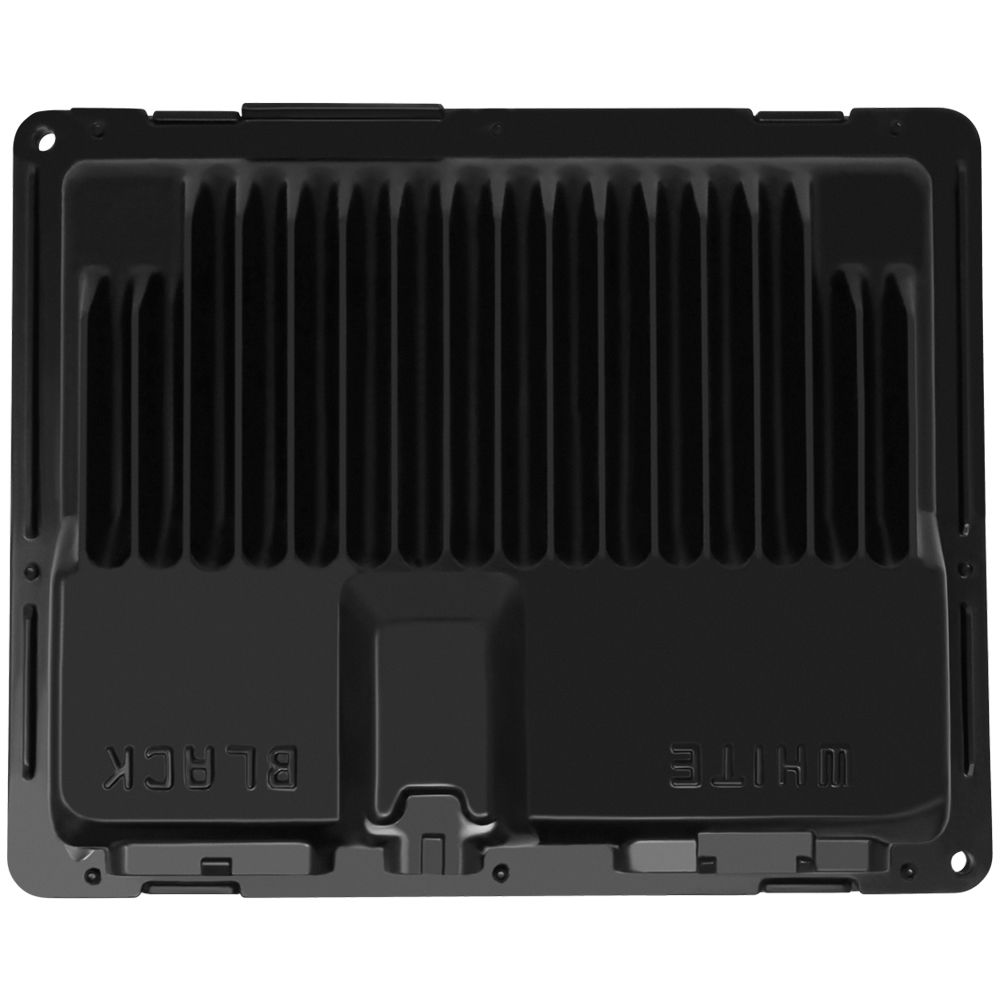
Flagship One stocks a refurbished, VIN-programmed PCM for the 1996 Chevrolet Astro with a lifetime warranty, free shipping and no core charge. The full Chevrolet Astro module lineup covers other engine configurations as well.
The Powertrain Control Module and Engine Control Module are essential for the reliable operation of your 1996 Chevrolet Astro. Whether you opt for a new or refurbished replacement, ensuring proper installation and programming will help keep your vehicle running smoothly. Consider the information provided here when planning your repair.