
Last updated on August 25th, 2026 at 02:30 pm
In the 1995 Chevrolet Corsica with the 3.1L engine, the PCM (powertrain control module) is the primary computer that manages fuel injection, ignition timing, and transmission shift points. It receives sensor inputs and adjusts engine operation accordingly. Failure of this module often causes no-start, stalling, or erratic drivability issues.
If your 1995 Chevrolet Corsica with the 3.1L V6 has become unreliable — stalling at stoplights, refusing to start, or shifting erratically — the engine computer may be the culprit. This vehicle uses a combined PCM (powertrain control module) that oversees both engine and transmission management. Because the Corsica is a pre-OBDII model, it does not generate generic diagnostic trouble codes; instead, it relies on module-specific fault codes that require a compatible scan tool to retrieve. Understanding what this module does, where it lives, and what replacement involves can save you time and frustration. This guide covers the PCM’s role in your 1995 Corsica, common failure symptoms, the physical replacement process using the provided labor times, and how a pre-programmed unit from Flagship One simplifies the job. You will also learn practical steps to protect the module from voltage spikes and corrosion, helping you avoid repeat failures.
1995 Chevrolet Corsica 3.1L
OEM programmed ECM for your 1995 Chevrolet Corsica 3.1L — plug & play, no dealer visit.
Free shipping · Lifetime warranty
The PCM in your 1995 Chevrolet Corsica 3.1L is the central computer that controls engine and transmission operation. It receives signals from sensors such as the coolant temperature sensor, throttle position sensor, oxygen sensor, and crankshaft position sensor. Based on these inputs, the PCM adjusts fuel injector pulse width, ignition timing, idle speed, and transmission shift patterns. When the PCM fails, the engine may not start, run poorly, or enter a default limp-home mode. Because this is a pre-OBDII vehicle, the module does not store generic P-codes; instead, it uses manufacturer-specific codes that require a compatible scan tool to read. replacement PCMs for the 1995 Corsica are available as new or remanufactured units. Choosing a unit that is pre-programmed with your vehicle’s VIN and original calibration data ensures plug-and-play installation without the need for a dealer visit. The PCM is located inside the passenger compartment, typically behind the glove box or under the dashboard on the passenger side.
The PCM in the 1995 Chevrolet Corsica 3.1L is mounted inside the passenger compartment, usually behind the glove box or under the dashboard on the passenger side. To access it, you may need to remove the glove box assembly or a lower trim panel. The module is held in place by a bracket and several bolts or screws. Disconnect the negative battery cable before starting. Unplug the two large wiring harness connectors by releasing the locking tabs. Remove the mounting bolts and lift the PCM out. Installation is the reverse: position the new module, secure the bracket, reconnect the harnesses, and reinstall any trim. The book labor time for PCM R&R is 1.3 hours. After installation, the vehicle requires a PCM relearn procedure that takes an additional 0.5 hours. This relearn allows the module to adapt to the engine’s specific idle and fuel trim parameters.
| Operation | Configuration | Book Time |
|---|---|---|
| Engine Control Module R&R | All configurations | 1.3 hr |
| Powertrain Control Module R&R | All configurations | 1.3 hr |
| Powertrain Control Module Relearn | All configurations | 0.5 hr |
After installing a new or remanufactured PCM in your 1995 Chevrolet Corsica 3.1L, the factory procedure requires a relearn process. This involves starting the engine and letting it idle for a set period, then driving through specific speed ranges to allow the module to learn idle air control and fuel trim values. The book time for this PCM relearn is 0.5 hours. However, when you purchase a VIN-programmed replacement unit from Flagship One, the module arrives with your vehicle’s original calibration data already loaded. This means the PCM is ready to communicate with your Corsica’s sensors and actuators immediately. The factory relearn steps are already completed during programming, so you can install the module, reconnect the battery, start the engine, and drive normally without any additional dealer visit or scan tool procedure.
A failing PCM in a 1995 Chevrolet Corsica 3.1L can produce a range of drivability issues. The engine may crank but not start because the module is not sending fuel injector or ignition signals. You might experience intermittent stalling, especially when coming to a stop or during hot restart. The transmission may shift harshly, slip, or fail to shift at all, since the PCM controls shift solenoids. The check engine light may illuminate, but because this is a pre-OBDII vehicle, the light indicates a module-specific fault rather than a generic code. You may also notice poor fuel economy, hesitation during acceleration, or a surging idle. Another common symptom is a complete loss of communication with a scan tool — the tool cannot connect to the PCM. If you suspect PCM failure, verify that power and ground circuits are intact before condemning the module.
Common signs include no-start, stalling, erratic shifting, poor fuel economy, and a check engine light that stays on. A scan tool that cannot communicate with the PCM is a strong indicator. Always check power and ground circuits first.
Yes, if you are comfortable removing interior trim and disconnecting wiring harnesses. The module is located behind the glove box. The book labor time is 1.3 hours. After installation, a factory relearn procedure is required unless you use a pre-programmed unit.
The factory relearn involves starting the engine and letting it idle for a period, then driving through various speed ranges so the module adapts idle and fuel trim. The book time for this step is 0.5 hours. A VIN-programmed PCM from Flagship One eliminates this step.
No. The PCM is calibrated specifically for the 3.1L engine and transmission combination in the Corsica. Using a module from another model may cause drivability issues or prevent the engine from starting. Always use a unit programmed for your exact vehicle.
Keep the battery and charging system in top condition, clean all ground connections, and ensure the PCM connector seals are intact. Avoid jump-starting with a weak battery and address any sensor faults promptly to prevent electrical stress on the module.
When your 1995 Chevrolet Corsica 3.1L needs a new PCM, you have two main options: have a shop install a blank module and perform the factory relearn, or choose a pre-programmed replacement that arrives ready to install. The latter saves the 0.5-hour relearn time and avoids potential drivability issues during the learning process. Flagship One offers VIN-programmed units specifically for the Corsica 3.1L, ensuring correct calibration and plug-and-play installation.
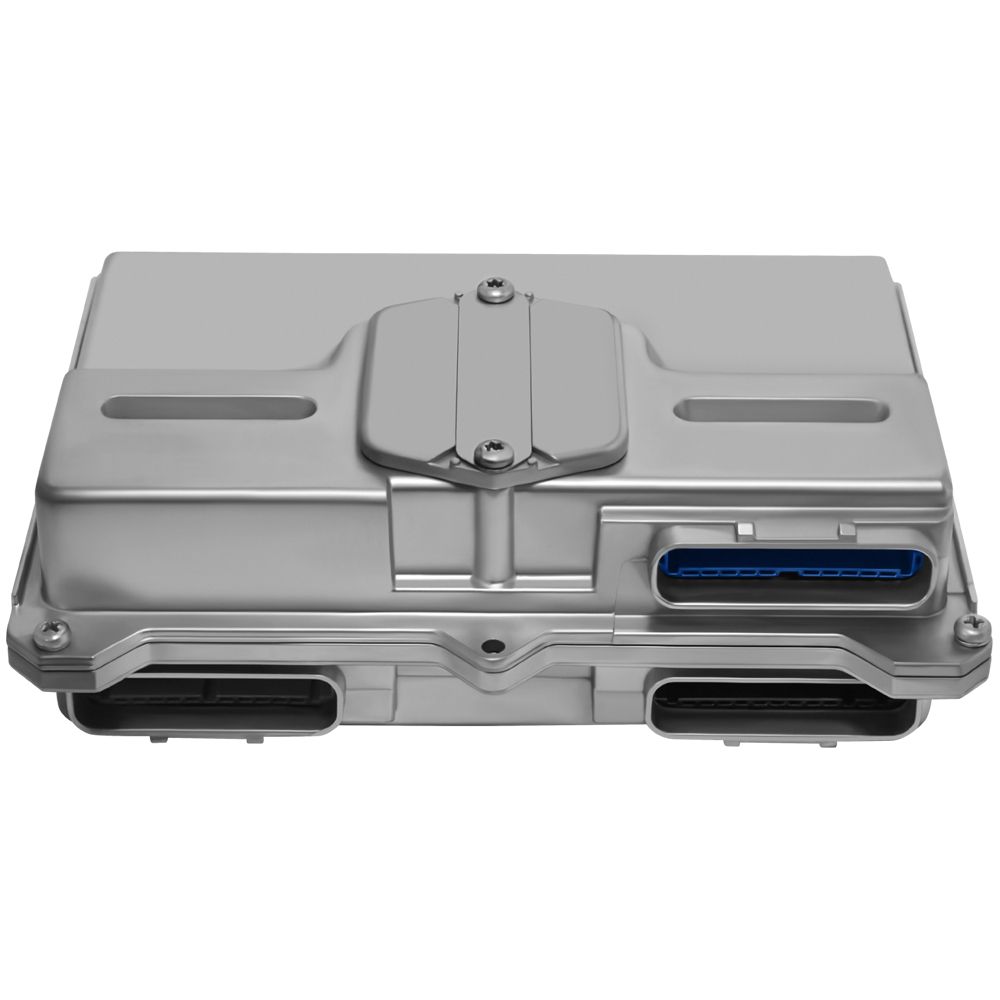
Flagship One stocks a refurbished, VIN-programmed PCM for the 1995 Chevrolet Corsica with a lifetime warranty, free shipping and no core charge. The full Chevrolet Corsica module lineup covers other engine configurations as well.
The PCM in your 1995 Chevrolet Corsica 3.1L is a critical component that controls engine and transmission operation. Recognizing failure symptoms early and replacing the module with a properly programmed unit can restore reliable performance. Whether you choose a DIY installation or professional help, understanding the labor times and post-install requirements helps you plan the job efficiently. Flagship One provides VIN-programmed PCMs that eliminate the factory relearn step, making the replacement straightforward for your Corsica.