
Last updated on August 25th, 2026 at 02:31 pm
The Engine Control Module (ECM) in your 1994 Chevrolet Corsica manages fuel injection, ignition timing, and idle speed. When it fails, you may experience hard starting, stalling, or poor acceleration due to disrupted engine signals.
If your 1994 Chevrolet Corsica has been acting up—stalling at stoplights, refusing to start, or running rough—your engine computer, or ECM, may be the culprit. Unlike modern vehicles with advanced diagnostics, this pre-OBD-II system relies on a simpler but still critical module to manage fuel and ignition. Replacing it isn’t just about swapping a box; the ECM must communicate with your Corsica’s specific engine configuration. Without proper programming, even a new unit won’t function correctly. Understanding the role of this module, where it’s located, and what replacement involves can save you time and frustration. Whether you’re diagnosing a no-start issue or preparing for a repair, knowing these details helps you make informed decisions about your vehicle’s needs.
The Engine Control Module (ECM) in your 1994 Chevrolet Corsica acts as the brain of the engine, processing inputs from sensors to regulate fuel injection, ignition timing, and idle speed. It ensures the engine runs efficiently under varying conditions, from cold starts to highway cruising. Without a functioning ECM, your Corsica may struggle to start, run erratically, or even stall unexpectedly. This module is particularly important in pre-OBD-II vehicles like yours, where diagnostic capabilities are limited, making accurate control of engine functions even more critical. When the ECM fails, it often disrupts the balance between fuel delivery and spark timing, leading to poor performance or complete engine shutdown. If you’re considering a replacement, replacement engine computers for the Corsica are designed to restore proper engine management without the guesswork of used or incompatible units.
1994 Chevrolet Corsica
OEM programmed ECM for your 1994 Chevrolet Corsica — plug & play, no dealer visit.
Free shipping · Lifetime warranty
In your 1994 Chevrolet Corsica, the ECM is mounted inside the passenger compartment, typically behind the right-side kick panel near the glove box. Accessing it requires removing the kick panel trim, which is held in place by a few screws or clips. Once the panel is off, you’ll see the ECM secured with a mounting bracket. Disconnecting the wiring harness and removing the module itself is straightforward, but care must be taken to avoid damaging the connectors. Reinstallation follows the reverse process, ensuring all electrical connections are clean and secure. Labor time for ECM removal and replacement is typically 1.3 hours, according to factory service manuals. While the physical swap is relatively simple, proper installation is critical to avoid electrical issues or poor connections that could mimic ECM failure.
| Operation | Configuration | Book Time |
|---|---|---|
| Engine Control Module R&R | All configurations | 1.3 hr |
| Powertrain Control Module R&R | All configurations | 1.3 hr |
| Powertrain Control Module Relearn | All configurations | 0.5 hr |
After installing a new ECM in your 1994 Chevrolet Corsica, the factory procedure requires a relearn process to synchronize the module with your vehicle’s engine and transmission. This step, which typically takes 0.5 hours, ensures the ECM adapts to your Corsica’s specific fuel and ignition parameters. Without this relearn, the engine may run poorly or fail to start. However, a VIN-programmed replacement unit from Flagship One arrives pre-configured for your vehicle, eliminating the need for this additional step. This not only saves time but also reduces the risk of incomplete synchronization, which can lead to persistent drivability issues. If you opt for a non-programmed unit, you’ll need to follow the factory relearn procedure, which may involve specific ignition cycles or diagnostic tool steps to complete successfully.
When the ECM in your 1994 Chevrolet Corsica begins to fail, you may notice a range of symptoms that can make driving frustrating or even impossible. One of the most common signs is a no-start condition, where the engine cranks but refuses to fire. This often happens because the ECM isn’t sending the correct signals to the fuel injectors or ignition system. Stalling is another frequent issue, particularly at idle or low speeds, as the module struggles to maintain stable engine operation. You might also experience poor acceleration, hesitation, or a rough idle, all of which can stem from incorrect fuel or spark timing. In some cases, the engine may misfire or run excessively rich, leading to fouled spark plugs or a strong fuel odor. Another telltale sign is a complete loss of communication with a scan tool, which can make diagnosis more challenging. If the ECM is partially failing, you may encounter intermittent issues that come and go, making the problem harder to pin down. While these symptoms can overlap with other engine problems, persistent drivability issues—especially when combined with a lack of scan tool communication—often point to the ECM as the likely culprit.
Stalling at idle while running smoothly at higher speeds often points to an ECM issue in your Corsica. The module may struggle to maintain stable idle control, particularly if it’s not receiving accurate signals from the idle air control valve or throttle position sensor. A failing ECM can disrupt the balance between fuel delivery and spark timing, leading to stalling when the engine is under minimal load. Testing the ECM’s output signals or trying a known-good module can help confirm the diagnosis.
Yes, a faulty ECM can prevent your Corsica from starting, even with a good battery and starter. The ECM controls the fuel injectors and ignition system, so if it fails to send the correct signals, the engine won’t receive fuel or spark. This often results in the engine cranking but not firing. Before replacing the ECM, check for power and ground at the module, as well as proper signals from key sensors like the crankshaft position sensor.
Distinguishing between a bad ECM and a sensor issue in your Corsica can be tricky, as both can cause similar symptoms. Start by checking for trouble codes, even though this is a pre-OBD-II vehicle—some scan tools can still read ECM-generated faults. If the scan tool can’t communicate with the ECM at all, that’s a strong sign the module itself is failing. You can also test sensor signals with a multimeter; if sensors are working but the ECM isn’t responding, the module is likely the problem.
Driving with a suspected bad ECM isn’t recommended, as it can lead to unpredictable engine behavior. A failing ECM may cause sudden stalling, loss of power, or even complete engine shutdown, which can be dangerous in traffic. If your Corsica is exhibiting symptoms like hard starting, rough idle, or intermittent stalling, it’s best to diagnose and address the issue promptly to avoid being stranded or causing further damage to the engine.
Yes, a new ECM for your Corsica typically requires a relearn procedure to synchronize it with your vehicle’s engine and transmission. This step ensures the module adapts to your specific engine parameters, such as fuel trim and ignition timing. However, if you install a VIN-programmed replacement unit, this relearn step is already completed, saving you time and potential headaches. Without proper programming, the engine may run poorly or not start at all.
If your 1994 Chevrolet Corsica is showing signs of ECM failure, you have a few options to consider. A repair shop can attempt to diagnose and replace the module, but labor costs for installation and relearn can add up quickly. Alternatively, a VIN-programmed replacement unit ensures your Corsica’s engine management system is restored without the need for additional programming steps. This approach can be more cost-effective and reliable, especially if you’re dealing with persistent drivability issues.
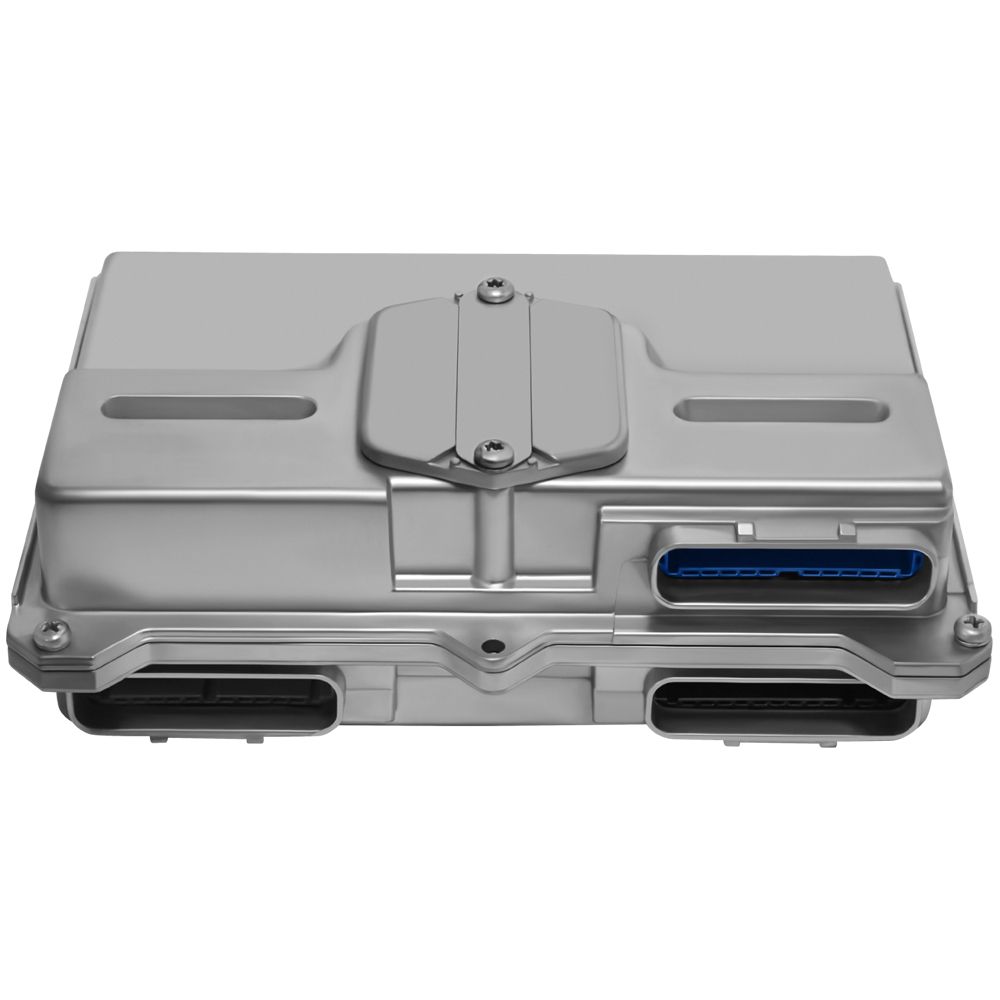
Flagship One stocks a refurbished, VIN-programmed PCM for the 1994 Chevrolet Corsica with a lifetime warranty, free shipping and no core charge. The full Chevrolet Corsica module lineup covers other engine configurations as well.
The ECM in your 1994 Chevrolet Corsica plays a vital role in keeping your engine running smoothly, and when it fails, it can lead to frustrating and unpredictable issues. Whether you’re dealing with a no-start condition, stalling, or poor performance, understanding the module’s function and replacement process can help you make the right repair decisions. With a VIN-programmed replacement unit, you can avoid the hassle of post-installation relearn procedures and get your Corsica back on the road with confidence.