
Last updated on August 25th, 2026 at 02:38 pm
The engine control module in a 2013 Buick Verano manages fuel delivery, ignition timing, and emission controls. Failure can cause no‑start conditions, erratic sensor data, and loss of communication with diagnostic tools, often triggering MIL illumination and related fault codes.
If your 2013 Buick Verano is showing intermittent no‑crank, MIL illumination, or loss of communication with a scan tool, the engine control module may be the source. Understanding how the ECM functions, the labor involved in its removal and reinstall, and the programming steps required after a swap can help you decide whether a repair or a refurbished replacement is the right path. This guide walks you through the module’s role, typical labor times, factory cautions, programming requirements, common symptoms, and practical steps to keep the unit healthy, giving you the knowledge to make an informed decision for your vehicle.
In the 2013 Buick Verano the engine control module acts as the central computer that monitors sensor inputs, controls fuel injection, ignition timing, and emission systems. It continuously adjusts engine operation to meet performance and efficiency targets, making it essential for smooth idle, acceleration, and emissions compliance. Because the ECM interprets data from dozens of sensors, any disruption can trigger fault codes or shut down the engine to protect components. The module also communicates with transmission control and other body controllers, ensuring coordinated operation across the vehicle. Proper function is therefore critical for drivability and regulatory compliance. The module is part of the vehicle’s powertrain control strategy and may be swapped with replacement engine control modules for 2013 Buick Verano when necessary.
The ECM in a 2013 Buick Verano is mounted within the engine compartment, connected to a wiring harness that plugs into the unit. Removal begins by disconnecting the ECM harness plugs, taking care not to touch the pins to avoid electrostatic discharge damage as the factory caution advises. After the connectors are secured, the module can be unbolted and taken out. Installation reverses the steps, ensuring the harness plugs are fully seated before securing the unit. The labor guide lists 2.3 hours for the powertrain control module removal and replacement, and an additional 0.5 hours for the engine control module relearn after the new unit is in place. No torque specifications were provided, so standard tightening practices apply.
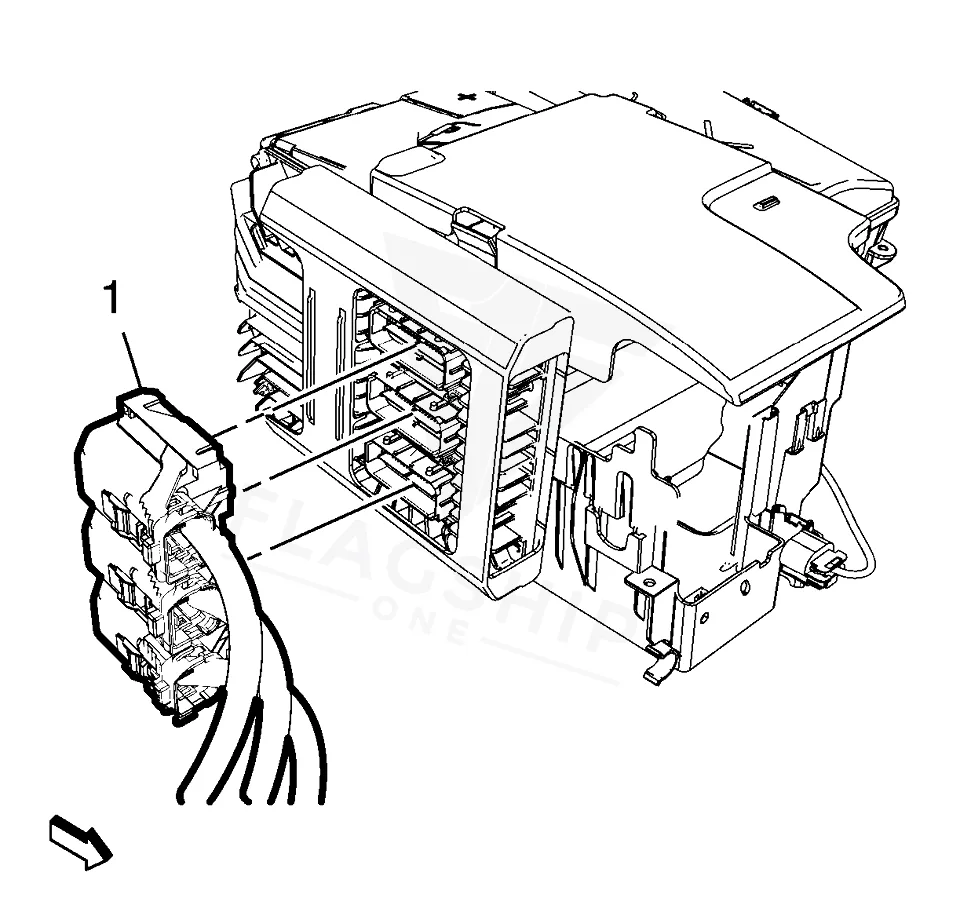
Work with the ignition off, and treat the module as static-sensitive: avoid touching the connector pins at any point.
| Operation | Configuration | Book Time |
|---|---|---|
| Powertrain Control Module R&R | All configurations | 2.3 hr |
| Engine Control Module Relearn | All configurations | 0.5 hr |
| Engine Control Module R&R | All configurations | 2.3 hr |
2013 Buick Verano
OEM programmed ECM for your 2013 Buick Verano — plug & play, no dealer visit.
Free shipping · Lifetime warranty
Typical signs of a failing ECM in a 2013 Buick Verano include intermittent no‑crank or no‑start events, erratic idle, loss of power, and MIL illumination. Drivers may also notice unexpected service messages or a lack of communication when attempting to scan the vehicle. Diagnostic trouble codes often appear, such as powertrain control module failure and other P060x series codes that indicate internal processor or communication faults. In some cases, the vehicle may exhibit stalling during acceleration or rough running as the module struggles to manage fuel and ignition timing.
The following fault codes are commonly logged by the engine control module in a 2013 Buick Verano:
Service bulletin #09‑06‑03‑004 (Nov 28 2011) addresses intermittent no‑crank, MIL illumination, and communication failures, recommending connector cleaning and dielectric lubricant application to combat fretting corrosion. Bulletin #09‑06‑04‑026 (Mar 19 2013) provides guidance for identifying non‑GM aftermarket calibrations for V6 and V8 engines using Tech 2 or GDS 2, which can be relevant when aftermarket equipment is installed.
| Bulletin | Subject | What It Addresses |
|---|---|---|
| 09-06-03-004 | Intermittent No Crank/No Start, No Module Communication, MIL, Warning Lights, Vehicle Messages | Some customers may comment on any of the following conditions: An intermittent no crank/no start Intermittent malfunction indicator lamp (MIL) illumination… |
| 09-06-04-026 | Identifying Non-GM (Aftermarket) Engine and Transmission Calibrations for V6 and V8 Gasoline En | — |
The factory book time lists 2.3 hours for removal and installation of the powertrain control module, plus an additional 0.5 hours for the engine control module relearn.
If the module passes all functional tests and no internal fault codes remain, cleaning the connector and applying dielectric lubricant may restore communication, but the unit still requires the programming step with the correct calibration.
The EL‑49642 SPS programming support tool is required, along with the vehicle‑specific software and calibration files, to complete the reprogramming procedure.
Factory guidance advises connecting any aftermarket electrical equipment at the 12 V battery power and ground to avoid voltage irregularities that could damage the ECM.
It suggests disconnecting the affected connector, cleaning it, and applying dielectric lubricant to mitigate fretting corrosion that can cause intermittent communication loss.
When the ECM in your 2013 Buick Verano shows signs of failure, you can choose a repair that restores the original unit or opt for a refurbished replacement that meets factory specifications. Both approaches require the documented labor times and the post‑install relearn. A Flagship One refurbished module arrives VIN‑programmed, eliminating the need for on‑site calibration and helping you return the vehicle to reliable operation more quickly.
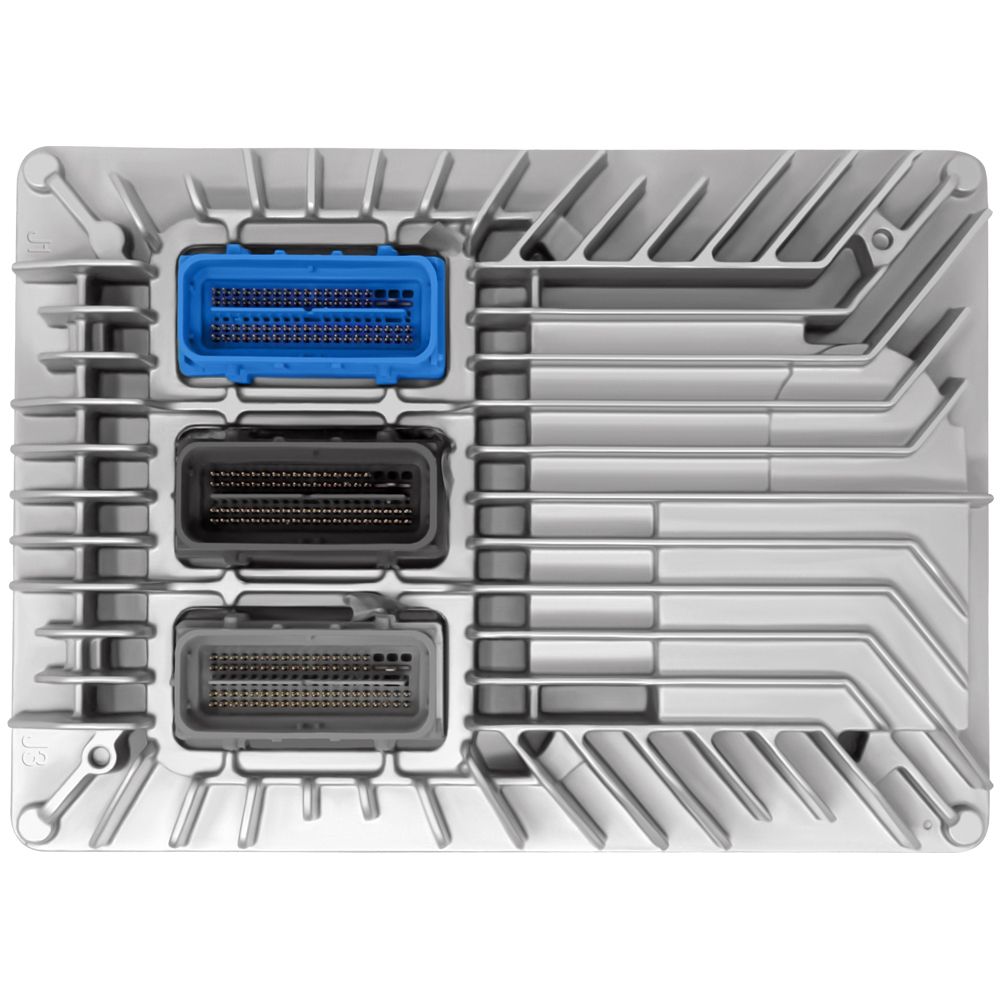
Flagship One stocks a refurbished, VIN-programmed PCM for the 2013 Buick Verano with a lifetime warranty, free shipping and no core charge. The full Buick Verano module lineup covers other engine configurations as well.
The engine control module is vital to the performance of your 2013 Buick Verano. Whether you repair the existing unit or select a refurbished replacement, following the proper removal, installation, and programming steps will ensure the vehicle runs smoothly. Contact Flagship One for a VIN‑programmed solution that simplifies the process.