
Last updated on August 25th, 2026 at 02:38 pm
The Engine Control Module (ECM) in your 2014 Buick Verano manages fuel delivery, ignition timing, and emissions systems for the 2.0L engine. Failures may cause no-start conditions, erratic idling, or internal memory faults that trigger warning lights.
If your 2014 Buick Verano has been stalling unexpectedly or throwing cryptic engine codes, the Engine Control Module (ECM) may be the culprit. This compact computer sits under the hood, constantly adjusting fuel mixtures and spark timing to keep your 2.0L engine running smoothly. When it fails, symptoms can range from subtle hesitation to complete no-start conditions. Replacing it isn’t just about swapping boxes – the new unit must be programmed to recognize your specific vehicle’s configuration. Factory procedures call for special tools and software that most independent shops don’t have, which is why many owners end up making multiple trips to the dealer. Understanding what the ECM does, where it’s located, and what replacement involves can help you make informed decisions about repairs and avoid unnecessary complications during the process.
The Engine Control Module in your 2014 Buick Verano serves as the brain of the 2.0L engine, processing data from sensors to optimize performance, fuel efficiency, and emissions. It continuously adjusts fuel injection timing, ignition spark, and idle speed based on driving conditions. This module also monitors emissions systems and stores diagnostic trouble codes when problems occur. Without a properly functioning ECM, your Verano may experience reduced power, poor fuel economy, or even fail to start. The module’s location near the engine bay exposes it to heat and vibration, which can contribute to internal failures over time. When replacement becomes necessary, you’ll need replacement engine computers for the Verano that match your vehicle’s specific calibration to ensure proper operation. The ECM works in conjunction with the transmission control module to provide smooth shifting, so failures may affect both engine performance and gear changes.
In the 2014 Buick Verano, the Engine Control Module is mounted in the engine compartment, though its exact position isn’t specified in available documentation. Replacement involves disconnecting the battery first to prevent electrical issues. The factory caution advises against touching connector pins to avoid electrostatic damage, so technicians typically handle the module by its edges. Two wiring harness plugs must be carefully disconnected from the ECM before removal. Labor guides estimate 2.3 hours for the complete removal and reinstallation process. After physical installation, an additional 0.5 hours is allocated for the module relearn procedure, which synchronizes the new ECM with your Verano’s other systems. No torque specifications are provided for the mounting hardware, but proper seating of electrical connectors is critical to prevent future issues.
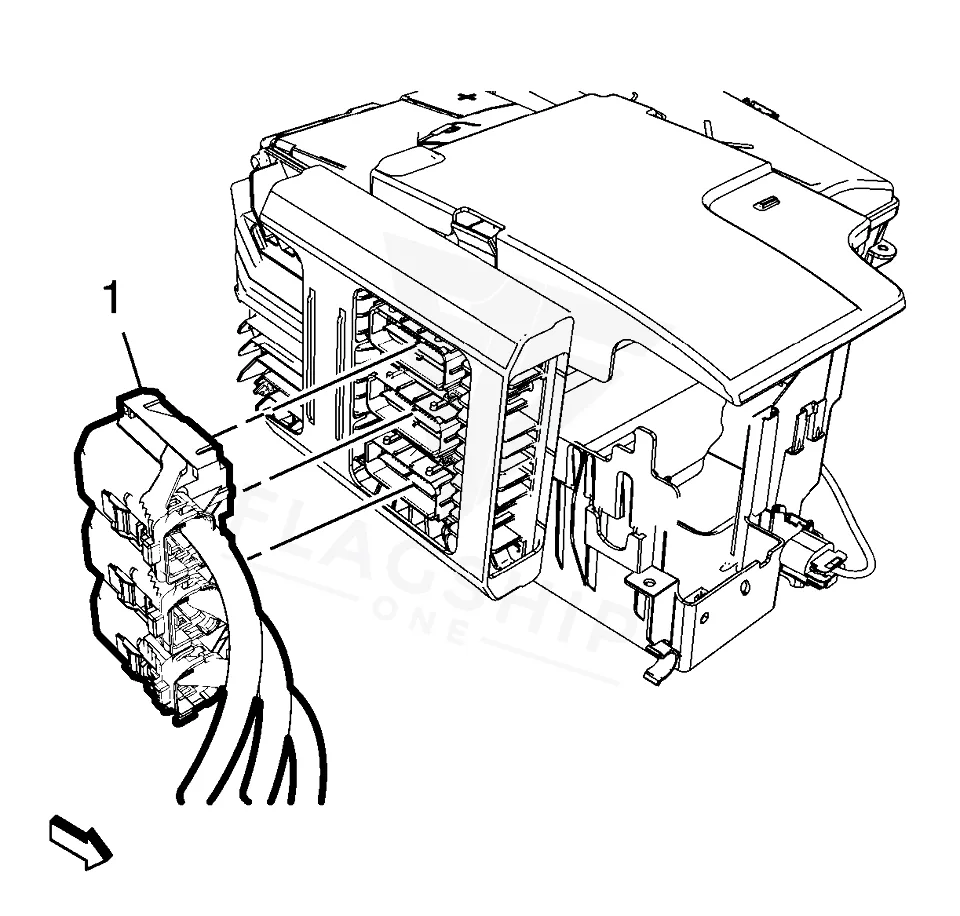
Work with the ignition off, and treat the module as static-sensitive: avoid touching the connector pins at any point.
| Operation | Configuration | Book Time |
|---|---|---|
| Powertrain Control Module R&R | All configurations | 2.3 hr |
| Engine Control Module Relearn | All configurations | 0.5 hr |
| Engine Control Module R&R | All configurations | 2.3 hr |
2014 Buick Verano
OEM programmed ECM for your 2014 Buick Verano — plug & play, no dealer visit.
Free shipping · Lifetime warranty
After installing a new Engine Control Module in your 2014 Buick Verano, factory procedures require reprogramming to match your vehicle’s specific configuration. This process involves using the EL-49642 SPS programming support tool and specialized software to load the correct calibration. The reprogramming step is crucial because a blank module won’t communicate with your Verano’s sensors or other control modules. Many owners discover this requirement only after installation, leading to additional dealer visits. However, when you choose a VIN-programmed replacement unit, this step is already completed before shipment. The module arrives ready to install, with your vehicle’s specific calibration already loaded, eliminating the need for post-installation programming. This approach saves time and ensures your Verano’s systems will function properly immediately after installation.
When the Engine Control Module in your 2014 Buick Verano begins to fail, you may notice several distinct symptoms. The most common issues include intermittent stalling, especially at idle or during deceleration, and rough running conditions that may feel like misfires. Some owners report the engine cranking but not starting, while others experience sudden loss of power while driving. The check engine light often illuminates, and a scan tool may reveal internal module faults like control module memory checksum error. Communication problems may prevent your scan tool from accessing other systems, making diagnosis more challenging. In some cases, the Verano may exhibit shifting issues as the ECM fails to properly coordinate with the transmission control module. Cold weather can exacerbate these symptoms, with some owners reporting longer cranking times before startup. The 2.0L engine may also run excessively rich or lean, leading to poor fuel economy and potential catalytic converter damage if left unaddressed.
The 2014 Buick Verano’s Engine Control Module may generate specific internal trouble codes when it experiences failures. These codes typically indicate problems with the module’s memory, processing, or communication functions rather than sensor or actuator issues.
ECM failures typically produce internal module codes (P0601-P0606 range) rather than sensor-specific codes. You may also experience multiple unrelated symptoms simultaneously, like stalling combined with transmission shifting issues. A professional scan tool can often detect communication errors with the ECM itself, which points to module failure rather than sensor problems.
A used ECM may physically fit, but it will need to be reprogrammed to your specific VIN and vehicle configuration. Without proper programming, it may not communicate with your Verano’s sensors or other control modules, potentially causing drivability issues or triggering additional trouble codes.
While the physical replacement is straightforward, the programming requirements make this a challenging DIY project. You would need access to factory-level diagnostic tools and software to complete the installation properly. Most owners find it more practical to have a professional handle the entire process, especially since Flagship One units arrive pre-programmed.
The factory labor guide allocates 0.5 hours for the ECM relearn procedure. This process synchronizes the new module with your Verano’s other systems and typically involves driving the vehicle through specific conditions to complete the adaptation. The actual time may vary depending on the technician’s experience and the vehicle’s condition.
Without the relearn procedure, your Verano may experience drivability issues such as rough idle, poor acceleration, or transmission shifting problems. The engine may also run inefficiently, leading to reduced fuel economy. In some cases, the vehicle may not start at all until the procedure is completed. The relearn process ensures all systems communicate properly with the new ECM.
When your 2014 Buick Verano needs a new Engine Control Module, you have options beyond a dealer replacement. A refurbished unit can provide the same functionality at a lower cost, especially when it arrives pre-programmed to your VIN. This approach eliminates the need for post-installation programming, saving you time and potential frustration. Consider whether you prefer the convenience of a plug-and-play solution or the assurance of a new dealer part when making your decision.
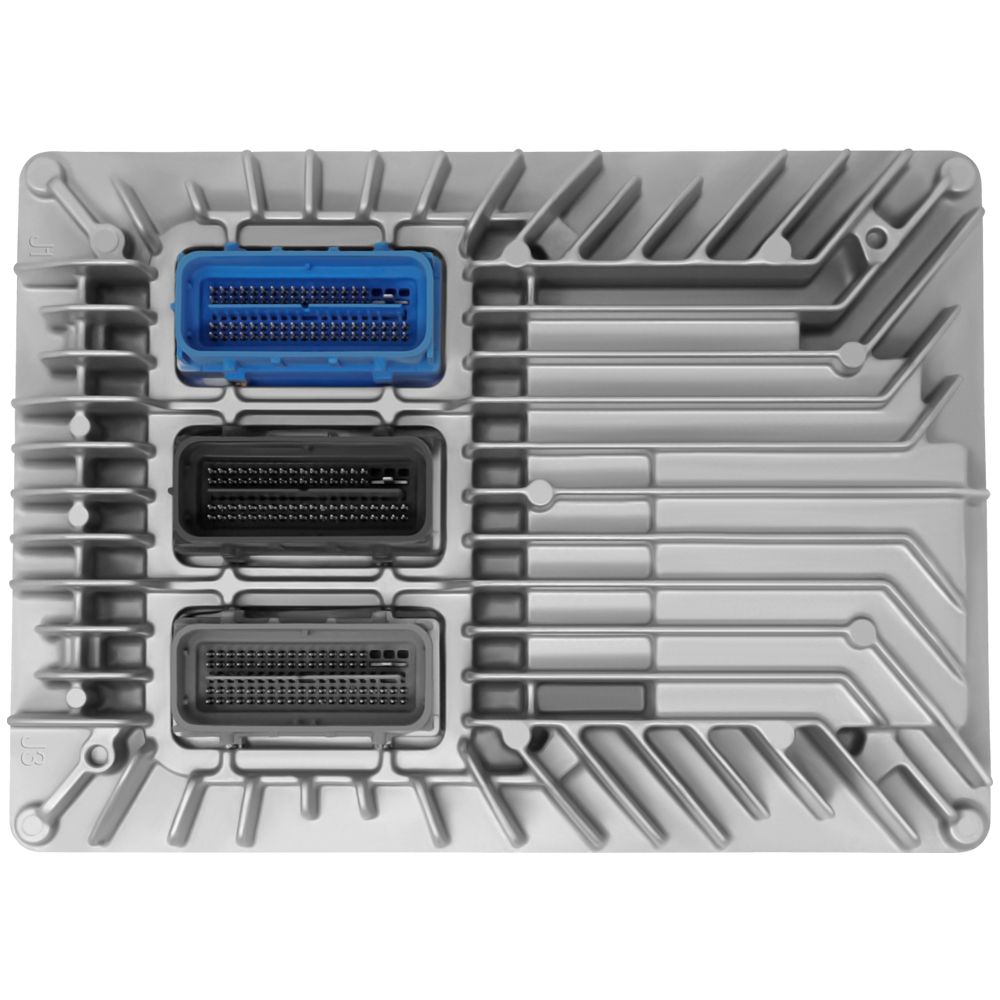
Flagship One stocks a refurbished, VIN-programmed PCM for the 2014 Buick Verano with a lifetime warranty, free shipping and no core charge. The full Buick Verano module lineup covers other engine configurations as well.
The Engine Control Module plays a vital role in your 2014 Buick Verano’s performance and drivability. When replacement becomes necessary, understanding the process and requirements can help you make informed decisions about repairs. Whether you choose a dealer-installed unit or a pre-programmed replacement, proper installation and programming are key to restoring your Verano’s smooth operation. Addressing ECM issues promptly can prevent more serious problems down the road.