
Last updated on August 25th, 2026 at 02:38 pm
The Engine Control Module (ECM) in your 2015 Buick Verano manages fuel delivery, ignition timing, and emissions systems. Failures may trigger drivability issues like stalling, rough idle, or failure to start.
If your 2015 Buick Verano is experiencing unexplained stalling, rough running, or a no-start condition, the Engine Control Module (ECM) may be at fault. This small but critical computer manages everything from fuel injection to ignition timing. Replacing it involves careful handling to avoid damage, and a factory relearn procedure to ensure proper operation. Understanding the process helps you make informed decisions about repairs, whether you’re tackling the job yourself or working with a shop. This guide covers what the ECM does, where it’s located, and what to expect during replacement and programming.
The ECM in your 2015 Buick Verano acts as the brain of the engine, continuously monitoring sensors and adjusting fuel, air, and spark to optimize performance and emissions. Without it, the engine may run poorly or not start at all. When replacement becomes necessary, you’ll need a module that matches your vehicle’s specifications. replacement engine computers for the Verano are designed to integrate seamlessly with your vehicle’s systems, but proper installation and programming are essential to restore full functionality. A faulty ECM can lead to a range of issues, from poor fuel economy to complete engine shutdown.
The ECM in the 2015 Buick Verano is typically located near the engine bay, often mounted on the firewall or inner fender. Replacing it involves disconnecting the battery, removing the wiring harness plugs carefully to avoid electrostatic damage, and unbolting the module from its mount. The factory labor time for ECM removal and replacement is 2.3 hours. After installation, the module must be reconnected, and the battery restored. A relearn procedure, taking an additional 0.5 hours, is required to ensure the ECM communicates correctly with the vehicle’s systems. Always handle the module by its edges to prevent damage to the connector pins.
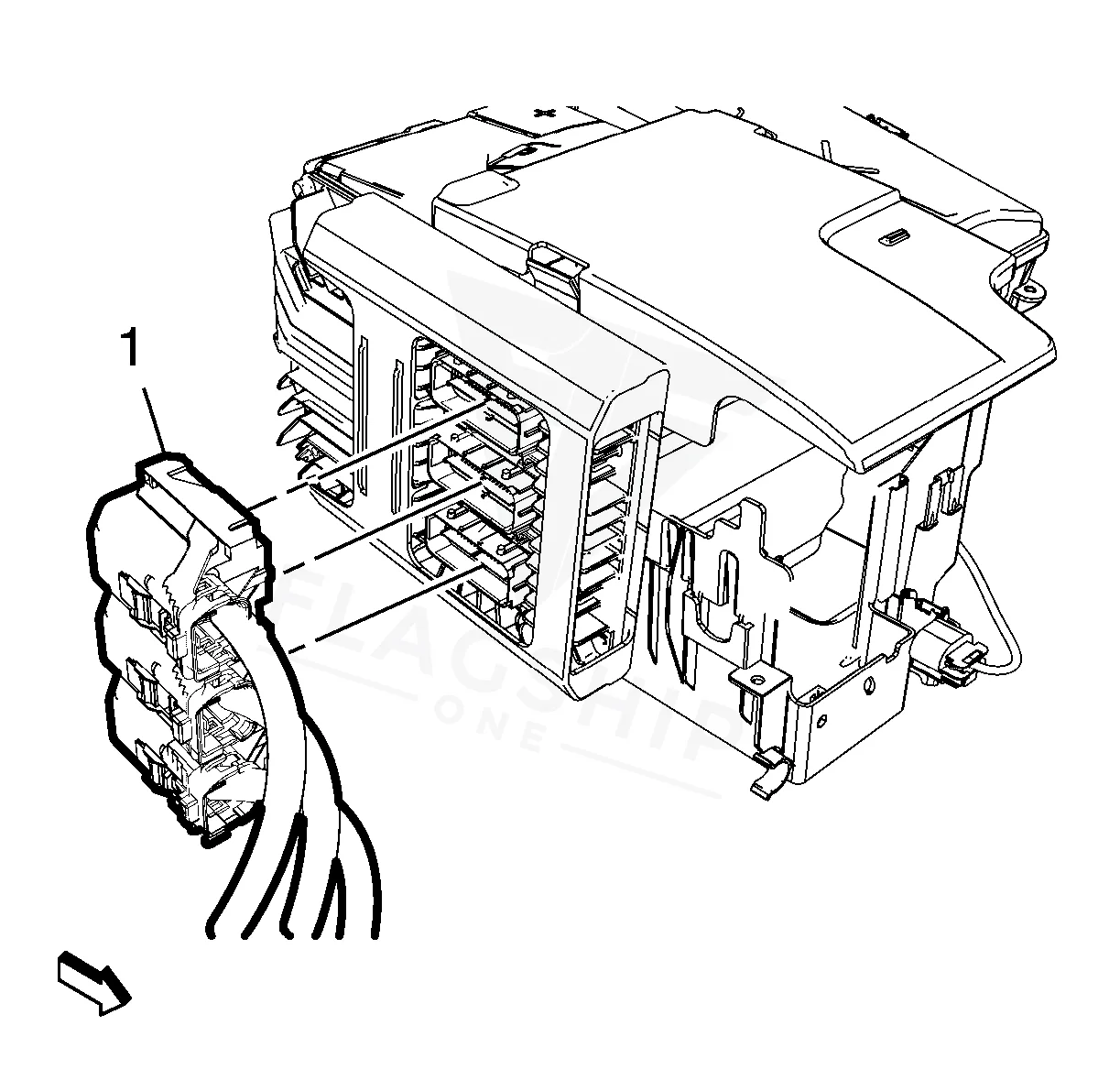
Work with the ignition off, and treat the module as static-sensitive: avoid touching the connector pins at any point.
| Operation | Configuration | Book Time |
|---|---|---|
| Powertrain Control Module R&R | All configurations | 2.3 hr |
| Engine Control Module Relearn | All configurations | 0.5 hr |
| Engine Control Module R&R | All configurations | 2.3 hr |
2015 Buick Verano
OEM programmed ECM for your 2015 Buick Verano — plug & play, no dealer visit.
Free shipping · Lifetime warranty
After replacing the ECM in your 2015 Buick Verano, the factory procedure requires reprogramming the module using the EL-49642 SPS programming support tool. This step ensures the ECM is calibrated to your vehicle’s specific configuration. However, if you install a VIN-programmed replacement unit, this step is already completed, saving you time and avoiding potential programming errors. Reprogramming may also be restricted if the module already has the latest calibration, as noted in recent service bulletins. Always follow factory guidelines to prevent issues during the process.
A failing ECM in your 2015 Buick Verano may cause a variety of symptoms, including intermittent stalling, rough idle, or a no-start condition. You might also notice poor fuel economy, hesitation during acceleration, or the check engine light illuminating. In some cases, the vehicle may enter a reduced-power mode to prevent further damage. Common trouble codes associated with ECM failures include internal control module memory checksum error, which indicates a problem with the module’s memory or processing. If your scan tool cannot communicate with the ECM, it may also point to a module failure.
The 2015 Buick Verano’s ECM may store specific trouble codes when internal faults occur. These codes help diagnose issues related to the module’s memory, processing, or communication systems.
Factory service bulletin #17-NA-242 outlines changes to the SPS programming system, which may warn or prohibit reprogramming a module if it already has the current calibration. This update helps prevent unnecessary reprogramming attempts that could lead to errors. Additionally, bulletin #PIT5436A provides guidance on enabling OnStar Wi-Fi after replacing or reprogramming the Vehicle Communication Interface Module (VCIM), which may be relevant if your vehicle’s connectivity features are affected during ECM-related repairs.
| Bulletin | Subject | What It Addresses |
|---|---|---|
| — | Information on Changes to SPS that Warn/Prohibit Reprogramming a Module With Its Current Calibr | — |
| — | Diagnostic Tip: OnStar WIFI Enable After VCIM Replacement Or Reprogramming Event – (Nov 24, 201 | — |
Common signs include a no-start condition, stalling, or the check engine light with ECM-related trouble codes. If your scan tool cannot communicate with the ECM, it may also indicate a failure. A professional diagnosis is recommended to confirm the issue.
Replacement is possible if you have basic mechanical skills and follow factory precautions. However, the module must be programmed to your vehicle’s VIN, which typically requires dealer-level tools unless you use a pre-programmed unit.
Without reprogramming, the ECM may not communicate properly with your vehicle’s systems, leading to drivability issues or a no-start condition. Factory procedures require reprogramming unless the module arrives pre-programmed for your VIN.
If your 2015 Buick Verano’s ECM has failed, you have options for repair or replacement. A new or refurbished module can restore full functionality, but ensure it’s programmed to your vehicle’s VIN to avoid additional steps. For those looking to simplify the process, a pre-programmed unit eliminates the need for dealer reprogramming, saving time and reducing the risk of errors.
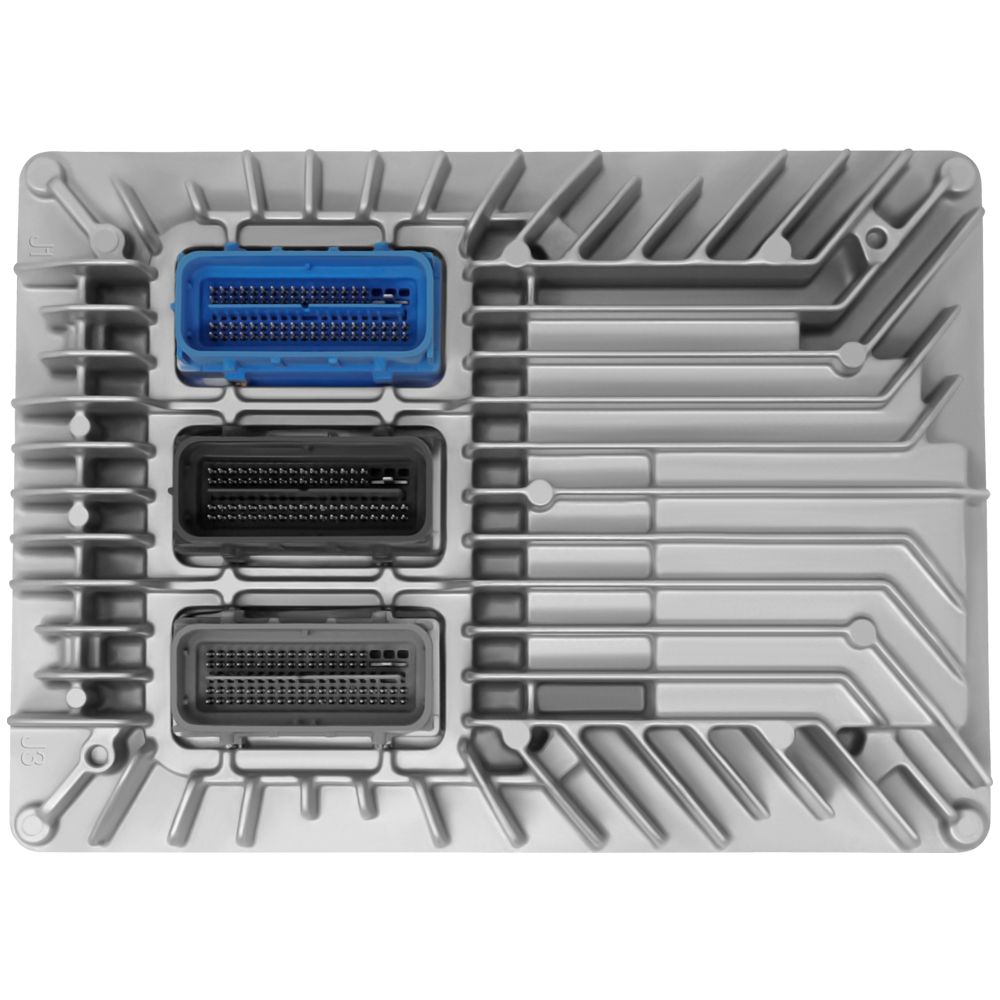
Flagship One stocks a refurbished, VIN-programmed PCM for the 2015 Buick Verano with a lifetime warranty, free shipping and no core charge. The full Buick Verano module lineup covers other engine configurations as well.
The ECM in your 2015 Buick Verano plays a critical role in engine performance and drivability. If you’re experiencing symptoms like stalling or a no-start condition, replacement may be necessary. Understanding the process—from installation to programming—helps you make informed decisions. Whether you choose a dealer visit or a pre-programmed unit, proper handling and calibration are key to restoring your vehicle’s reliability.