
Last updated on August 25th, 2026 at 01:31 pm
The Powertrain Control Module (PCM) in your 2015 Ford Fiesta manages engine and transmission functions. Failures may cause erratic performance, no-start conditions, or communication errors with other vehicle systems.
If your 2015 Ford Fiesta has been acting up—stalling, refusing to start, or throwing cryptic dashboard warnings—the Powertrain Control Module (PCM) might be the culprit. This small but critical computer oversees everything from fuel delivery to transmission shifts, and when it fails, your vehicle’s performance can suffer in unpredictable ways. Replacing it isn’t just about swapping a part; it involves precise labor steps and, in many cases, a time-consuming relearn procedure to sync the new module with your Fiesta’s systems. Understanding what the PCM does, where it’s located, and what to expect during replacement can save you time and frustration. Whether you’re diagnosing a no-start condition or addressing a persistent trouble code, knowing the facts about your Fiesta’s PCM helps you make informed decisions about repairs or replacements.
The Powertrain Control Module in your 2015 Ford Fiesta acts as the brain of the engine and transmission. It continuously monitors sensors for data like air intake, throttle position, and engine temperature, then adjusts fuel injection, ignition timing, and shift points in real time. Without a functioning PCM, your Fiesta may struggle to start, idle roughly, or even enter a limp-home mode that limits speed and power. This module also communicates with other vehicle systems, such as the anti-lock brakes and instrument cluster, ensuring seamless operation. When the PCM fails, you might notice symptoms like poor fuel economy, erratic shifting, or warning lights that refuse to clear. Replacing it with replacement engine computers for the Fiesta ensures your vehicle regains its ability to process critical data and maintain optimal performance. The PCM’s role is so central that even minor glitches can disrupt the entire drivetrain, making timely diagnosis and repair essential.
2015 Ford Fiesta
OEM programmed ECM for your 2015 Ford Fiesta — plug & play, no dealer visit.
Free shipping · Lifetime warranty
In the 2015 Ford Fiesta, the Powertrain Control Module is mounted next to the air cleaner assembly, making it relatively accessible for replacement. The factory procedure involves disconnecting the battery, removing the air cleaner housing, and unplugging the module’s electrical connectors. Once the old unit is detached, the new PCM can be installed in its place, followed by reconnecting the wiring and securing the air cleaner assembly. Labor estimates for this job typically include 0.6 hours for removal and reinstallation. While the location is straightforward, proper handling of the module and its connectors is crucial to avoid damage or corrosion. After installation, the vehicle may require a relearn procedure to ensure the new PCM syncs correctly with the engine and transmission systems.
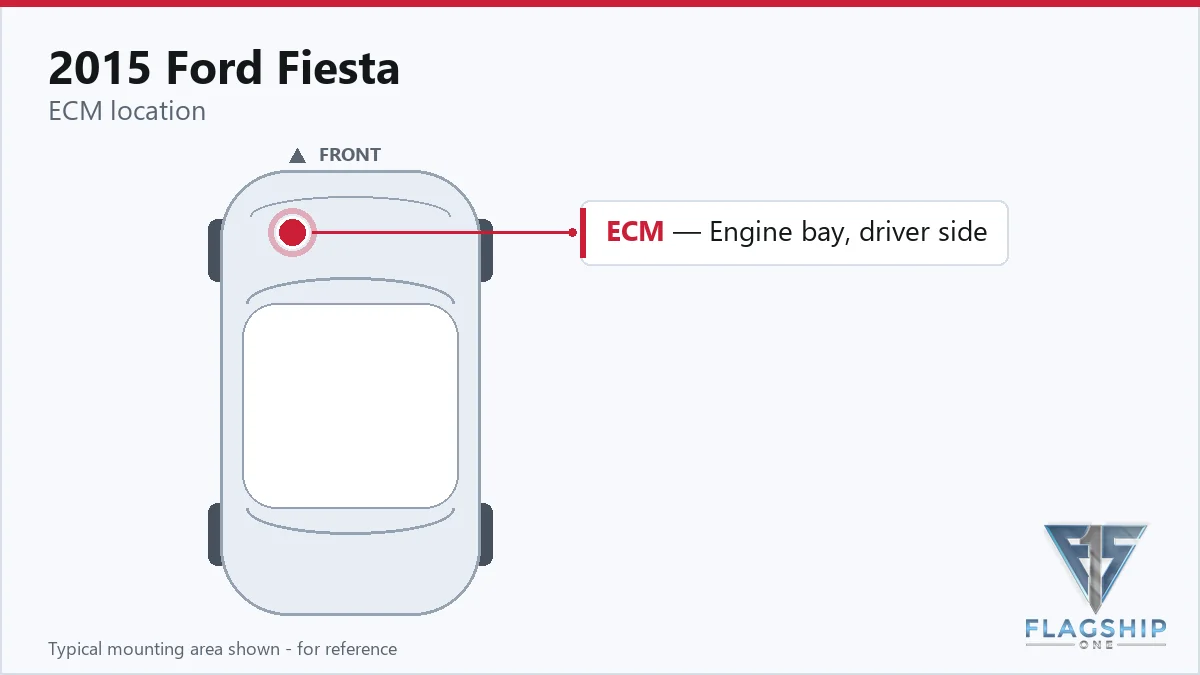
Work with the ignition off, and treat the module as static-sensitive: avoid touching the connector pins at any point.
| Operation | Configuration | Book Time |
|---|---|---|
| Powertrain Control Module R&R | All configurations | 0.6 hr |
| Powertrain Control Module Relearn | All configurations | 0.5 hr |
| Engine Control Module Relearn | All configurations | 0.5 hr |
| Engine Control Module R&R | All configurations | 0.6 hr |
After replacing the Powertrain Control Module in your 2015 Ford Fiesta, the factory procedure often requires a 0.5-hour relearn process to synchronize the new unit with the vehicle’s systems. This step ensures the PCM recognizes the engine’s sensors, transmission, and other critical components, allowing for smooth operation. However, if you opt for a VIN-programmed replacement unit, these programming steps are already completed before the module arrives. This eliminates the need for additional shop time or specialized tools to perform the relearn, saving you both time and potential frustration. The pre-programmed unit is ready to install, reducing the risk of post-installation communication errors or performance issues. While the physical replacement remains the same, the convenience of a pre-programmed PCM streamlines the process significantly.
When the Powertrain Control Module in your 2015 Ford Fiesta begins to fail, you may notice a range of symptoms that can disrupt your driving experience. A common sign is a no-start condition, where the engine cranks but refuses to fire, often due to the PCM’s inability to manage fuel or ignition systems. Stalling at idle or during acceleration is another frequent issue, as the module struggles to maintain consistent engine operation. You might also experience erratic shifting if the PCM fails to communicate properly with the transmission, leading to harsh or delayed gear changes. Warning lights, such as the check engine or transmission warning, may illuminate, and a scan tool may reveal codes like internal processor fault, indicating a problem within the module itself. In some cases, the vehicle may enter a limp-home mode, limiting speed and power to prevent further damage. Poor fuel economy or rough idling can also point to PCM issues, as the module’s ability to optimize engine performance deteriorates. If your Fiesta exhibits any of these symptoms, addressing the PCM promptly can help restore reliable operation and prevent more severe drivetrain problems.
The 2015 Ford Fiesta’s Powertrain Control Module may generate specific trouble codes when internal faults occur. These codes help pinpoint issues within the module or its communication with other vehicle systems. Below are the documented codes associated with PCM failures in this model.
| Code | Meaning | Full Guide |
|---|---|---|
| P0606 | Module processor failure | Full P0606 guide → |
| U0100 | Module-internal fault | Full U0100 guide → |
| U0101 | Module-internal fault | Full U0101 guide → |
Common signs include a no-start condition, stalling, erratic shifting, or warning lights on the dashboard. A scan tool may reveal codes like P0606 or U0100, which often point to PCM issues. If these symptoms persist after basic checks, the module may need replacement.
While the PCM is located near the air cleaner assembly and is accessible, replacement requires careful handling of electrical connectors and may involve a relearn procedure. If you’re comfortable with basic mechanical tasks and have the right tools, it’s possible, but professional installation ensures proper synchronization.
The relearn procedure allows the new PCM to recognize and adapt to your vehicle’s specific sensors, transmission, and engine characteristics. Without it, the module may not communicate correctly with other systems, leading to performance issues or warning lights.
Ignoring codes like P0606 or U0100 may lead to worsening symptoms, such as poor fuel economy, stalling, or even a no-start condition. Over time, unresolved PCM issues can cause secondary damage to other drivetrain components, increasing repair costs.
Both options can work, but a refurbished PCM that’s been tested and pre-programmed to your vehicle’s VIN offers a cost-effective solution without sacrificing reliability. New units may come with a higher price tag but provide peace of mind for long-term use.
If your 2015 Ford Fiesta is showing signs of PCM failure, you have options for repair or replacement. While a dealership may offer a new module, a refurbished or pre-programmed unit can provide the same functionality at a lower cost. Given the labor involved in replacement and relearn procedures, choosing a VIN-programmed module can save you time and hassle. Whether you opt for a DIY approach or professional installation, addressing the issue promptly ensures your Fiesta runs smoothly and reliably.
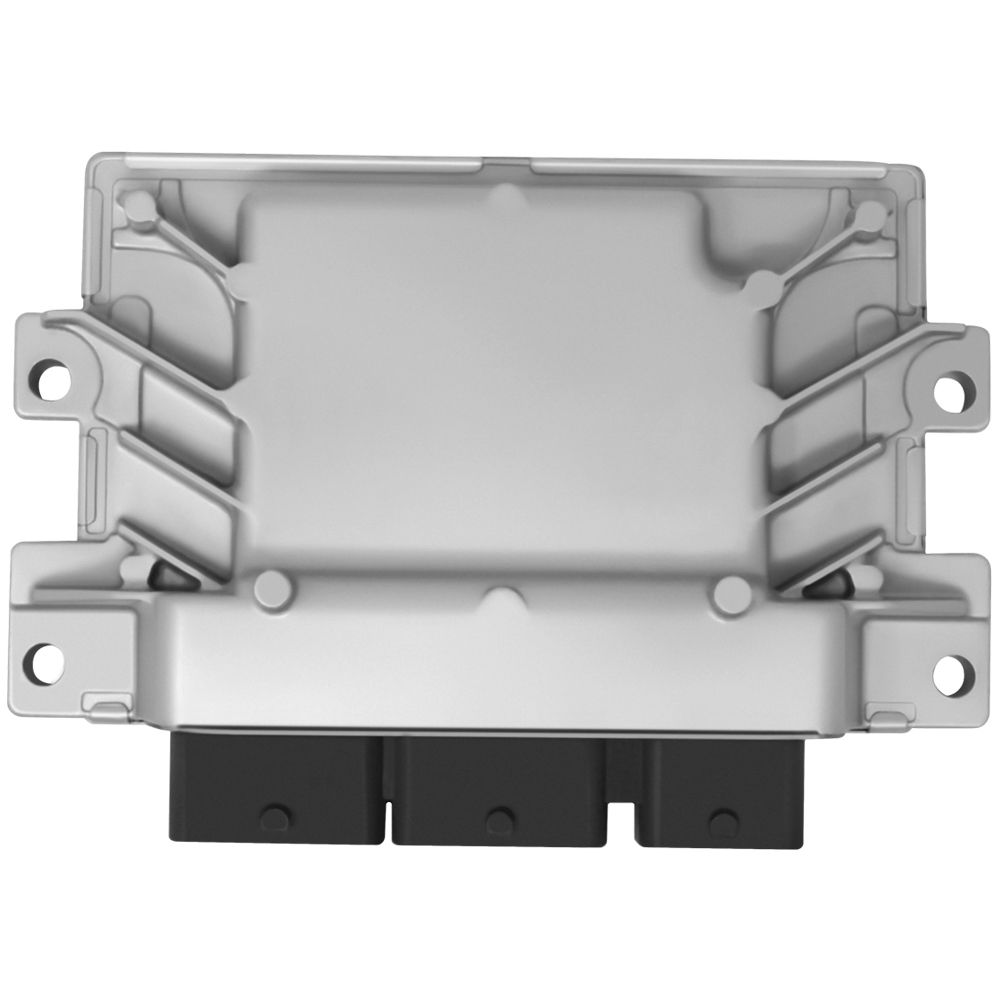
Flagship One stocks a refurbished, VIN-programmed PCM for the 2015 Ford Fiesta with a lifetime warranty, free shipping and no core charge. The full Ford Fiesta module lineup covers other engine configurations as well.
The Powertrain Control Module in your 2015 Ford Fiesta plays a critical role in managing engine and transmission performance. When it fails, symptoms like stalling, no-start conditions, or warning lights can disrupt your daily driving. Understanding the replacement process, from location to programming, helps you make informed decisions about repairs. Whether you choose a new or refurbished unit, addressing PCM issues promptly ensures your Fiesta remains dependable for miles to come.