
Last updated on August 25th, 2026 at 12:23 pm
The Engine Control Module (ECM) in your 2014 Chevrolet Traverse manages fuel delivery, ignition timing, and emissions systems. Failure may trigger warning lights, poor performance, or a vehicle that won’t start, often linked to internal faults or electrical damage.
If your 2014 Chevrolet Traverse suddenly stalls, refuses to start, or throws a check-engine light with no clear cause, the Engine Control Module (ECM) may be at fault. This small but critical computer oversees everything from fuel injection to ignition timing, ensuring smooth operation. When it fails, symptoms can range from subtle performance issues to a complete no-crank condition. Replacing the ECM isn’t just about swapping hardware—proper installation and programming are essential to avoid repeat problems. Understanding the process helps you make informed decisions, whether you’re tackling the job yourself or working with a shop. This guide covers what the ECM does, where it’s located, common failure signs, and the steps required to restore reliable operation to your Traverse.
The Engine Control Module in your 2014 Chevrolet Traverse serves as the brain of the engine, continuously monitoring sensors and adjusting fuel, air, and spark to optimize performance and emissions. It communicates with the transmission, body control modules, and even the instrument cluster to ensure seamless operation. Without a functioning ECM, the engine may run poorly or not at all, as it relies on precise calculations for combustion. Over time, electrical surges, moisture intrusion, or internal faults can degrade its performance, leading to symptoms like rough idling or unexpected stalling. When replacement becomes necessary, choosing replacement engine computers for the Traverse ensures compatibility with your vehicle’s specific calibration. The module’s role extends beyond basic engine management—it also influences fuel economy and drivability, making it a critical component for long-term reliability.
Flagship One keeps Chevrolet Traverse replacement engine computers in stock for exactly this failure pattern.
The ECM in the 2014 Chevrolet Traverse is mounted on the engine’s right side, secured in a bracket near the firewall. Replacing it involves disconnecting the battery, carefully lifting the retaining tab, and removing the module from its support brackets. The factory cautions against touching the connector pins to prevent electrostatic damage, so handling it by the edges is recommended. Labor guides estimate the removal and reinstallation process at 0.9 hours, though this doesn’t include programming or relearn procedures. If the module is being replaced due to failure, capturing ECM data with a scan tool before removal is advised to preserve vehicle-specific settings. The design allows for straightforward access, but care must be taken to avoid damaging the connector or surrounding components during the swap.
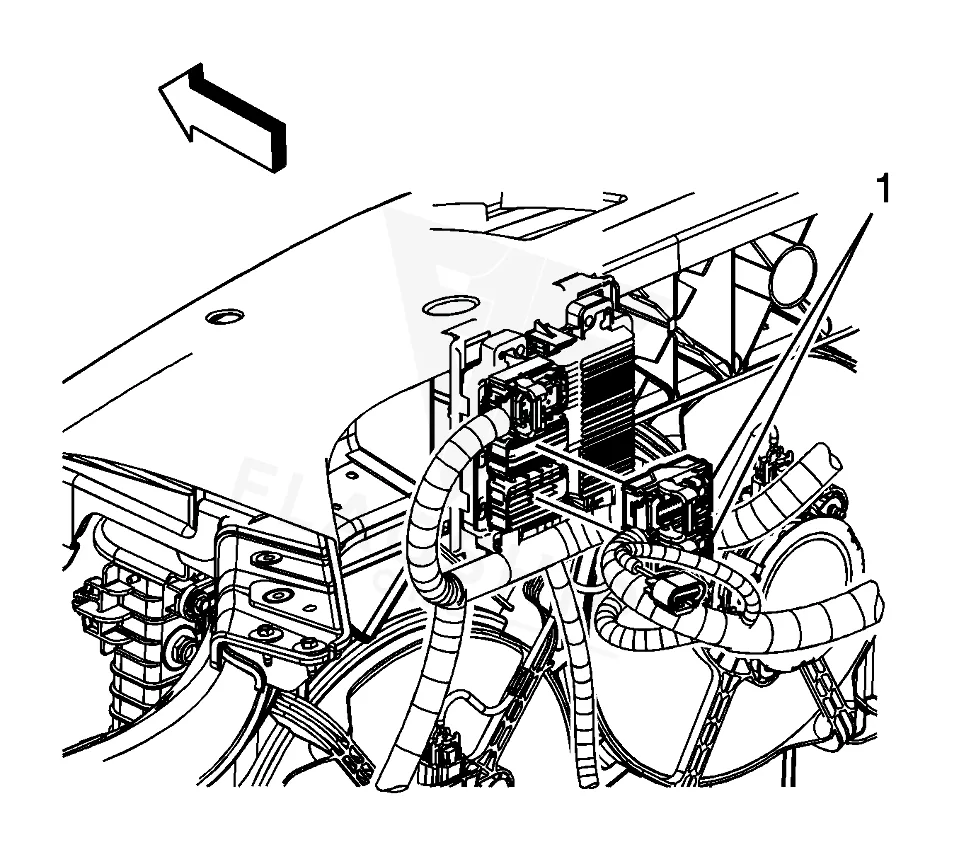
Work with the ignition off, and treat the module as static-sensitive: avoid touching the connector pins at any point.
| Operation | Configuration | Book Time |
|---|---|---|
| Powertrain Control Module R&R | All configurations | 0.9 hr |
| Engine Control Module R&R | All configurations | 0.9 hr |
| Engine Control Module Relearn | All configurations | 0.5 hr |
2014 Chevrolet Traverse
OEM programmed ECM for your 2014 Chevrolet Traverse — plug & play, no dealer visit.
Free shipping · Lifetime warranty
After installing a new ECM in your 2014 Chevrolet Traverse, the factory procedure requires reprogramming to match the vehicle’s VIN and calibration. This step ensures the module communicates correctly with other systems, preventing drivability issues or warning lights. Specialized equipment and software are necessary for this process, which can add time and complexity if not handled by a professional. However, a VIN-programmed replacement unit arrives pre-configured, eliminating the need for on-site programming. The factory also specifies a 0.5-hour relearn procedure to synchronize the ECM with the engine’s sensors. Skipping these steps may result in poor performance or stored trouble codes, so confirming proper programming is critical for a successful repair.
When the ECM in your 2014 Chevrolet Traverse begins to fail, symptoms often start subtly before worsening. You may notice the engine stalling unexpectedly, especially at idle or during deceleration, or the vehicle may hesitate or jerk during acceleration. A common early sign is the check-engine light illuminating, often accompanied by codes like internal control module memory checksum error, which indicates a fault within the module itself. Other potential issues include rough idling, reduced fuel economy, or the engine cranking but not starting. In some cases, the transmission may shift erratically or fail to engage gears properly, as the ECM plays a role in torque management. Dead scan-tool communication—a condition where diagnostic tools can’t connect to the ECM—is another red flag, often pointing to a complete module failure. If you experience any of these symptoms, addressing them promptly can prevent further damage to the vehicle’s electrical system.
The 2014 Chevrolet Traverse’s ECM may store specific trouble codes when internal faults occur. These codes help diagnose issues related to memory errors, communication failures, or calibration mismatches. Below are the documented module-internal trouble codes for this vehicle.
Two factory service bulletins relate to the ECM in the 2014 Chevrolet Traverse. Bulletin #PI1082 addresses a Malfunction Indicator Lamp (MIL) illuminating with DTC P069E, which may indicate a fault in the ECM’s fuel pump control circuit. Another bulletin, #09-06-04-026G, provides guidance on identifying non-GM (aftermarket) engine and transmission calibrations using diagnostic tools like the Tech 2 or GDS 2. This bulletin is particularly useful for verifying whether the ECM’s software matches the original factory specifications, which can affect performance and emissions compliance.
| Bulletin | Subject | What It Addresses |
|---|---|---|
| — | Malfunction Indicator Lamp (MIL) On, DTC P069E Set – (Oct 10, 2013) | — |
| 09-06-04-026 | Identifying Non-GM (Aftermarket) Engine and Transmission Calibrations for V6 and V8 Gasoline En | — |
The ECM controls fuel delivery and ignition timing. When it malfunctions, it may send incorrect signals to the injectors or coils, causing the engine to stall. This often happens at idle or low speeds, where precise control is critical. Stalling can also occur if the ECM loses communication with other modules, disrupting engine management.
Replacing the ECM is physically straightforward, but programming is required afterward. If you’re not equipped to handle the reprogramming and relearn procedures, the vehicle may not start or run correctly. Using a pre-programmed unit simplifies the process, but professional installation is still recommended for most owners.
Common causes include electrical surges from a failing alternator or improper jump-starting, moisture intrusion from damaged connectors, or internal component degradation over time. Poor grounding or aftermarket accessories connected improperly can also contribute to premature failure.
Start by scanning for trouble codes. If the ECM stores internal fault codes like P0601 or P0606, the module itself is likely the problem. Dead scan-tool communication is another strong indicator. If no codes are present, check for fuel pump, ignition, or sensor issues before condemning the ECM.
Yes, the factory requires reprogramming to match the vehicle’s VIN and calibration. This ensures the new ECM communicates properly with the engine and other systems. Skipping this step may result in poor performance, warning lights, or a no-start condition.
If your 2014 Chevrolet Traverse is experiencing ECM-related issues, you have options. A repair shop can diagnose and replace the module, though programming adds time and cost. Alternatively, a pre-programmed replacement unit eliminates the need for on-site programming, streamlining the process. Given the ECM’s critical role in engine management, addressing the problem promptly can restore reliable operation and prevent further electrical complications.
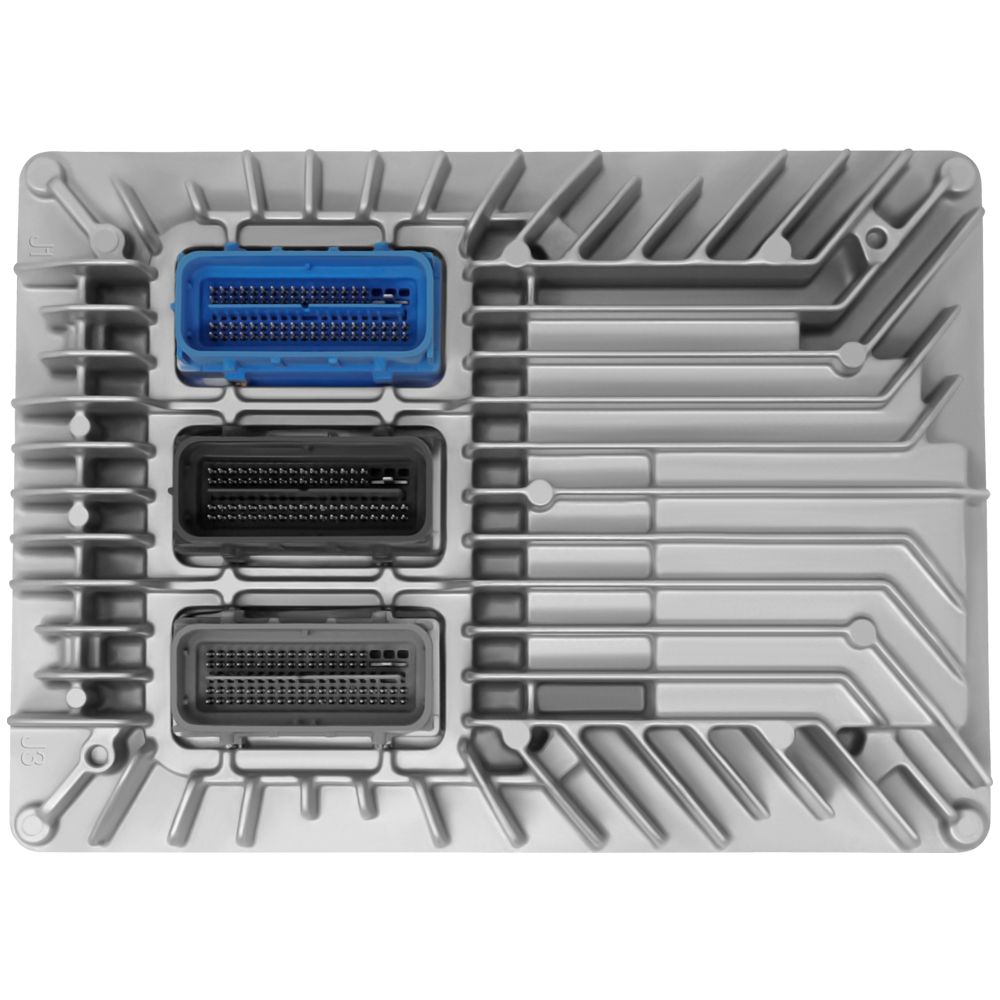
Flagship One stocks a refurbished, VIN-programmed PCM for the 2014 Chevrolet Traverse with a lifetime warranty, free shipping and no core charge.
The ECM in your 2014 Chevrolet Traverse is a vital component that ensures smooth engine operation. When it fails, symptoms like stalling, warning lights, or a no-start condition can disrupt your daily routine. Understanding the replacement process, from installation to programming, helps you make informed decisions about repairs. Whether you opt for professional service or a pre-configured replacement, addressing ECM issues promptly keeps your Traverse running reliably for years to come.