
Last updated on August 25th, 2026 at 12:23 pm
The Engine Control Module (ECM) in your 2011 Chevrolet Traverse is the central computer managing the 3.6L V6 engine’s fuel delivery, ignition timing, emissions, and transmission shifting. Internal memory failures can cause no-start conditions, stalling, and various check engine light codes.
If your 2011 Chevrolet Traverse is experiencing starting problems, stalling, or illuminated warning lights, the Engine Control Module may be the culprit. The ECM serves as the brain of your vehicle’s powertrain, continuously monitoring and adjusting engine operations to maintain performance and efficiency. Understanding how this module works, where it is located, and what the replacement process involves can help you make informed decisions about repairs. This guide covers the factory-specified labor procedures, programming requirements, common failure symptoms, and the specific trouble codes that indicate internal ECM problems in your Traverse. Whether you are diagnosing a current issue or proactively learning about your vehicle’s systems, the information here will equip you with practical knowledge about Engine Control Module service for the 2011 Chevrolet Traverse with the 3.6L V6 engine.
The Engine Control Module in your 2011 Chevrolet Traverse is a sophisticated on-vehicle computer that manages virtually every aspect of the 3.6L V6 engine’s operation. This module controls fuel injection quantity and timing, idle speed, ignition spark advance, emissions control systems, and it communicates with the transmission control module to coordinate shifting. The ECM receives input from dozens of sensors throughout the engine bay, processing this data in real time to optimize combustion for power, fuel economy, and emissions compliance. When the ECM functions properly, your Traverse starts quickly, runs smoothly, and maintains consistent fuel consumption. However, the ECM contains internal memory components that can fail over time due to voltage spikes, heat cycling, moisture intrusion, or simple component aging. When these internal memory areas become corrupted or damaged, the module may store fault codes, lose calibration data, or fail entirely to communicate with scan tools. Unlike sensors or connectors that can be cleaned or replaced individually, internal ECM failures typically require complete module replacement. This is why replacement engine computers for the Traverse must often be sourced as complete assemblies rather than repaired on a component level.
Flagship One keeps Chevrolet Traverse replacement engine computers in stock for exactly this failure pattern.
2011 Chevrolet Traverse
OEM programmed ECM for your 2011 Chevrolet Traverse — plug & play, no dealer visit.
Free shipping · Lifetime warranty
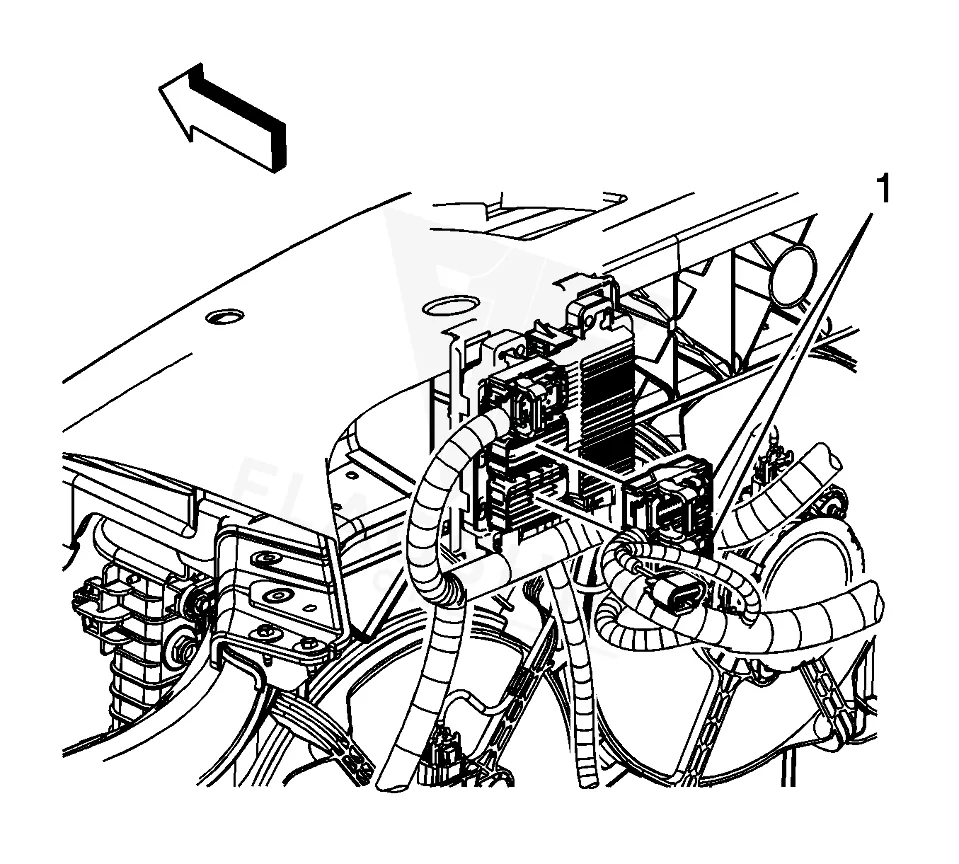
Work with the ignition off, and treat the module as static-sensitive: avoid touching the connector pins at any point.
| Operation | Configuration | Book Time |
|---|---|---|
| Powertrain Control Module R&R | All configurations | 0.9 hr |
| Engine Control Module R&R | All configurations | 0.9 hr |
| Engine Control Module Relearn | All configurations | 0.5 hr |
Following physical replacement of the Engine Control Module on your 2011 Chevrolet Traverse, the factory procedure requires that the ECM be reprogrammed with the correct vehicle-specific calibration file. This reprogramming process uses a scan tool with OEM software, connecting to the module to upload the proper program and calibration data that matches your vehicle’s Vehicle Identification Number, engine displacement, transmission type, and option content. Special equipment is required for this procedure, including the diagnostic tool with the appropriate software for GM vehicles and access to the correct calibration files. The reprogramming step is critical because without the proper calibration, the engine may run poorly, fail to start, or trigger additional fault codes. Flagship One addresses this requirement by shipping a VIN-programmed replacement unit that arrives pre-loaded with the exact calibration for your specific vehicle, eliminating the need for post-install programming in most cases. However, the relearn procedure mentioned in factory documentation will still need to be performed to allow the new ECM to optimize its adaptive tables for your engine’s unique characteristics.
Every VIN-programmed replacement unit from Flagship One arrives with these steps already completed.
When the Engine Control Module in a 2011 Chevrolet Traverse begins to fail, several distinct symptom patterns commonly emerge. One of the most frequent indicators is a no-start condition or hard-start situation where the engine cranks but fails to fire, often accompanied by a check engine light that may or may not illuminate. Stalling while driving at low speeds or at idle is another common complaint, particularly when the ECM loses its internal calibration or experiences intermittent memory faults. Misfire codes such as P0300 (random/multiple cylinder misfire) or specific cylinder misfire codes can appear when the ECM incorrectly calculates fuel delivery or ignition timing. In more severe cases, the scan tool may fail to communicate with the ECM entirely, displaying a connection error or showing zero data when attempting to access the module. Transmission shifting issues may also manifest, including harsh shifts, delayed shifts, or the transmission getting stuck in a failsafe mode, because the ECM coordinates shift functions with the transmission control module. The specific module-internal trouble codes that indicate ECM hardware failures include P0601 (internal memory check sum error), P0602 (internal memory calibration error), P0603 (internal KAM error), P0604 (internal random access memory error), P062F (internal control module processor performance), and P1621 (internal transmission control module processor fault). If these codes are present alongside drivability symptoms, the Engine Control Module itself is likely the root cause requiring replacement.
The 2011 Chevrolet Traverse with the 3.6L engine is documented to experience specific module-internal trouble codes that indicate failures within the Engine Control Module hardware itself rather than failures of external sensors or wiring. These codes are stored in the ECM’s internal memory and are not caused by typical sensor failures. When these codes appear, they point to corrupted memory checksums, failed internal RAM, or processor faults within the module that cannot be repaired through component-level service.
Factory service bulletin PIP4653D, released June 20, 2012, addresses diagnostic trouble codes P0601, P0603, P0604, P062F, or P1621 that may be stored in the Transmission Control Module on 2011 Chevrolet Traverse vehicles. The bulletin acknowledges that these codes can indicate internal ECM/TCM concerns and provides guidance for diagnosis and repair. This bulletin represents GM’s official acknowledgment that module-internal codes are a known issue pattern for this vehicle model year.
| Bulletin | Subject | What It Addresses |
|---|---|---|
| — | DTC’s P0601 P0603 P0604 P062F Or P1621 (Stored in the TCM) – (Jun 20, 2012) | — |
When your 2011 Chevrolet Traverse requires Engine Control Module replacement, you have two primary options: purchasing a new OEM unit from a dealership or selecting a professionally remanufactured replacement. New OEM modules are expensive and often require dealer programming appointments. Remanufactured units from a reputable supplier like Flagship One typically arrive pre-programmed with your vehicle’s specific VIN, saving you the programming step and associated costs. Given the complexity of the ECM and the need for precise calibration, choosing a unit that has been bench-tested and comes with a warranty provides peace of mind. The key is ensuring the replacement unit matches your vehicle’s exact configuration—the 3.6L engine and its specific transmission and option content.
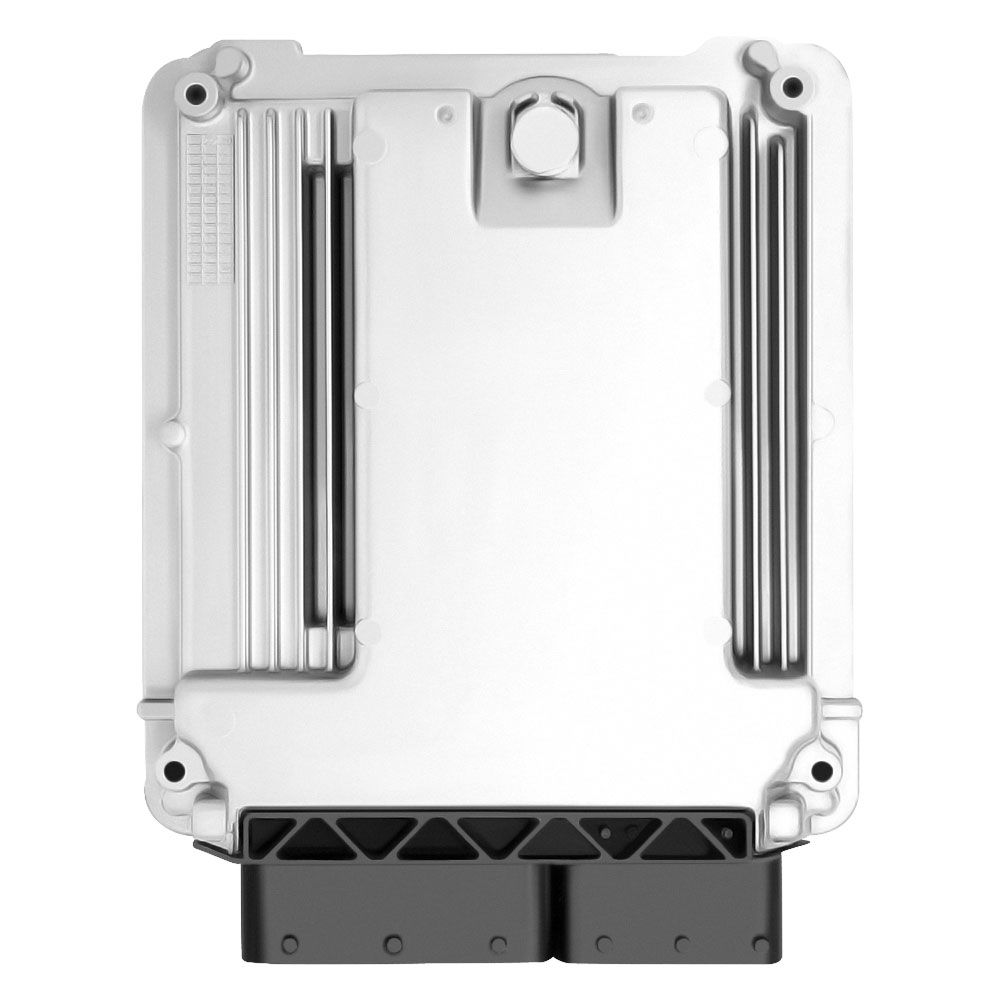
Flagship One stocks a refurbished, VIN-programmed PCM for the 2011 Chevrolet Traverse with a lifetime warranty, free shipping and no core charge.
The Engine Control Module is a critical component in your 2011 Chevrolet Traverse, managing engine and transmission functions that affect drivability, fuel economy, and reliability. When internal failure codes appear, replacement is typically necessary rather than repair. Understanding the factory labor times, programming requirements, and the specific symptoms associated with ECM failures helps you approach the repair with realistic expectations. Whether you choose a new or remanufactured replacement, ensuring the unit is properly programmed for your specific vehicle is essential for a successful repair.