
Last updated on August 25th, 2026 at 02:22 pm
The engine control module (ECM) in your 2014 Chevrolet Captiva Sport manages fuel delivery, ignition timing, and emissions systems. Internal failures may cause erratic engine behavior, stored trouble codes, or complete no-start conditions.
If your 2014 Chevrolet Captiva Sport suddenly refuses to start, stalls unexpectedly, or logs persistent trouble codes, the engine control module (ECM) may be the culprit. This small but critical computer manages everything from fuel injection to ignition timing, ensuring smooth operation. When it fails, symptoms can range from subtle drivability issues to a complete loss of engine function. Replacing the ECM isn’t just about swapping hardware—it involves precise programming to match your vehicle’s specifications. Understanding the process, labor requirements, and what to expect can help you make an informed decision without unnecessary delays or costs. Whether you’re diagnosing a no-start condition or addressing stored codes, knowing how the ECM functions in your Captiva Sport will guide you toward the right solution.
The engine control module in your 2014 Chevrolet Captiva Sport serves as the brain of the powertrain, continuously adjusting fuel delivery, ignition timing, and emissions controls based on sensor inputs. This ensures optimal performance, fuel efficiency, and compliance with emissions standards. When the ECM fails, it may disrupt these critical functions, leading to poor engine response, reduced power, or even a vehicle that won’t start. Replacement isn’t as simple as bolting in a new unit—it requires precise calibration to your vehicle’s VIN. replacement engine computers for the Captiva Sport are designed to restore full functionality, but the process involves more than just physical installation. The module’s location and the need for post-install programming make this a task best handled with the right tools and knowledge, especially since improper handling can lead to further issues or incomplete repairs.
2014 Chevrolet Captiva Sport: When Your
OEM programmed replacements — plug & play, no dealer visit.
Find yours by year, make & model →
Free shipping · Lifetime warranty
In the 2014 Chevrolet Captiva Sport, the engine control module is typically mounted near the engine bay, often secured behind a protective cover or bracket. Accessing it requires removing a few bolts or clips, and you may need to disconnect nearby components like the air intake or battery to reach it safely. The factory labor time for removal and replacement is 0.8 hours, which includes disconnecting the electrical connector, removing the old module, and installing the new one. While the physical swap is straightforward, proper reinstallation ensures the connector is fully seated and any protective seals are intact. Torque specifications for mounting bolts should be followed to prevent damage or misalignment, though these aren’t always explicitly listed in labor guides. Once installed, the module must be programmed to your vehicle’s VIN to function correctly.
| Operation | Configuration | Book Time |
|---|---|---|
| Powertrain Control Module R&R | All configurations | 0.8 hr |
| Engine Control Module R&R | All configurations | 0.8 hr |
| Engine Control Module Relearn | All configurations | 0.5 hr |
After replacing the engine control module in your 2014 Chevrolet Captiva Sport, the factory procedure requires a relearn process to synchronize the new unit with your vehicle’s systems. This typically involves using a scan tool to perform a module initialization, which can take up to 0.5 hours of labor. The relearn ensures the ECM recognizes the engine’s sensors, fuel system, and emissions components, preventing issues like poor performance or stored codes. However, when you install a VIN-programmed replacement unit, these steps are already completed, saving you time and potential frustration. The pre-programmed module arrives ready to communicate with your Captiva Sport’s systems, eliminating the need for additional dealer visits or specialized equipment. This streamlines the repair process, allowing you to focus on confirming the fix rather than troubleshooting programming errors.
A failing engine control module in your 2014 Chevrolet Captiva Sport may cause a range of symptoms, often starting with subtle drivability issues before escalating to more severe problems. You might notice the engine stalling unexpectedly, especially at idle or during deceleration, or experience rough running conditions that feel like misfires. In some cases, the vehicle may refuse to start altogether, leaving you stranded. Other common signs include poor fuel economy, reduced power during acceleration, or the check engine light illuminating with stored trouble codes. For example, a memory integrity fault often points to internal ECM corruption, while codes like P0606 may indicate processor failures. Communication issues with a scan tool can also occur, making diagnosis more challenging. If your Captiva Sport exhibits these symptoms, especially in combination, the ECM is a likely suspect and should be inspected promptly to avoid further complications.
The 2014 Chevrolet Captiva Sport’s engine control module may store specific internal trouble codes when it fails. These codes help pinpoint the issue and guide repairs. Below are the documented codes associated with ECM faults in this vehicle.
Common signs include stalling, no-start conditions, rough idling, or stored trouble codes like P0601 or P0606. If your vehicle exhibits these symptoms, the ECM may need replacement. A diagnostic scan can confirm the issue.
While the physical replacement is straightforward, the module requires programming to your vehicle’s VIN. Without the proper tools, you may not be able to complete the installation. Professional assistance is often recommended.
Skipping the relearn may result in poor engine performance, stored trouble codes, or a vehicle that won’t start. The ECM must synchronize with your Captiva Sport’s systems to function correctly.
Ignoring ECM-related codes may lead to further damage, such as fuel system issues or emissions failures. Addressing the problem early can prevent more costly repairs down the line.
Flagship One units are designed to meet or exceed OEM specifications, and they arrive pre-programmed to your VIN. Contact their support team for details on warranty coverage.
If your 2014 Chevrolet Captiva Sport is experiencing ECM-related issues, you have options for repair or replacement. A refurbished or new module can restore full functionality, especially when pre-programmed to your VIN. While dealer programming adds time and cost, a ready-to-install unit simplifies the process. Consider your vehicle’s needs and your budget to decide the best path forward, whether it’s a dealer visit or a direct replacement solution.
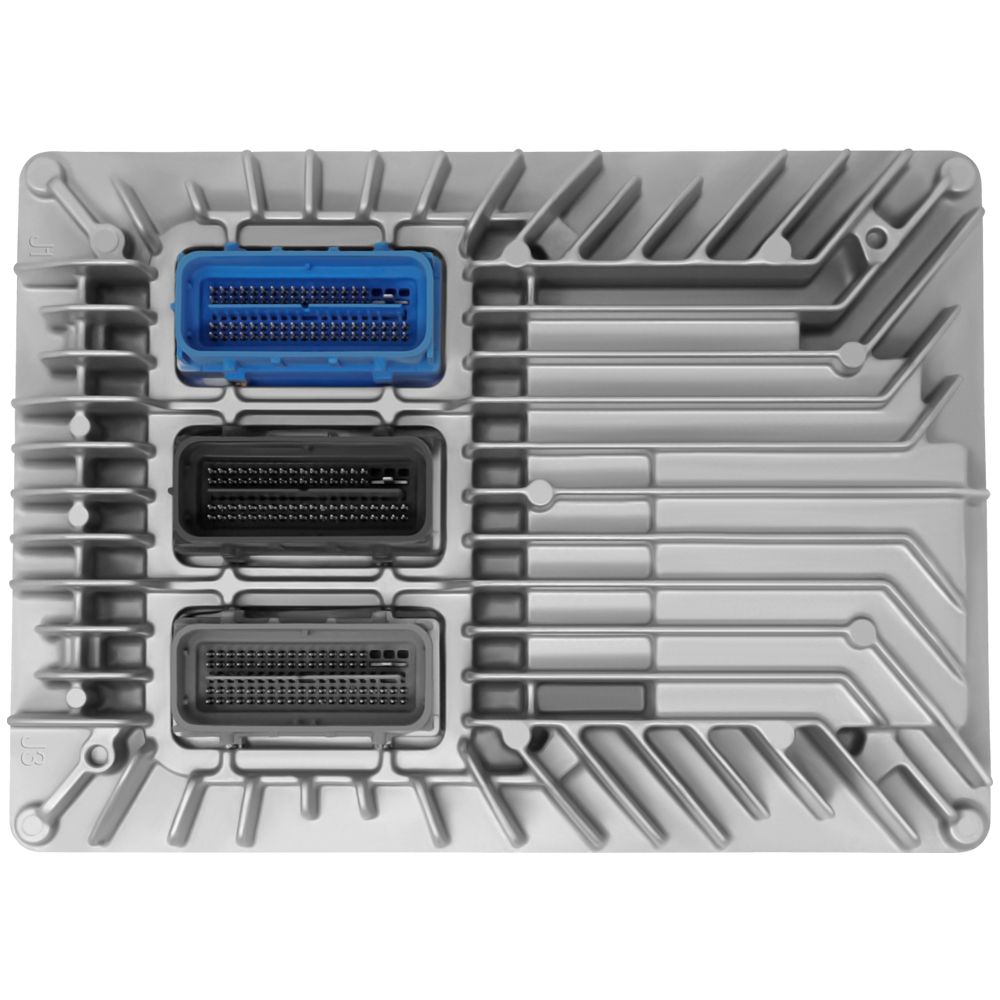
Flagship One stocks a refurbished, VIN-programmed PCM for the 2014 Chevrolet Captiva Sport with a lifetime warranty, free shipping and no core charge. The full Chevrolet Captiva Sport module lineup covers other engine configurations as well.
The engine control module in your 2014 Chevrolet Captiva Sport plays a critical role in keeping your vehicle running smoothly. If you’re dealing with stalling, no-start conditions, or persistent trouble codes, a failing ECM may be the cause. Replacing it involves careful installation and programming, but with the right approach, you can restore reliability. Whether you opt for a dealer repair or a pre-programmed replacement, addressing the issue promptly will help keep your Captiva Sport on the road.