
Last updated on August 25th, 2026 at 02:23 pm
The engine control module in the 2013 Chevrolet Captiva Sport manages critical fuel and ignition timing. When this electronic component fails, it typically leads to poor engine performance, erratic idling, or a complete failure to start, often triggering internal processor error codes.
Facing an engine management failure in a 2013 Chevrolet Captiva Sport can lead to a variety of operational hurdles, from unexpected stalling to a vehicle that simply will not fire. The engine control module, often referred to as the ECM, acts as the central processing hub for the 2.4L engine, coordinating everything from air-fuel ratios to spark timing. When this hardware degrades or suffers an internal electrical fault, the vehicle may enter a limp mode or fail to communicate with diagnostic tools entirely. Understanding the nuances of this module is essential for any technician or owner attempting to restore reliable operation. By reviewing the specific installation requirements, labor expectations, and the critical nature of the programming process, you can ensure the repair is handled correctly. This guide provides the technical context necessary to navigate the replacement of the ECM while avoiding common pitfalls, such as electrostatic damage or calibration errors, ensuring your 2013 Chevrolet Captiva Sport returns to its intended performance levels.
The engine control module in the 2013 Chevrolet Captiva Sport is a sophisticated onboard computer that continuously monitors a wide array of sensors to optimize engine efficiency and emissions. It processes data from the crankshaft position sensor, oxygen sensors, and mass airflow sensor to determine the exact amount of fuel to inject and the precise moment to trigger the ignition spark. This constant adjustment is what allows the 2.4L engine to maintain stability across various loads and temperatures. Because it manages such critical functions, a malfunctioning unit can cause the engine to run lean or rich, potentially leading to catalyst damage or poor fuel economy. When sourcing replacement engine computers for the 2013 Chevrolet Captiva Sport, it is important to recognize that the module is not merely a passive part but a programmed device tailored to the specific emissions and performance standards of the vehicle. If the internal circuitry fails, the communication between the engine and the transmission may be disrupted, which often results in harsh shifting or an inability to accelerate. The ECM ensures that all subsystems work in harmony, making it the most vital electronic component for the mechanical health of the powertrain.
2013 Chevrolet Captiva Sport
OEM programmed ECM for your 2013 Chevrolet Captiva Sport — plug & play, no dealer visit.
Free shipping · Lifetime warranty
The module is located in the engine bay for accessibility. Replacing the engine control module typically involves 0.8 hours of labor for the removal and installation process. Similarly, the powertrain control module R&R is listed at 0.8 hours. Before beginning the physical removal, you must disconnect the negative battery cable to power down the system. A critical factory caution is to avoid touching the connector pins, as this prevents potential electrostatic discharge damage to the sensitive internal components of the ECM. Once the hardware is physically swapped, a relearn procedure is often necessary, which typically adds 0.5 hours to the total service time.
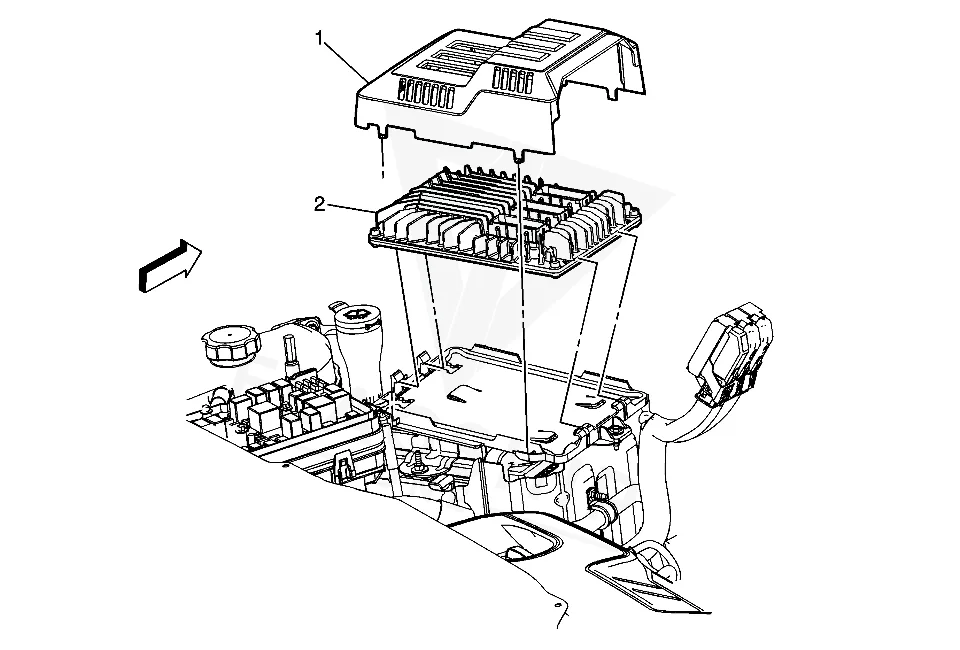
Work with the ignition off, and treat the module as static-sensitive: avoid touching the connector pins at any point.
| Operation | Configuration | Book Time |
|---|---|---|
| Powertrain Control Module R&R | All configurations | 0.8 hr |
| Engine Control Module R&R | All configurations | 0.8 hr |
| Engine Control Module Relearn | All configurations | 0.5 hr |
Factory guidelines dictate that if the ECM is replaced, the new unit must be reprogrammed to match the vehicle. This process requires the use of a scan tool to capture existing ECM data before the original module is removed. Furthermore, specialized equipment and the specific calibration and program for the 2013 Chevrolet Captiva Sport are necessary for a successful flash. Because these steps can be time-consuming and require expensive dealership-level tools, using a VIN-programmed replacement unit from Flagship One streamlines the process. Our modules arrive with the correct vehicle information already imaged, which typically eliminates the need for the initial factory programming and calibration steps.
A failing ECM in the 2013 Chevrolet Captiva Sport often manifests as erratic engine behavior. You may experience a sudden no-start condition or intermittent stalling while idling at a stop. In some cases, the vehicle may suffer from random misfires that do not correlate with spark plug or coil failure. A common sign of hardware degradation is the loss of communication with a scan tool, where the computer simply stops responding to requests for data. You might also notice shifting irregularities if the engine and transmission are not communicating effectively. These issues are often accompanied by specific internal fault codes, such as an internal processor failure P0601 which indicates the module’s internal memory or logic has failed. Other symptoms can include a sudden drop in fuel economy or the engine failing to enter closed-loop operation, causing the vehicle to run poorly regardless of the mechanical condition of the engine.
The following internal trouble codes are specifically documented as module-internal faults for the 2013 Chevrolet Captiva Sport, indicating a failure within the ECM hardware itself.
While the hardware may be identical, the module is programmed to a specific VIN. A swap will typically require reprogramming to ensure the vehicle operates correctly and passes emissions.
Disconnecting the battery prevents accidental short circuits and protects the module from power surges during the removal and installation process.
Touching the pins can introduce electrostatic discharge, which may permanently damage the sensitive internal circuitry of the ECM.
The labor guide typically allocates 0.5 hours for the engine control module relearn procedure after installation.
If the misfire is caused by a processor fault or incorrect timing signals from the ECM, a replacement will help. However, mechanical issues like bad plugs or coils should be ruled out first.
When deciding between attempting a complex board-level repair and opting for a professional replacement, consider the reliability of your 2013 Chevrolet Captiva Sport. While some may attempt to patch old hardware, a refurbished or new replacement module provides a more consistent solution. Choosing a unit specifically calibrated for your vehicle’s 2.4L engine ensures that the complex interaction between fuel and spark is restored to factory standards.
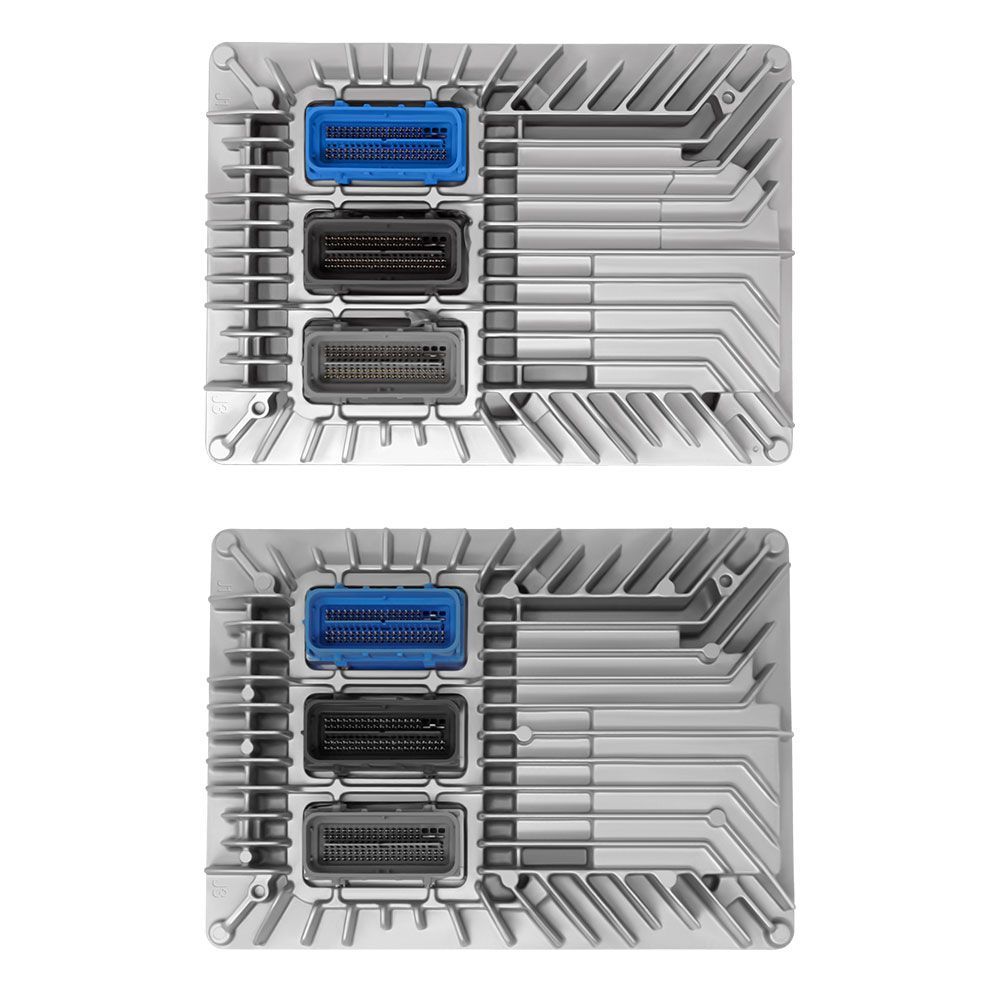
Flagship One stocks a refurbished, VIN-programmed PCM for the 2013 Chevrolet Captiva Sport with a lifetime warranty, free shipping and no core charge. The full Chevrolet Captiva Sport module lineup covers other engine configurations as well.
Properly replacing the engine control module in your 2013 Chevrolet Captiva Sport requires attention to both physical handling and electronic calibration. By following ESD precautions and ensuring the correct programming is applied, you can resolve stalling and no-start issues effectively. For a streamlined repair, consider a pre-programmed solution to get your 2013 Chevrolet Captiva Sport back on the road quickly.