2010 Scion xB PCM and ECM Replacement Guide
In the 2010 Scion xB, the powertrain control module (PCM) and engine control module (ECM) manage fuel, ignition, and transmission functions. Internal failure can cause no-start, stalling, or drivability issues, often indicated by trouble codes P0604 or P0606.
Quick Summary
- The PCM and ECM replacement book time is 0.6 hours each for the 2010 Scion xB.
- An additional 0.5 hours is required for an ECM relearn procedure after replacement.
- Factory service bulletin S-SB-0003-10 covers Techstream ECU flash reprogramming for 04-11 Scion vehicles.
- Module-internal trouble codes P0604 and P0606 are documented for this vehicle.
If you own a 2010 Scion xB with the 2.4L engine and are experiencing drivability issues, the powertrain control module (PCM) or engine control module (ECM) may be at fault. These modules are the brain of your vehicle’s engine and transmission management, controlling fuel delivery, ignition timing, and shift points. When they fail, you may encounter no-start conditions, stalling, or check-engine lights with specific trouble codes. This guide covers the symptoms, replacement labor times, and the factory-required programming procedure. Understanding these steps helps you decide whether to repair or replace the module, and what to expect from a pre-programmed unit.
What the PCM Does in a 2010 Scion xB
The PCM and ECM in your 2010 Scion xB are integrated control units that process sensor inputs and command actuators to keep the engine running efficiently. They also manage the automatic transmission’s shift schedule. When these modules fail, the vehicle may not start, run poorly, or store internal fault codes like P0604 or P0606. If you need a replacement, you can find replacement PCMs for the Scion xB that are built to match the original specifications. The module’s role is critical because it adapts to driving conditions and ensures emissions compliance, so a properly functioning unit is essential for reliable operation.
Where the PCM Is Located and What Replacement Involves
The PCM/ECM in the 2010 Scion xB is typically mounted in the engine compartment, though the exact location may vary. Replacement labor is listed at 0.6 hours for either the PCM or ECM removal and installation. An additional 0.6 hours is noted for the PCM R&R, and 0.5 hours for an ECM relearn procedure. Access may require removing the air cleaner housing or other components, but no specific torque values are provided in the available data. The book times reflect a straightforward swap for a trained technician, though actual time can vary based on corrosion or connector access.
| Operation | Configuration | Book Time |
|---|---|---|
| Powertrain Control Module R&R | All configurations | 0.6 hr |
| Engine Control Module Relearn | All configurations | 0.5 hr |
| Engine Control Module R&R | All configurations | 0.6 hr |
Programming Requirements After Replacement
After replacing the PCM or ECM in a 2010 Scion xB, the factory procedure requires a Techstream ECU flash reprogramming, as outlined in service bulletin S-SB-0003-10. This step ensures the module is configured with the correct calibration for your vehicle’s VIN and options. However, when you purchase a VIN-programmed replacement unit from Flagship One, that flash reprogramming is already completed before shipping. This means the module arrives ready to install, eliminating the need for a dealer visit or specialized scan tool to perform the factory relearn procedure.
Symptoms of a Failing PCM
A failing PCM or ECM in the 2010 Scion xB can cause a range of symptoms. The engine may crank but not start, or it may stall unexpectedly while driving. You might notice rough idling, misfire codes, or poor acceleration. Transmission shifting can become erratic or delayed. Communication with a scan tool may be lost, and the check-engine light may illuminate with codes such as internal control module fault P0604. Other common signs include reduced fuel economy and the vehicle entering a limp-home mode. If you experience any of these issues, diagnosing the module early can prevent further drivability problems.
Module Trouble Codes on the 2010 Scion xB
The following module-internal trouble codes are documented for the 2010 Scion xB: P0604 and P0606. These codes indicate internal PCM/ECM faults that typically require module replacement rather than sensor or wiring repairs.
| Code | Meaning | Full Guide |
|---|---|---|
| P0604 | Internal RAM error | Full P0604 guide → |
| P0606 | Module processor failure | Full P0606 guide → |
Factory Service Bulletins Worth Knowing
Factory service bulletin S-SB-0003-10 applies to 04-11 applicable Scion vehicles, including the 2010 Scion xB. It describes the Techstream ECU flash reprogramming procedure, which is required after replacing the PCM or ECM. This bulletin ensures the module receives the latest calibration data for proper operation. The procedure involves connecting a Techstream diagnostic tool to the vehicle and following the manufacturer’s steps to update the module’s software. This TSB is relevant for any technician performing a module replacement on this vehicle.
| Bulletin | Subject | What It Addresses |
|---|---|---|
| — | 04-11 Applicable Scion Vehicles: Techstream ECU Flash Reprogramming Procedure | — |
Protecting the PCM in Your 2010 Scion xB
- Maintain a healthy charging system; voltage spikes from a failing alternator can damage the PCM/ECM.
- Keep all ground connections and module connectors clean and tight to prevent intermittent faults.
- Avoid jump-starting the vehicle with a running donor car; use a battery pack or follow proper procedures to limit voltage surges.
- Address any diagnostic trouble codes promptly, especially P0604 or P0606, to prevent further module degradation.
- Inspect the module connector seals for damage or moisture intrusion, which can cause internal corrosion.
Frequently Asked Questions
What are the common symptoms of a bad PCM in a 2010 Scion xB?
Common symptoms include no-start, stalling, rough running, misfire codes, and transmission shifting issues. You may also see trouble codes P0604 or P0606, which indicate internal module faults.
How long does it take to replace the PCM on a 2010 Scion xB?
The book labor time for PCM removal and installation is 0.6 hours. An additional 0.5 hours is listed for an ECM relearn procedure. Actual time may vary based on access and condition of connectors.
Do I need to reprogram the PCM after replacing it on a 2010 Scion xB?
Yes, the factory requires a Techstream ECU flash reprogramming as per bulletin S-SB-0003-10. However, if you purchase a VIN-programmed unit from Flagship One, that programming is already completed, so no further steps are needed.
When your 2010 Scion xB needs a new PCM or ECM, you have two main options: have a shop repair the original module or replace it with a refurbished unit. Repair may be possible for some internal faults, but replacement often provides a more reliable long-term solution. A refurbished module that is pre-programmed with your VIN can save time and ensure proper operation without a dealer visit.
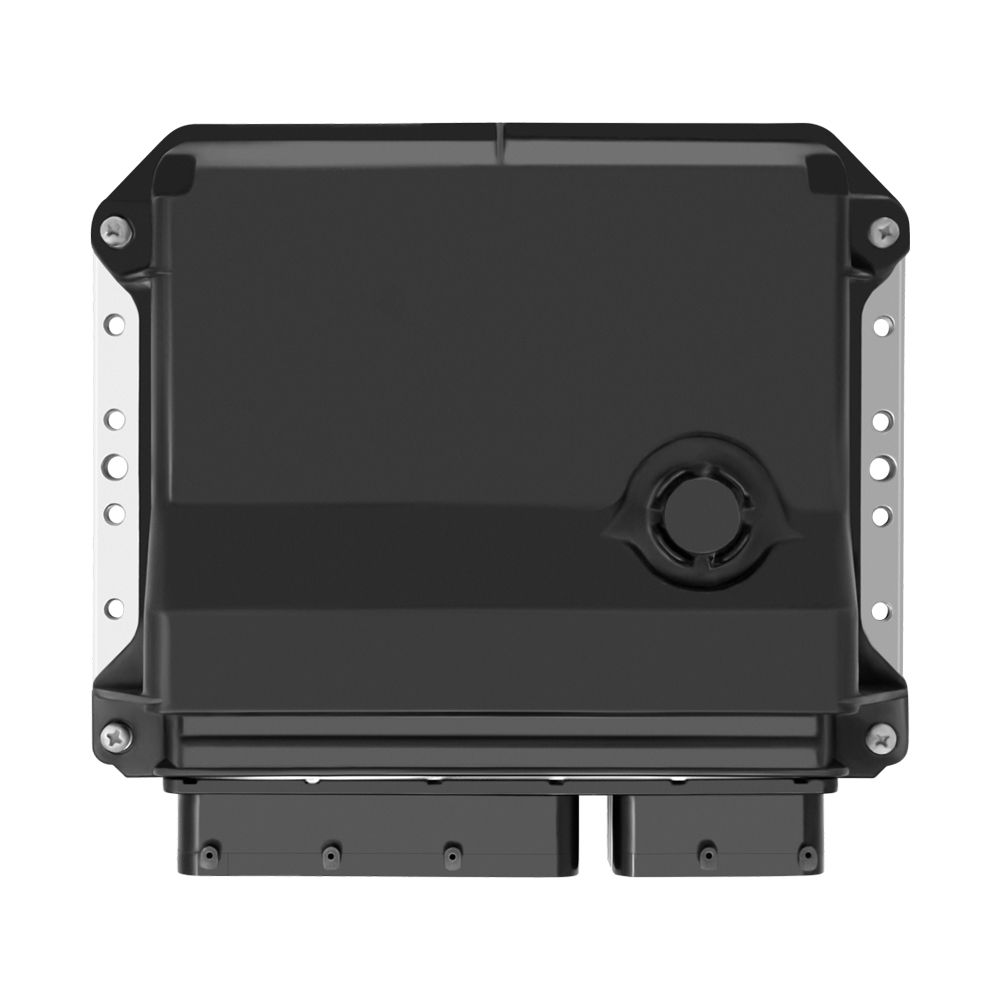
Flagship One stocks a refurbished, VIN-programmed PCM for the 2010 Scion xB with a lifetime warranty, free shipping and no core charge. The full Scion xB module lineup covers other engine configurations as well.
Final Thoughts
The 2010 Scion xB relies on its PCM and ECM for smooth engine and transmission operation. Recognizing symptoms like no-start or trouble codes P0604 and P0606 early can help you address module failure promptly. With a pre-programmed replacement unit, you can restore your vehicle’s performance without the added step of a factory flash procedure.