
Last updated on August 25th, 2026 at 01:33 pm
The Powertrain Control Module (PCM) in your 2010 Ford Transit Connect acts as the vehicle’s central computer, managing engine performance, fuel delivery, and transmission behavior. A failing PCM may disrupt communication with sensors, leading to poor drivability, warning lights, or complete engine shutdown.
If your 2010 Ford Transit Connect has been stalling unexpectedly, refusing to start, or throwing cryptic check-engine lights, the Powertrain Control Module (PCM) may be the culprit. This compact but critical computer oversees nearly every aspect of engine and transmission operation, from fuel injection timing to shift points. When it fails, the symptoms can range from subtle drivability quirks to a complete loss of function. Replacing the PCM isn’t just about swapping a box—it involves precise installation and a factory-required relearn procedure to ensure the new unit syncs with your vehicle’s sensors and systems. Understanding the role of the PCM, recognizing failure symptoms, and knowing what the replacement process entails can save you time, frustration, and unnecessary diagnostic guesswork. Whether you’re a DIYer or working with a shop, this guide will walk you through what to expect and how to get your Transit Connect back on the road reliably.
The Powertrain Control Module (PCM) in your 2010 Ford Transit Connect serves as the brain of the engine and transmission, continuously processing data from sensors to optimize performance, fuel efficiency, and emissions. It adjusts ignition timing, fuel mixture, and shift schedules in real time, ensuring smooth operation under varying conditions. Without a functioning PCM, your vehicle may struggle to start, run erratically, or even enter a protective limp mode to prevent damage. The module also stores diagnostic trouble codes when it detects anomalies, which mechanics use to pinpoint issues. Over time, electrical stress, heat, or voltage spikes can degrade the PCM’s internal components, leading to intermittent or permanent failures. When replacement becomes necessary, replacement engine computers for the Transit Connect are available to restore full functionality, but proper installation and programming are essential to avoid further issues.
2010 Ford Transit Connect
OEM programmed ECM for your 2010 Ford Transit Connect — plug & play, no dealer visit.
Free shipping · Lifetime warranty
In the 2010 Ford Transit Connect, the PCM is located in the engine bay, typically mounted near the firewall or on the driver’s side strut tower. Accessing it requires removing a protective cover or air intake duct, depending on the vehicle’s configuration. The module is secured with a single bolt or clip, and its electrical connector is held in place by a locking tab. Disconnecting the battery before removal is recommended to prevent electrical shorts or voltage spikes. Reinstalling the PCM involves reversing these steps: securing the module, reconnecting the electrical harness, and ensuring all fasteners are tightened properly. The factory labor guide estimates 0.6 hours for removal and reinstallation, though additional time may be needed if corrosion or damaged connectors complicate the process.
| Operation | Configuration | Book Time |
|---|---|---|
| Powertrain Control Module R&R | All configurations | 0.6 hr |
| Powertrain Control Module Relearn | All configurations | 0.5 hr |
| Engine Control Module Relearn | All configurations | 0.5 hr |
| Engine Control Module R&R | All configurations | 0.6 hr |
After replacing the PCM in your 2010 Ford Transit Connect, the factory procedure requires a relearn process to synchronize the new module with the vehicle’s sensors and systems. This typically involves using a scan tool to reset adaptive values, clear stored codes, and recalibrate the engine and transmission parameters. The process can take up to 0.5 hours of labor, depending on the tools and software used. However, if you install a VIN-programmed replacement unit, these steps are already completed, saving you time and eliminating the need for dealer programming. The module arrives configured to your vehicle’s specific calibration, allowing for a plug-and-play installation that minimizes downtime and reduces the risk of post-installation issues.
A failing PCM in your 2010 Ford Transit Connect can manifest in several ways, often mimicking other mechanical or electrical problems. Common symptoms include intermittent stalling, especially at idle or during deceleration, as the module loses its ability to regulate fuel and ignition timing. You may also experience a no-start condition, where the engine cranks but refuses to fire, or sudden surges in RPM while driving. Warning lights, such as the check-engine or transmission indicator, may illuminate, and the vehicle might enter a reduced-power mode to prevent further damage. Diagnostic scans often reveal module-specific codes, like an internal processor fault, which directly point to PCM issues. Other signs include poor fuel economy, rough shifting, or a complete loss of communication with scan tools, leaving you stranded with limited diagnostic options. If you notice any of these symptoms, addressing them promptly can prevent more severe drivability problems or even a complete breakdown.
The 2010 Ford Transit Connect’s PCM may log specific trouble codes when internal faults are detected. These codes help narrow down the issue to the module itself, rather than related sensors or wiring. One documented code for this vehicle is P0606, which indicates a problem with the PCM’s processor.
| Code | Meaning | Full Guide |
|---|---|---|
| P0606 | Module processor failure | Full P0606 guide → |
Look for symptoms like stalling, no-start conditions, or warning lights on the dashboard. A diagnostic scan may reveal codes such as P0606, which specifically indicates an internal PCM fault. If the vehicle struggles to communicate with a scan tool, the PCM is a likely culprit.
Yes, if you’re comfortable working with electrical components. The PCM is accessible in the engine bay, and replacement involves removing a cover, disconnecting the battery, and swapping the module. However, the factory requires a relearn procedure afterward, which may require a scan tool or professional assistance.
The relearn process ensures the new PCM synchronizes with the vehicle’s sensors, adaptive fuel trims, and transmission shift patterns. Without it, the engine may run poorly, shift erratically, or log additional trouble codes. The procedure typically takes 0.5 hours of labor.
Skipping the relearn may result in poor engine performance, rough shifting, or persistent warning lights. The vehicle might also enter a reduced-power mode to protect itself from potential damage. Over time, this can lead to further drivability issues or even additional component failures.
A used PCM may work, but it carries risks. The module must be compatible with your vehicle’s calibration, and it may require reprogramming to match your VIN. Additionally, used units can have hidden faults or wear that lead to premature failure. A new or remanufactured unit is often a more reliable choice.
If your 2010 Ford Transit Connect is showing signs of PCM failure, you have options. A repair shop can diagnose and replace the module, but the factory-required relearn procedure adds time and cost. Alternatively, a pre-programmed replacement unit eliminates the need for post-installation programming, allowing for a faster, more straightforward fix. Whether you choose to tackle the job yourself or leave it to a professional, addressing the issue promptly will restore your vehicle’s reliability and performance.
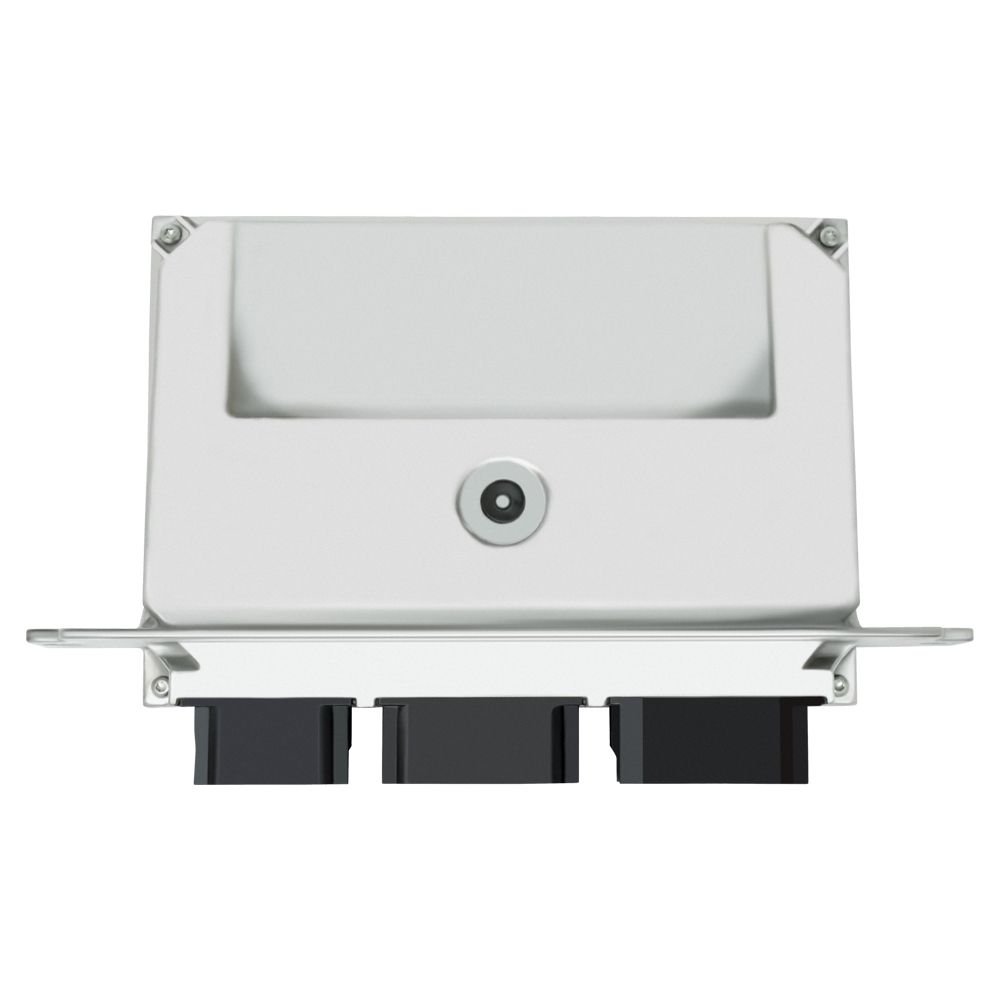
Flagship One stocks a refurbished, VIN-programmed PCM for the 2010 Ford Transit Connect with a lifetime warranty, free shipping and no core charge. The full Ford Transit Connect module lineup covers other engine configurations as well.
The PCM in your 2010 Ford Transit Connect plays a vital role in keeping your engine running smoothly. When it fails, the symptoms can be frustrating and unpredictable, but replacement is a manageable process. By understanding the module’s function, recognizing the warning signs, and choosing the right replacement option, you can get your Transit Connect back on the road with minimal downtime. Whether you opt for a DIY approach or professional installation, addressing PCM issues promptly will help ensure long-term reliability.