
Last updated on August 25th, 2026 at 01:14 pm
The Powertrain Control Module (PCM) in your 2015 Ford Transit Connect manages engine and transmission functions. A failure may cause drivability issues, including stalling, poor performance, or a complete no-start condition. Internal faults often trigger diagnostic trouble codes like P0606.
If your 2015 Ford Transit Connect has been stalling unexpectedly, refusing to start, or flashing a check engine light with a P0606 code, the Powertrain Control Module (PCM) may be at fault. This small but critical computer oversees everything from fuel delivery to transmission shifting, and when it fails, your vehicle’s performance can suffer dramatically. Replacing the PCM isn’t just about swapping a part—it involves precise labor steps, a relearn procedure, and often, reprogramming to match your vehicle’s unique specifications. Understanding the process helps you avoid unnecessary delays and ensures your Transit Connect runs reliably. This guide covers what the PCM does, how to recognize its failure, and what to expect during replacement and reprogramming, so you can make informed decisions about your vehicle’s repair.
The Powertrain Control Module (PCM) in your 2015 Ford Transit Connect acts as the brain of the engine and transmission systems. It continuously monitors inputs from sensors—like throttle position, oxygen levels, and engine temperature—to adjust fuel injection, ignition timing, and transmission shifting in real time. This ensures optimal performance, fuel efficiency, and emissions compliance. When the PCM malfunctions, your vehicle may experience erratic behavior, such as rough idling, poor acceleration, or even a complete failure to start. The module’s role is especially critical in the Transit Connect’s 1.6L engine, where precise control over combustion is necessary for smooth operation. If replacement becomes necessary, replacement engine computers for the Transit Connect are designed to restore functionality without the guesswork of used or incompatible parts. Without a properly functioning PCM, your vehicle’s drivability and safety could be compromised, making timely diagnosis and repair essential.
2015 Ford Transit Connect
OEM programmed ECM for your 2015 Ford Transit Connect — plug & play, no dealer visit.
Free shipping · Lifetime warranty
In the 2015 Ford Transit Connect, the PCM is located in the engine bay, typically mounted near the firewall or on the driver’s side inner fender. Accessing it requires removing the engine cover and possibly disconnecting nearby components like the battery or air intake duct. The replacement process involves unbolting the old module, disconnecting its electrical connectors, and installing the new unit. Labor time for removing and reinstalling the PCM on the 1.6L engine is estimated at 0.6 hours. After installation, the module must be relearned to the vehicle’s systems, which adds another 0.5 hours of labor. This step ensures the PCM synchronizes with the engine, transmission, and other critical components. While the physical replacement is straightforward, the relearn procedure is essential for proper operation and may require specialized diagnostic equipment.
Work with the ignition off, and treat the module as static-sensitive: avoid touching the connector pins at any point.
| Operation | Configuration | Book Time |
|---|---|---|
| Powertrain Control Module R&R | All configurations | 0.7 hr |
| Powertrain Control Module Relearn | All configurations | 0.5 hr |
| Engine Control Module Relearn | All configurations | 0.5 hr |
| Engine Control Module R&R | 1.6L | 0.6 hr |
| Engine Control Module R&R | 2.5L | 0.5 hr |
| Engine Control Module Reset | All configurations | 0.3 hr |
After replacing the PCM in your 2015 Ford Transit Connect, the factory procedure requires reprogramming the module to match your vehicle’s VIN and specific configurations. This step, often referred to as a PATS (Passive Anti-Theft System) relearn, ensures the module communicates correctly with the engine, transmission, and security systems. The process typically involves using Ford’s diagnostic equipment to perform the relearn, which can add 0.5 hours of labor to the job. However, when you install a VIN-programmed replacement unit, this step is already completed. Flagship One modules arrive pre-programmed to your vehicle’s specifications, saving you time and eliminating the need for on-site reprogramming. This means your Transit Connect can be back on the road faster, with fewer opportunities for errors during the setup process.
When the PCM in your 2015 Ford Transit Connect begins to fail, you may notice a range of symptoms that can disrupt your driving experience. One of the most common signs is a no-start condition, where the engine cranks but refuses to fire up. Stalling at idle or while driving is another frequent issue, often accompanied by rough idling or hesitation during acceleration. The check engine light may illuminate, and a scan tool could reveal module-internal trouble codes like an internal processor fault. Other symptoms include poor fuel economy, erratic shifting in the automatic transmission, or even a complete loss of communication with the vehicle’s diagnostic system. In some cases, the vehicle may enter a “limp mode,” limiting engine power to prevent further damage. These symptoms can be intermittent at first but often worsen over time, making early diagnosis and repair critical to avoiding a breakdown.
The 2015 Ford Transit Connect’s PCM may store specific trouble codes when internal faults occur. These codes help pinpoint the source of drivability issues and guide the repair process. Below are the documented module-internal trouble codes for this vehicle.
| Code | Meaning | Full Guide |
|---|---|---|
| P0606 | Module processor failure | Full P0606 guide → |
Common signs include a no-start condition, stalling, rough idling, or the check engine light illuminating with codes like P0606. If your vehicle exhibits these symptoms, a diagnostic scan can confirm whether the PCM is the likely cause.
While the physical replacement is straightforward, the process requires a relearn procedure and, in some cases, reprogramming. Without the proper diagnostic equipment, you may not be able to complete the job successfully. Professional installation is recommended.
The relearn procedure ensures the new PCM synchronizes with your vehicle’s engine, transmission, and security systems. Without this step, the module may not function correctly, leading to drivability issues or a no-start condition.
Ignoring a P0606 code can lead to worsening symptoms, such as stalling, poor performance, or even a complete failure to start. Over time, the issue may cause additional damage to other components, increasing repair costs.
Driving with a failing PCM can be unpredictable. The vehicle may stall unexpectedly or enter limp mode, limiting engine power. If you suspect PCM failure, it’s best to have it diagnosed and repaired as soon as possible to avoid a breakdown.
If your 2015 Ford Transit Connect is experiencing PCM-related issues, you have options for repair. A refurbished or new replacement module can restore functionality, but it’s important to choose one that’s pre-programmed to your vehicle’s specifications. This eliminates the need for on-site reprogramming and reduces the risk of installation errors. Whether you opt for a dealer replacement or a VIN-programmed aftermarket unit, ensuring the module is compatible with your Transit Connect’s 1.6L engine is key to a smooth repair process.
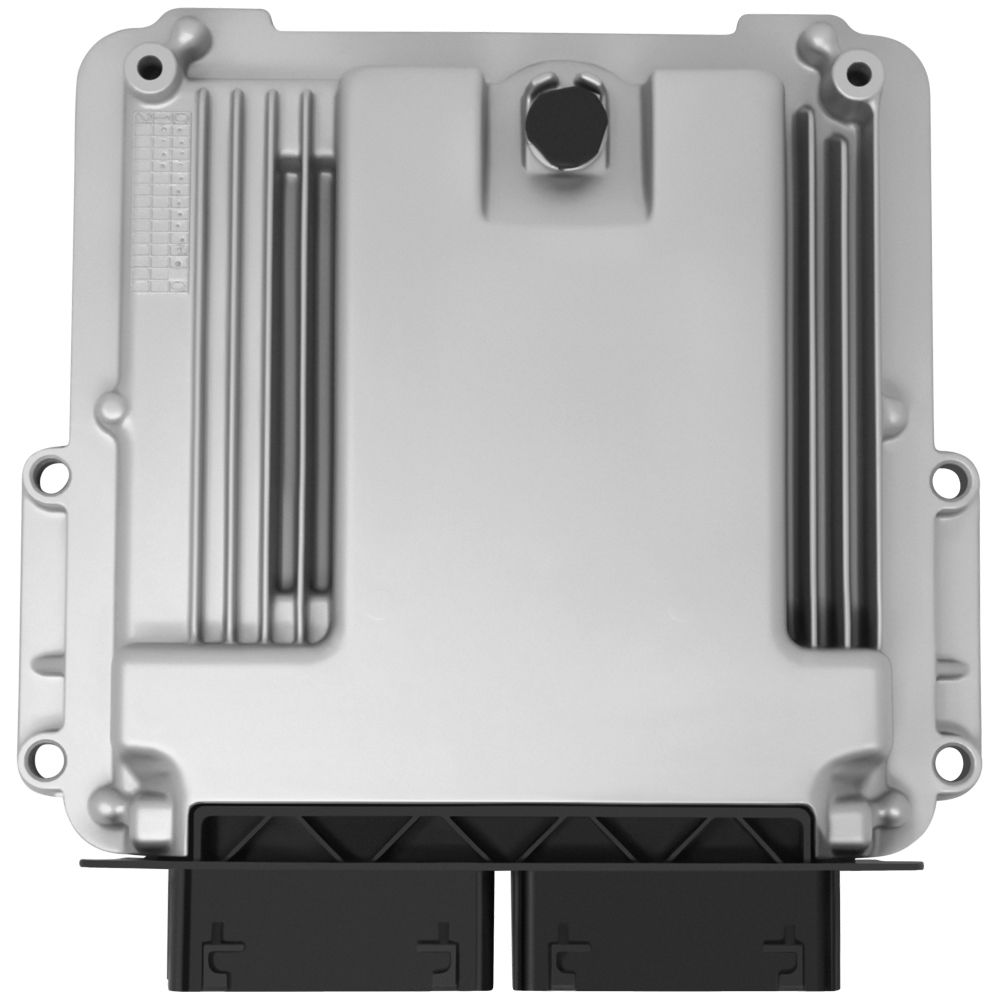
Flagship One stocks a refurbished, VIN-programmed PCM for the 2015 Ford Transit Connect with a lifetime warranty, free shipping and no core charge. The full Ford Transit Connect module lineup covers other engine configurations as well.
The Powertrain Control Module is a vital component in your 2015 Ford Transit Connect, overseeing critical engine and transmission functions. Recognizing the signs of failure—such as stalling, no-start conditions, or trouble codes like P0606—can help you address issues before they leave you stranded. With the right replacement module and proper installation, your Transit Connect can return to reliable performance. If you’re facing PCM-related problems, consider a pre-programmed replacement to streamline the repair process and get back on the road with confidence.