
Last updated on August 25th, 2026 at 01:33 pm
The powertrain control module (PCM) in your 2010 Ford Explorer manages engine and transmission functions. Failure may cause drivability issues, including rough running, stalling, or an illuminated check engine light.
If your 2010 Ford Explorer has been running rough, stalling, or refusing to start, the powertrain control module (PCM) may be at fault. This critical component oversees engine and transmission performance, and when it fails, symptoms can range from subtle drivability issues to complete immobilization. Understanding the role of the PCM, how to identify failure signs, and what replacement involves can help you make informed decisions. You’ll gain clarity on labor requirements, programming needs, and how to avoid common pitfalls during the process.
In your 2010 Ford Explorer, the PCM acts as the brain of the powertrain, coordinating fuel delivery, ignition timing, and transmission shifts. It constantly monitors sensor inputs to optimize performance and emissions. A malfunctioning PCM may disrupt these functions, leading to poor acceleration, erratic shifting, or even a no-start condition. If replacement becomes necessary, you’ll need replacement engine computers for the Explorer to restore proper operation. The module’s precise control over engine parameters makes it essential for reliable driving.
2010 Ford Explorer 4.0L
OEM programmed replacements — plug & play, no dealer visit.
Find yours by year, make & model →
Free shipping · Lifetime warranty
The PCM in the 2010 Ford Explorer is located in the engine bay, typically mounted near the firewall or fender well. Accessing it involves disconnecting the battery, removing the electrical connectors, and unbolting the module from its bracket. Reinstallation follows the reverse process, ensuring all connectors are securely fastened. Labor time for removal and replacement is typically 0.6 hours. No specialized tools are required, but care should be taken to avoid damaging the module or its connectors during handling.
| Operation | Configuration | Book Time |
|---|---|---|
| Powertrain Control Module R&R | All configurations | 0.6 hr |
| Engine Control Module Relearn | All configurations | 0.5 hr |
| Engine Control Module R&R | All configurations | 0.6 hr |
After replacing the PCM in your 2010 Ford Explorer, a factory relearn procedure is often required to synchronize the module with the vehicle’s systems. This process typically takes 0.5 hours and ensures proper communication with sensors and actuators. However, a VIN-programmed replacement unit arrives pre-configured, eliminating the need for this step. This saves time and reduces the risk of programming errors, allowing your vehicle to return to service more quickly.
A failing PCM in your 2010 Ford Explorer may cause a variety of symptoms. You might notice the engine stalling, running rough, or failing to start. The check engine light may illuminate, often accompanied by codes like an internal processor fault. Other signs include poor acceleration, erratic shifting, or even a complete loss of communication with a scan tool. These issues can worsen over time, so addressing them promptly is important to avoid further complications.
The 2010 Ford Explorer with a 4.0L engine may log module-internal trouble codes when the PCM fails. These codes help pinpoint the source of drivability issues and guide diagnostics.
| Code | Meaning | Full Guide |
|---|---|---|
| P0606 | Module processor failure | Full P0606 guide → |
Ford service bulletin #10-18-11 addresses engine noise, a malfunction indicator light with DTC P0340, lack of power, rough running, and no-start conditions in the 2010 Explorer 4.0L. The bulletin outlines diagnostic and repair procedures for these symptoms, which may overlap with PCM-related issues. Reviewing this bulletin can help clarify whether the PCM or another component is the root cause of your vehicle’s problems.
| Bulletin | Subject | What It Addresses |
|---|---|---|
| 10-18-11 | 4.0L – ENGINE NOISE, MIL WITH DTC P0340, LACKS POWER, RUNS ROUGH – NO START | — |
Common signs include stalling, rough running, or a no-start condition. The check engine light may illuminate with codes like P0606. A scan tool can confirm communication issues with the PCM, which often point to module failure.
Replacement is straightforward if you’re comfortable with basic mechanical tasks. However, programming or a relearn procedure may be required afterward. A pre-programmed unit simplifies the process by eliminating this step.
PCM failure may result from voltage spikes, moisture intrusion, or internal component wear. Poor electrical connections or a failing battery can also contribute to premature module failure.
If your 2010 Ford Explorer is experiencing PCM-related issues, you have options for repair or replacement. A refurbished or new module can restore functionality, while a VIN-programmed unit ensures compatibility and eliminates additional programming steps. Consider the labor and programming requirements when deciding the best approach for your vehicle.
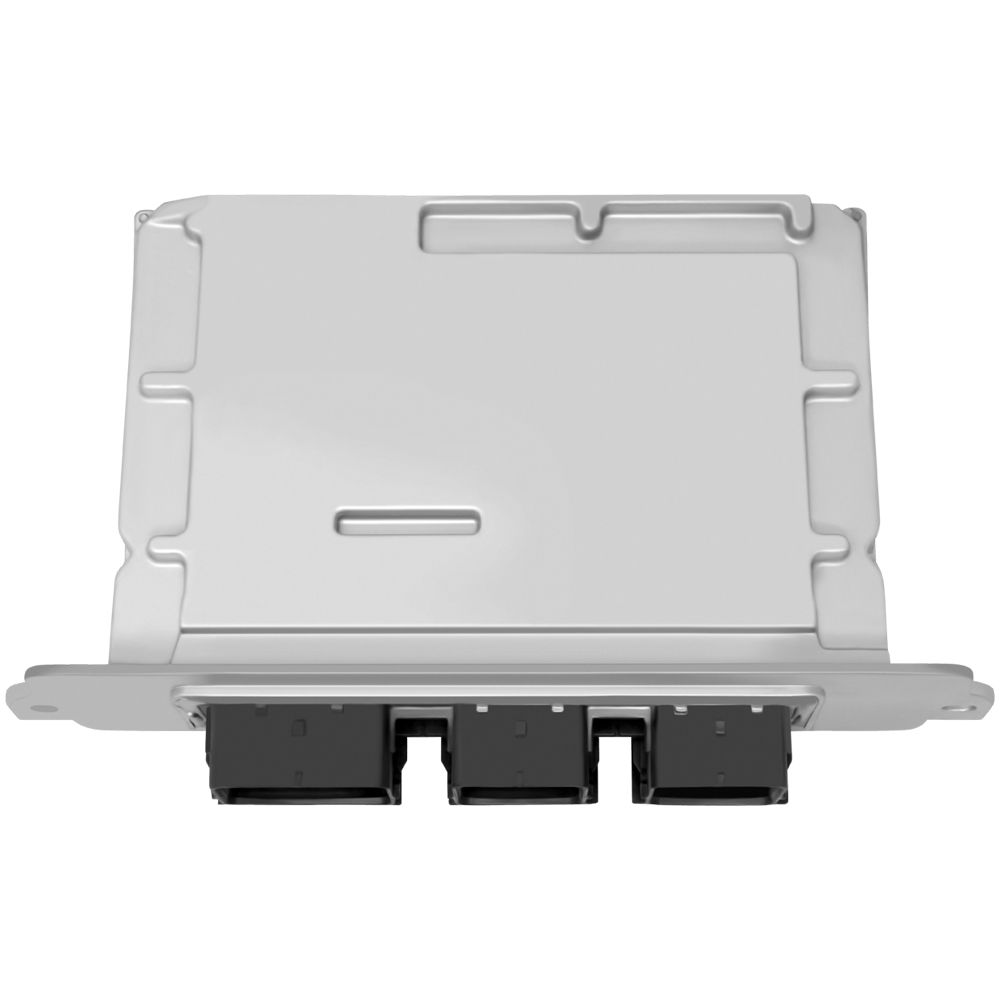
Flagship One stocks a refurbished, VIN-programmed PCM for the 2010 Ford Explorer with a lifetime warranty, free shipping and no core charge. The full Ford Explorer module lineup covers other engine configurations as well.
The 2010 Ford Explorer relies on its PCM for smooth operation, and recognizing failure symptoms early can prevent further complications. Whether you opt for a repair or replacement, understanding the process ensures a smoother resolution. Addressing the issue promptly helps maintain your vehicle’s reliability and performance.