
Last updated on August 25th, 2026 at 12:01 pm
In the 2009 Toyota Camry, the Powertrain Control Module (PCM) and Engine Control Module (ECM) manage transmission shift timing, fuel delivery, and emissions. A failure typically disrupts communication, triggers fault codes and may cause rough shifting, loss of power, or a no‑start condition.
When a 2009 Toyota Camry begins to exhibit erratic shifting, loss of power, or persistent diagnostic codes, the underlying cause often traces back to the vehicle’s control modules. The Powertrain Control Module and Engine Control Module work together to coordinate transmission behavior and engine performance, and a malfunction can affect drivability in multiple ways. Understanding how these modules operate, what the repair process entails, and which service bulletins apply can help you decide between a new OEM replacement or a refurbished unit. This guide walks you through the function of each module, the typical labor steps, programming requirements, and practical tips to keep the system healthy, so you can make an informed choice for your Camry.
The Powertrain Control Module in a 2009 Toyota Camry serves as the central computer that governs transmission shift logic, torque converter lock‑up, and certain engine parameters. Meanwhile, the Engine Control Module oversees fuel injection timing, ignition sequencing, and emissions monitoring. Together, they ensure the powertrain operates smoothly under varying loads and speeds. Because both modules exchange data continuously, a fault in either can manifest as harsh shifting, hesitation, or diagnostic trouble codes. Maintaining proper voltage, grounding, and sensor inputs is essential for reliable operation. Replacement units are typically sourced as replacement engine control modules for Camry that match the vehicle’s specifications and software version.
2009 Toyota Camry Powertrain and
OEM programmed replacements — plug & play, no dealer visit.
Find yours by year, make & model →
Free shipping · Lifetime warranty
Both the PCM and ECM are housed within the engine compartment, mounted near the firewall for easy access. Removal generally follows the standard service procedure: disconnect the negative battery terminal, unplug the module connectors, and unbolt the unit. The book time for a Powertrain Control Module removal and replacement is 0.7 hours, while the Engine Control Module removal and replacement also requires 0.7 hours. After installation, the PCM relearn takes an additional 0.5 hours and the ECM relearn another 0.5 hours, with a brief 0.3‑hour reset for the ECM. Technicians should verify connector integrity and torque any mounting bolts to factory specifications, though specific torque values are not provided here.
| Operation | Configuration | Book Time |
|---|---|---|
| Powertrain Control Module R&R | All configurations | 0.7 hr |
| Powertrain Control Module Relearn | All configurations | 0.5 hr |
| Engine Control Module Relearn | All configurations | 0.5 hr |
| Engine Control Module R&R | All configurations | 0.7 hr |
| Engine Control Module Reset | All configurations | 0.3 hr |
Factory guidelines require a series of calibration and relearn steps after installing a new PCM or ECM in a 2009 Camry. The Powertrain Control Module must undergo a 0.5‑hour relearn cycle, and the Engine Control Module requires both a 0.5‑hour relearn and a 0.3‑hour reset to synchronize with the vehicle’s sensors. Flagship One supplies units that arrive already VIN‑programmed, meaning those calibration cycles are completed at the factory. Consequently, the installation process focuses on physical replacement and the brief relearn steps, reducing shop time and potential for error. This approach ensures the replacement functions correctly from the first start.
Every VIN-programmed replacement unit from Flagship One arrives with these steps already completed.
A failing PCM or ECM in a 2009 Toyota Camry may cause the engine to stall, hesitate during acceleration, or refuse to start altogether. Drivers often notice harsh or delayed shifting, especially when climbing hills or accelerating from a stop. Diagnostic trouble codes such as internal PCM memory error can appear, indicating internal processor issues. Additional signs include erratic idle, loss of fuel efficiency, and occasional loss of communication with scan tools, which can prevent the technician from reading other systems. Addressing these symptoms promptly helps avoid further drivetrain stress and ensures reliable operation.
The following internal trouble codes are commonly logged by the Camry’s control modules when a fault occurs:
| Code | Meaning | Full Guide |
|---|---|---|
| P0604 | Internal RAM error | Full P0604 guide → |
| P0606 | Module processor failure | Full P0606 guide → |
| P0607 | Module performance fault | Full P0607 guide → |
Service bulletin T‑TCI‑3137 addresses a TCM calibration enhancement for 2008‑09 Camry models to improve shift smoothness in Canada. Bulletin T‑TCI‑2650 and T‑SB‑0068‑08 Rev1 both cover ECM calibration updates for 2007‑09 Camry and related Solara models, revising shift performance and smoothness parameters. These bulletins provide updated software that can be applied during the relearn process.
| Bulletin | Subject | What It Addresses |
|---|---|---|
| T-TCI-3137 | ’08-’09 Camry: TCM Calibration: Enhancement To Shifting Performance & Smoothness (Canada) | — |
| T-TCI-2650 | ’07-’09 Camry, ’07-’08 Solara: ECM Calibration: Enhancement To Shifting Performance & Smoothnes | — |
| T-SB-0068-08 Rev1 | T-SB-0068-08 Rev1: 07-09 Camry, 07-08 Solara: ECM Calibration: Enhancement to Shifting Performa | — |
Yes, the PCM controls shift timing and torque converter lock‑up, so a malfunction can lead to harsh or delayed shifts. Replacing the module and completing the relearn often restores smooth operation.
The factory procedure includes a 0.3‑hour ECM reset, which can be performed with a standard scan tool that supports Toyota reset functions. Flagship One units arrive pre‑programmed, reducing the need for additional tools.
Regular visual inspections during routine service are advisable. Cleaning any buildup helps maintain reliable communication and can prevent intermittent faults.
The bulletins focus on shift smoothness and engine response, which can indirectly benefit fuel efficiency by allowing the powertrain to operate more consistently.
Refurbished units that meet factory specifications and are VIN‑programmed, like those from Flagship One, can provide comparable performance when installed correctly.
When your 2009 Camry shows signs of PCM or ECM failure, you can choose a new OEM replacement or a refurbished unit that matches factory standards. Both options require the same removal steps and post‑install relearn procedures, but a refurbished module from Flagship One arrives VIN‑programmed, saving time in the shop. Evaluate cost, warranty coverage, and availability to decide which path best fits your repair plan.
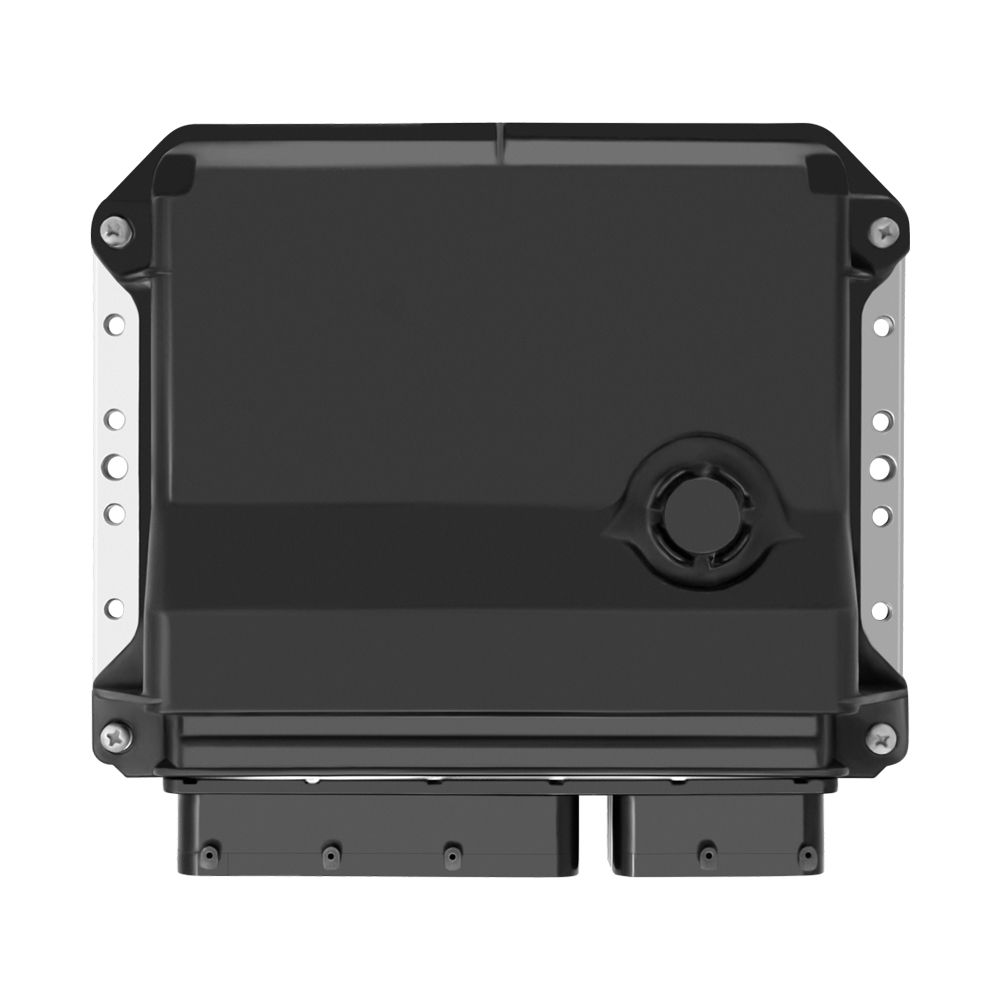
Flagship One stocks a refurbished, VIN-programmed PCM for the 2009 Toyota Camry with a lifetime warranty, free shipping and no core charge. The full Toyota Camry module lineup covers other engine configurations as well.
Understanding the role of the PCM and ECM in your 2009 Toyota Camry helps you recognize symptoms early and choose the right repair strategy. Whether you opt for a new part or a Flagship One refurbished unit, proper installation and relearn will get your Camry back to smooth, reliable performance.