
Last updated on August 25th, 2026 at 12:00 pm
The powertrain control module (PCM) in the 2010 Toyota Camry 2.4L manages engine and transmission functions. When it fails, internal processor faults like P0606 or P0607 can trigger, leading to no-start conditions, erratic shifting, or a complete loss of engine management.
If your 2010 Toyota Camry 2.4L is experiencing a no-start, stalling, or erratic transmission behavior, the powertrain control module (PCM) could be the culprit. This computer is the brain of your vehicle’s engine and transmission, and when it malfunctions, it can leave you stranded. Understanding how to diagnose, replace, and program a new module is essential to getting back on the road. This guide explains the PCM’s role in your Camry, the symptoms of a failing unit, and the steps involved in swapping it out. You’ll also learn about factory service bulletins, common trouble codes, and how a pre-programmed replacement can simplify the repair. By the end, you’ll know exactly what to expect and how to avoid unnecessary downtime.
The powertrain control module (PCM) in your 2010 Toyota Camry 2.4L is the central computer that governs engine timing, fuel delivery, and transmission shift points. It processes data from sensors like the mass airflow, oxygen, and crankshaft position sensors to optimize performance and emissions. When this module fails, you may experience a no-start condition, poor fuel economy, or transmission shifting issues. Internal circuit damage or software corruption can trigger diagnostic trouble codes P0606 or P0607, indicating a processor fault. Replacing the module requires a unit that matches your vehicle’s calibration and VIN. Many owners turn to remanufactured PCMs for the Camry to restore proper function without dealer programming fees. The PCM also monitors the high-voltage system and communicates with the inverter on hybrid models, though the 2.4L is a conventional gasoline engine. A failing module can cause intermittent stalling, failed emissions tests, or a complete no-start. Because the PCM is VIN-specific, a replacement must be programmed with your vehicle’s exact configuration to ensure all systems operate correctly.
2010 Toyota Camry 2.4L
OEM programmed replacements — plug & play, no dealer visit.
Find yours by year, make & model →
Free shipping · Lifetime warranty
The powertrain control module (PCM) is typically located in the engine compartment, often near the air cleaner or firewall. Replacing it involves disconnecting the battery, removing any covers, unplugging the electrical connectors, and unbolting the module from its bracket. According to service information, the removal and replacement labor time is 0.7 hours. After installation, a relearn procedure of 0.5 hours is required to synchronize the module with the vehicle’s immobilizer and adaptive systems. A separate reset procedure of 0.3 hours may also be needed to clear stored values. These times apply to both the engine control module and powertrain control module. It is important to follow the factory caution: before disconnecting the low-voltage connector of the inverter assembly, wear insulated gloves and remove the service plug grip to prevent electrical shock. Place the service plug grip in your pocket to avoid accidental reconnection.
| Operation | Configuration | Book Time |
|---|---|---|
| Engine Control Module Relearn | All configurations | 0.5 hr |
| Engine Control Module R&R | All configurations | 0.7 hr |
| Engine Control Module Reset | All configurations | 0.3 hr |
| Powertrain Control Module R&R | All configurations | 0.7 hr |
| Powertrain Control Module Relearn | All configurations | 0.5 hr |
After installing a new PCM, the factory procedure requires reprogramming the module with the correct VIN and immobilizer data using Toyota’s Techstream diagnostic tool, as outlined in service bulletin T-SB-0064-10. This process can take additional time and requires specialized equipment. However, when you order from Flagship One, your replacement module arrives already programmed with your vehicle’s VIN and calibration. This means the pre-programmed PCM is ready to install, eliminating the need for a dealer visit or expensive scan tool. Simply install the unit, perform the relearn procedure, and your Camry should start and run properly.
A failing PCM in the 2010 Toyota Camry often produces symptoms that can be mistaken for other issues. You may notice the engine cranks but refuses to start, or it starts and then immediately stalls. Intermittent misfires, rough idling, and poor fuel economy are common. The transmission may shift erratically or stay in limp mode. A scan tool might reveal a internal control module processor fault stored in memory, indicating a problem within the PCM itself. Other signs include a lack of communication with the OBD-II port, preventing any code reading. In some cases, the vehicle may not respond to the key at all. These symptoms can appear suddenly or worsen over time, often after the engine reaches operating temperature. You might also experience a no-crank condition, where the starter does not engage, or the security light flashing unexpectedly. Because the PCM controls critical engine and transmission functions, any of these symptoms should prompt a thorough diagnostic check to rule out wiring or sensor issues before condemning the module.
When the powertrain control module itself malfunctions, it can set specific diagnostic trouble codes that point directly to an internal fault. For the 2010 Toyota Camry 2.4L, the following codes are documented as module-internal failures. These codes typically cannot be resolved by replacing external sensors or components and often require PCM replacement or reprogramming.
| Code | Meaning | Full Guide |
|---|---|---|
| P0606 | Module processor failure | Full P0606 guide → |
| P0607 | Module performance fault | Full P0607 guide → |
Toyota issued service bulletin T-SB-0064-10, dated January 2011, to provide a procedure for Techstream ECU flash reprogramming. This bulletin applies to various Toyota models, including the Camry, and outlines the steps to update the engine control module software using the factory diagnostic tool. The reprogramming may address drivability concerns, update calibration data, or resolve communication errors. If your Camry’s PCM has not been updated, performing this flash may correct certain issues without replacing the module. However, if the module has internal hardware damage, reprogramming alone will not fix it. Always verify the current calibration before attempting a flash.
| Bulletin | Subject | What It Addresses |
|---|---|---|
| T-SB-0064-10 | 01-11 Applicable Toyota Models: Techstream ECU Flash Reprogramming Procedure | — |
Common signs include a no-start condition, stalling after starting, erratic shifting, and a lack of communication with a scan tool. You may also see diagnostic trouble codes P0606 or P0607, which indicate an internal processor fault. If external sensors and wiring check out, the PCM is likely the cause.
Yes, the factory procedure requires programming the VIN and immobilizer data. However, a pre-programmed unit from Flagship One arrives with this already completed, so you only need to perform a relearn procedure after installation.
Used modules are often VIN-locked and may not start your vehicle without extensive reprogramming. Even if they do start, mismatched calibrations can cause drivability issues. A remanufactured unit programmed to your VIN is a more reliable solution.
When your Camry’s PCM fails, you have two main paths: repair the existing module or replace it with a remanufactured unit. Repair can be cost-effective if the damage is limited to common failure points, but internal processor faults often require replacement. A VIN-programmed replacement eliminates the guesswork and gets you back on the road quickly. Consider the labor time and programming requirements when deciding which route to take.
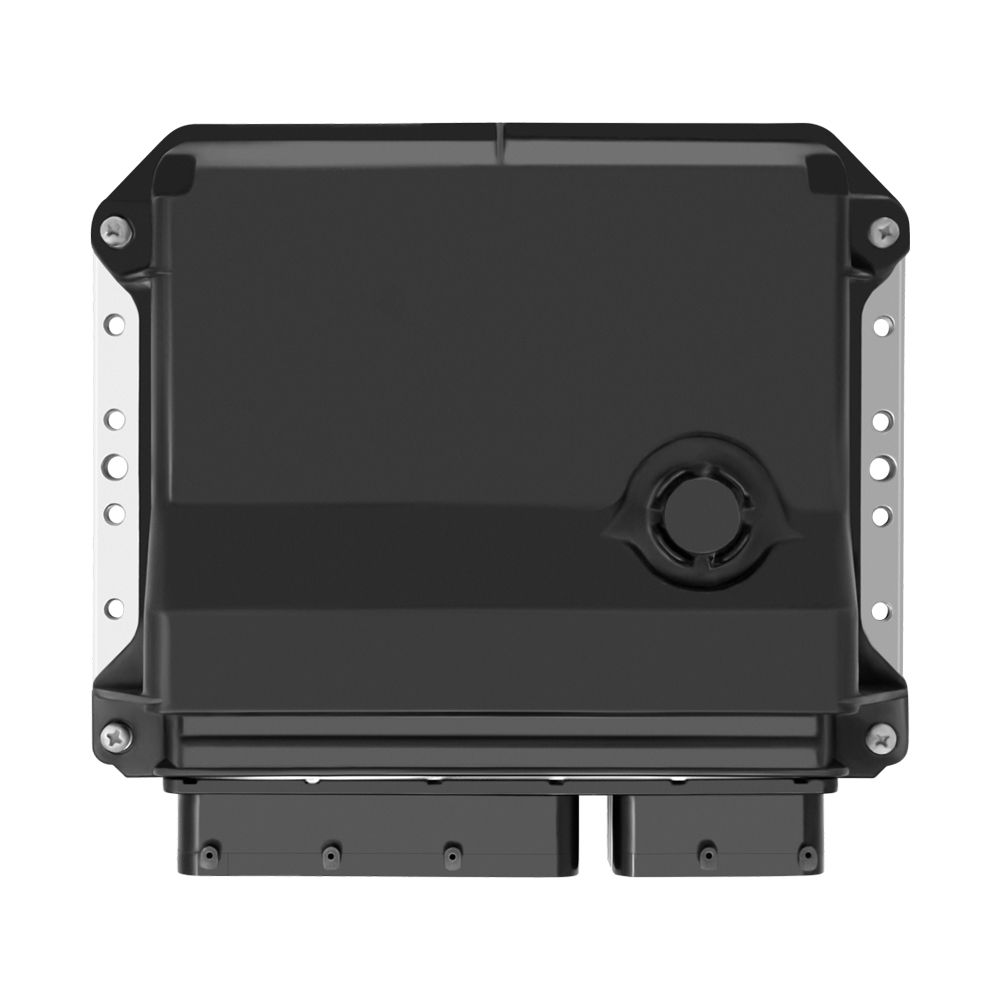
Flagship One stocks a refurbished, VIN-programmed PCM for the 2010 Toyota Camry with a lifetime warranty, free shipping and no core charge. The full Toyota Camry module lineup covers other engine configurations as well.
A faulty powertrain control module doesn’t have to sideline your 2010 Toyota Camry 2.4L. With the right diagnostic approach and a quality replacement, you can restore reliable performance. Whether you choose to tackle the job yourself or have a shop handle it, understanding the process helps you make informed decisions. For a plug-and-play solution, a pre-programmed PCM can save time and frustration.