
Last updated on August 25th, 2026 at 12:02 pm
The engine control module in the 2006 Toyota Camry manages critical fuel and ignition parameters. When this computer fails, your vehicle may exhibit stalling, no-start conditions, or failed emissions tests due to missing identification data. Replacing it restores proper engine coordination.
When your 2006 Toyota Camry begins to exhibit frustrating drivability issues, the root cause may trace back to the engine control module. This critical computer dictates how your engine operates, and when it malfunctions, the effects are often immediate and disruptive. You might find yourself dealing with a vehicle that refuses to start, stalls unexpectedly, or fails local emissions testing due to internal data corruption. Understanding the role of this component helps demystify the repair process. Replacing an engine computer involves more than simply swapping parts; it requires specific programming steps to ensure the vehicle recognizes the new unit. For the 2.4L Camry, overlooking procedures like writing the vehicle identification number into the module can lead to persistent issues, including failed inspections. By learning about the function, location, and required programming for this computer, you gain the knowledge needed to address these failures effectively. Whether you are troubleshooting a stubborn check engine light or preparing for a module swap, knowing the technical requirements ensures your 2006 Toyota Camry returns to reliable service without unnecessary delays.
The engine control module in the 2006 Toyota Camry acts as the central processing unit for the powertrain. It continuously monitors an array of sensors positioned throughout the engine bay, gathering data on airflow, coolant temperature, throttle position, and crankshaft rotation. Using this information, the computer calculates the precise amount of fuel to inject and determines the exact timing for the ignition coils. This constant, real-time adjustment ensures the 2.4L engine operates efficiently across various driving conditions, from idling at a stoplight to cruising on the highway. When this module functions correctly, you enjoy smooth acceleration, steady fuel delivery, and consistent emissions output. However, when internal circuits degrade or the software becomes corrupted, the computer loses its ability to process sensor data accurately. This degradation often results in poor fuel economy, rough running, or a complete failure to start. Because the module also oversees critical emissions controls, a malfunctioning unit frequently prevents the vehicle from passing state and local inspection programs. When facing such failures, sourcing 2006 Toyota Camry ECM options becomes necessary to restore full functionality. The replacement unit must seamlessly communicate with the other onboard systems to clear diagnostic trouble codes and prevent recurring drivability problems. A failing module disrupts the entire operational chain, making timely diagnosis and replacement essential for maintaining the overall health and reliability of your Camry.
2006 Toyota Camry
OEM programmed replacements — plug & play, no dealer visit.
Find yours by year, make & model →
Free shipping · Lifetime warranty
Locating and replacing the engine control module on the 2006 Toyota Camry requires careful attention to the factory service times. The standard book time for removing and reinstalling the powertrain control module is 0.4 hours, reflecting the physical labor involved in accessing and swapping the unit. Similarly, the engine control module removal and installation carries a time allowance of 0.4 hours. Once the physical swap is complete, the vehicle requires specific relearn procedures to integrate the new hardware. The book time allocated for the powertrain control module relearn is 0.5 hours, while the engine control module relearn also requires 0.5 hours. These time allowances account for the diagnostic processes needed to synchronize the replacement computer with the vehicle. Technicians must follow the proper sequence to ensure all adaptive strategies reset correctly. Attempting to operate the vehicle without performing these relearn steps may result in erratic shifting or unstable idling. Adhering to these specified labor times ensures the installation proceeds systematically, allowing the 2.4L engine to recognize the new module and resume normal operational parameters.
| Operation | Configuration | Book Time |
|---|---|---|
| Engine Control Module Relearn | All configurations | 0.5 hr |
| Engine Control Module R&R | All configurations | 0.4 hr |
| Powertrain Control Module R&R | All configurations | 0.4 hr |
| Powertrain Control Module Relearn | All configurations | 0.5 hr |
Programming a replacement engine computer on the 2006 Toyota Camry involves critical steps that cannot be skipped. Factory procedures mandate writing the vehicle identification number directly into the module using a diagnostic tester. If you fail to write the identification into the ECM or PCM, the system may trigger a malfunction, and the vehicle will likely fail state and local emissions inspection programs. The diagnostic tool display guides the technician through the input sequence. After entering the data, the technician must verify that the written information matches the vehicle exactly. If the screen does not show that the writing is complete, or if the data does not match, the identification must be written again until confirmation appears. Factory updates from June 2005 specifically added 2004 and 2006 model year vehicles to this VIN write procedure, highlighting its importance for these specific years. To bypass these complex programming steps, you can install a VIN-programmed replacement unit from Flagship One, which arrives with your vehicle’s identification already flashed into the memory, eliminating the need for post-installation diagnostic tester procedures.
When the engine computer begins to fail in the 2006 Toyota Camry, several distinct symptoms often present themselves. You may experience a sudden no-start condition where the engine cranks but refuses to fire, or the vehicle might stall unexpectedly while driving, creating hazardous situations on the road. Misfire codes frequently appear, leading to rough idling, hesitation during acceleration, and a noticeable drop in fuel economy. Communication issues are also common; a completely dead scan tool connection during diagnostic attempts strongly points to an internal module failure rather than a simple sensor issue. Additionally, shifting issues may arise if the unit controls transmission solenoids, causing harsh or delayed gear changes. Internal memory corruption is another frequent culprit, often triggering internal checksum failure which indicates the computer cannot retain its critical calibration data. When these memory faults occur, the vehicle might enter a failsafe mode, severely limiting engine RPM and vehicle speed to protect the powertrain. You might also notice a persistent check engine light that refuses to clear, even after repairing other underlying mechanical issues. Because the module governs the entire fuel and ignition strategy, any disruption in its processing ability immediately impacts drivability. Addressing these symptoms promptly prevents further degradation, ensuring your Camry remains reliable and avoids the cascading failures that often accompany a neglected computer malfunction.
Toyota issued a factory caution regarding 2004 and 2006 model year vehicles, updated on June 3, 2005, which directly impacts the 2006 Toyota Camry. This notice emphasizes the critical requirement to enter the vehicle identification number into the module during installation. Technicians must remember to perform this step, as vehicles missing this identification data are subject to failing state and local vehicle emissions inspection and maintenance programs. Furthermore, the update added the Highlander HV to step 4 of the VIN write procedure on page 2 of the documentation. For most 2005 model year vehicles, neglecting to write the identification to the ECM or PCM results in a malfunction indicator, though the same caution applies to the 2006 model. Adhering to this factory directive ensures your vehicle remains compliant with emissions standards.
Yes, the factory procedure requires writing the vehicle identification number into the replacement module using a diagnostic tester. Failure to complete this step may result in a malfunction indicator and cause the vehicle to fail local emissions inspections.
If the identification number is missing, the vehicle may trigger a malfunction indicator light and will likely fail state and local emissions inspection and maintenance programs. The data must match exactly to ensure proper system operation.
The standard book time for removing and reinstalling the powertrain control module is 0.4 hours, and the relearn procedure takes an additional 0.5 hours. The engine control module shares the same 0.4 hours for removal and 0.5 hours for the relearn process.
Driving with a failing module is risky because it may cause sudden stalling, harsh shifting, or a complete no-start condition. You should address internal computer failures promptly to avoid being stranded or causing further damage.
If the diagnostic tester display does not show that the writing is complete, or if the written data does not match the vehicle, the procedure has failed. You must write the identification again until the system confirms a successful match.
Deciding between repairing your existing computer or opting for a refurbished replacement depends on the severity of the internal failure. While some shops attempt to repair damaged solder joints, these fixes often lack the reliability required for daily driving. A professionally refurbished unit tailored to the 2006 Toyota Camry provides a more dependable solution, ensuring all internal circuits function within factory specifications without the risk of recurring drivability issues.
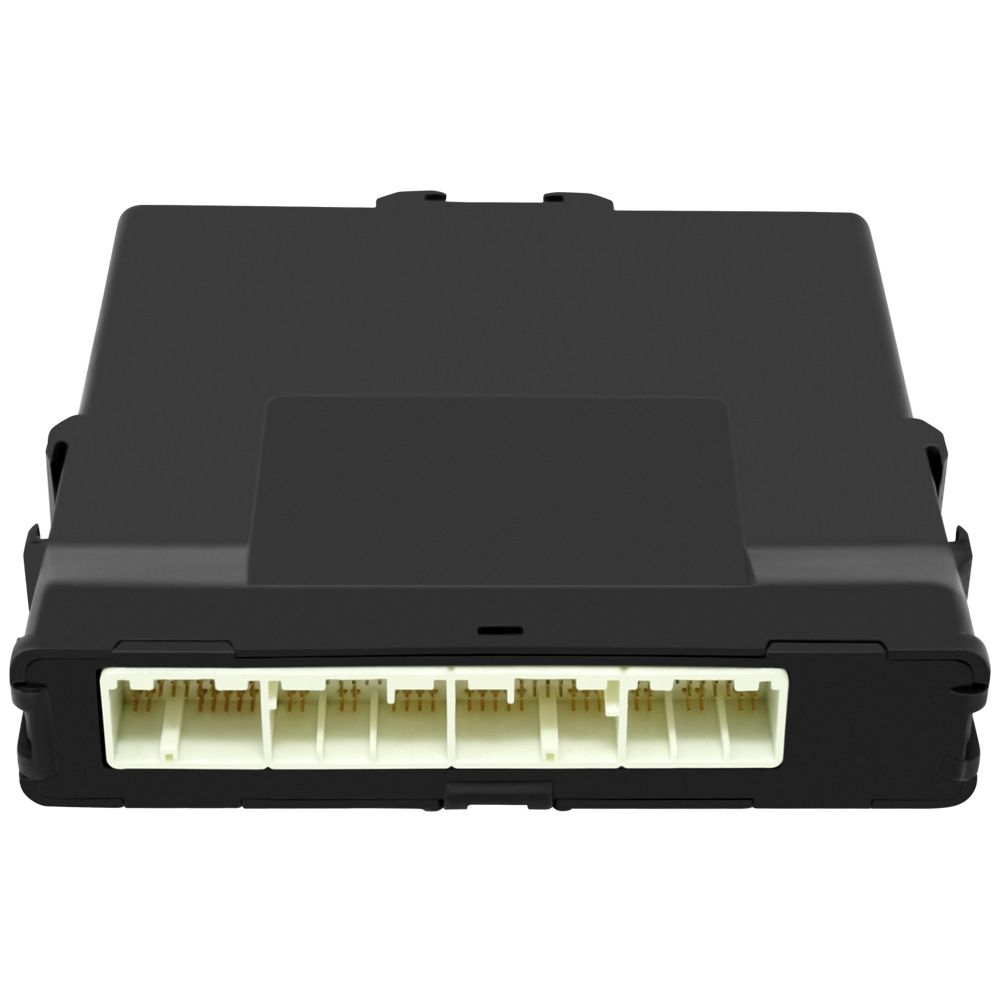
Flagship One stocks a refurbished, VIN-programmed PCM for the 2006 Toyota Camry with a lifetime warranty, free shipping and no core charge. The full Toyota Camry module lineup covers other engine configurations as well.
Addressing engine computer issues in your 2006 Toyota Camry promptly prevents frustrating breakdowns and costly emissions test failures. Understanding the specific programming requirements and recognizing the symptoms of module failure empowers you to make informed repair decisions. When you are ready to restore your vehicle to proper working order, choosing a pre-programmed replacement unit ensures a straightforward installation and reliable performance for years to come.