
Last updated on August 25th, 2026 at 01:42 pm
The engine control module (ECM) in your 2009 Saturn VUE manages fuel delivery, ignition timing, and emissions systems. Failures may cause rough running, no-start conditions, or stored trouble codes related to internal memory errors.
If your 2009 Saturn VUE is running poorly, stalling, or triggering warning lights, the engine control module (ECM) may be the culprit. This small but critical computer oversees fuel injection, ignition timing, and emissions systems, ensuring smooth operation. When it fails, symptoms can range from subtle drivability issues to a complete no-start condition. Replacing the ECM involves specific steps, including capturing data before removal and performing a relearn afterward. Understanding the process helps you make informed decisions about repairs, whether you’re diagnosing the problem or preparing for a replacement. This guide covers what the ECM does, where it’s located, and what to expect during service.
The engine control module in your 2009 Saturn VUE acts as the brain of the engine, continuously adjusting fuel delivery, ignition timing, and emissions controls based on sensor inputs. Without it, the engine may run erratically or fail to start. This module also stores adaptive learning data, which helps optimize performance over time. If it malfunctions, you may notice poor fuel economy, hesitation, or warning lights on the dashboard. Replacing it requires careful handling, as improper installation can lead to further issues. When sourcing a replacement, replacement engine computers for the Saturn VUE ensure compatibility and proper programming to avoid additional reprogramming steps.
The ECM in the 2009 Saturn VUE is typically mounted in the engine compartment, though its exact location may vary slightly depending on the model year and engine configuration. Replacing it involves disconnecting the battery, removing electrical connectors, and unbolting the module from its mount. Labor times for removal and reinstallation range from 0.9 to 1.4 hours, depending on whether the procedure includes additional steps like capturing data or performing a relearn. Always ensure connectors are clean and securely fastened to prevent future electrical issues. No special tools are required beyond basic hand tools, but care must be taken to avoid damaging the module or its wiring.
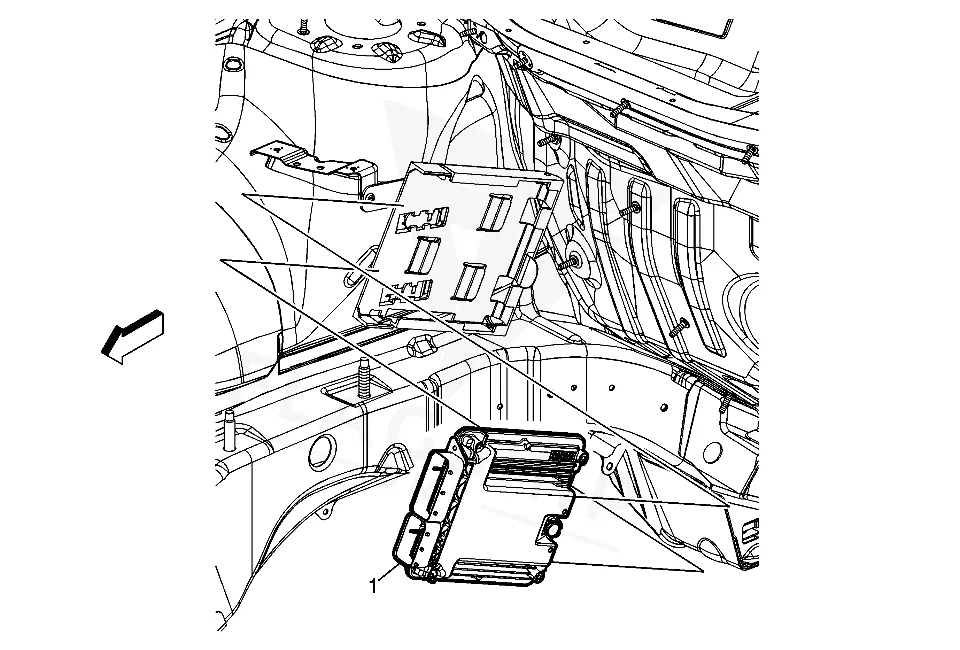
Work with the ignition off, and treat the module as static-sensitive: avoid touching the connector pins at any point.
| Operation | Configuration | Book Time |
|---|---|---|
| Powertrain Control Module R&R | All configurations | 0.9 hr |
| Powertrain Control Module R&R | GAS | 1.4 hr |
| Engine Control Module R&R | All configurations | 0.9 hr |
| Engine Control Module R&R | GAS | 1.4 hr |
| Engine Control Module Relearn | All configurations | 0.5 hr |
2009 Saturn VUE 3.5L: When Your
OEM programmed replacements — plug & play, no dealer visit.
Find yours by year, make & model →
Free shipping · Lifetime warranty
After installing a new ECM in your 2009 Saturn VUE, the factory procedure requires reprogramming the module with the correct calibration and vehicle-specific data. This step ensures the computer communicates properly with the engine and other systems. Specialized equipment and software are needed to complete the process, which can add time and complexity to the repair. However, a VIN-programmed replacement unit arrives ready to install, eliminating the need for on-site programming and reducing the risk of errors. Always follow the manufacturer’s guidelines to avoid issues like poor performance or stored trouble codes after replacement.
A failing ECM in your 2009 Saturn VUE may cause a variety of symptoms, including intermittent stalling, rough idling, or poor acceleration. You might also notice the check engine light illuminating, often accompanied by trouble codes related to internal memory or communication errors. Common codes for this vehicle include internal control module memory checksum error, which indicates a problem with the ECM’s self-checking functions. In some cases, the vehicle may fail to start or exhibit erratic shifting if the ECM isn’t communicating properly with the transmission control module. If you experience these issues, a scan tool can help confirm whether the ECM is the root cause.
The 2009 Saturn VUE’s ECM may store specific trouble codes when internal faults occur. These codes help diagnose issues like memory corruption, calibration errors, or communication failures. Below are the documented module-internal trouble codes for this vehicle.
Factory service bulletin #09-01-38-001 (and its update #09-01-38-001A) addresses a condition where some 2009 Saturn VUE owners report insufficient A/C cooling. The bulletin notes that customers may also observe or hear a vapor release from the engine compartment after using the Remote Start feature. The recommended repair involves reprogramming the ECM and recovering and recharging the A/C system. If your vehicle exhibits these symptoms, following the bulletin’s procedures may resolve the issue without replacing hardware.
| Bulletin | Subject | What It Addresses |
|---|---|---|
| 09-01-38-001 | A/C System Pressure Relief Valve (PRV) Release Event, Insufficient Cooling from A/C Vents (Repr | Some customers may comment that the A/C system does not get cold enough. Some customers may also comment that they saw and/or heard some type of vapor release… |
The ECM stores adaptive learning data specific to your vehicle, such as fuel trim adjustments and idle settings. After replacement, the new module must relearn these values to ensure optimal performance. Skipping this step may result in poor drivability or stored trouble codes.
While the physical replacement is straightforward, the process requires capturing ECM data before removal and performing a relearn afterward. Without the proper tools and software, you may encounter issues like poor engine performance or communication errors. Professional installation is often recommended.
Common causes include voltage spikes from a failing alternator or battery, corrosion in electrical connectors, or moisture intrusion. Over time, internal components may also degrade, leading to memory errors or communication failures. Regular maintenance can help prevent these issues.
If your 2009 Saturn VUE is experiencing ECM-related issues, you have options for repair or replacement. While a dealership may recommend a new module, a refurbished or remanufactured unit can offer a cost-effective alternative. Ensure any replacement is programmed to your vehicle’s VIN to avoid additional reprogramming steps. Weigh the benefits of professional installation against DIY efforts, especially if specialized tools are required.
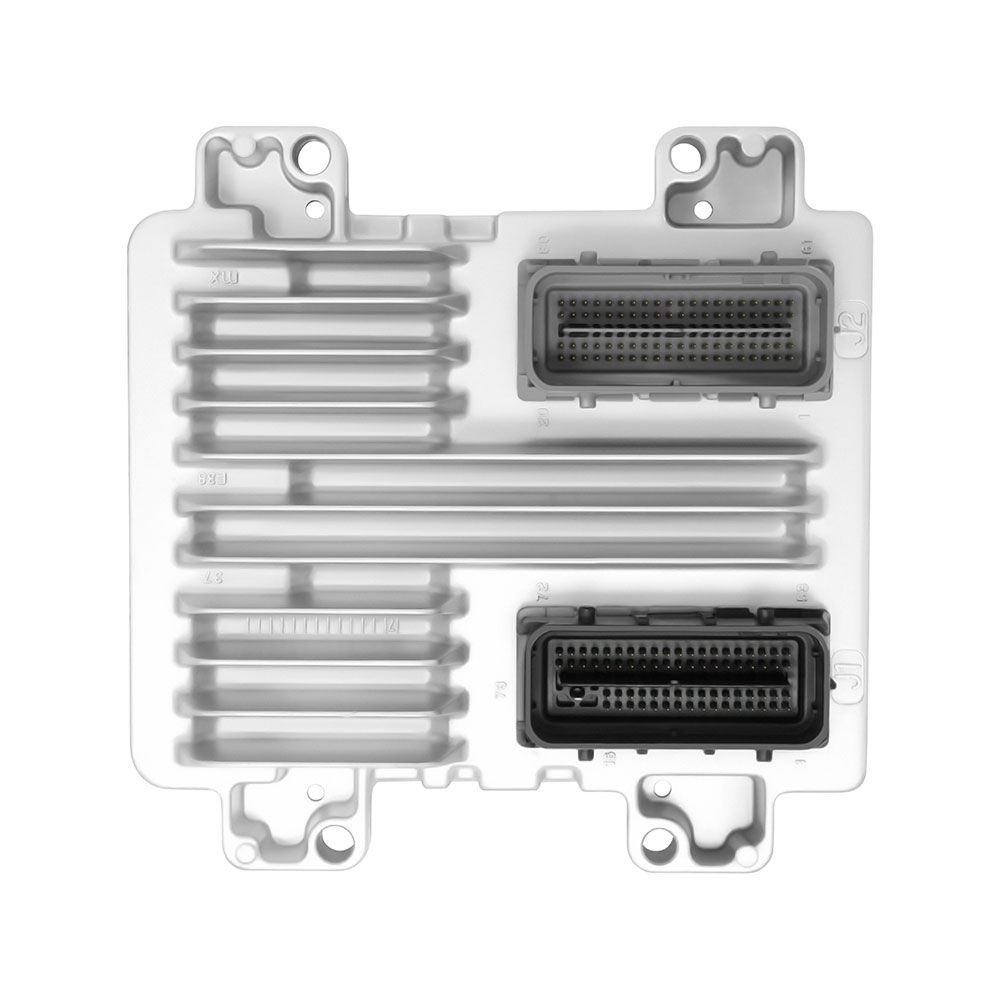
Flagship One stocks a refurbished, VIN-programmed PCM for the 2009 Saturn VUE with a lifetime warranty, free shipping and no core charge. The full Saturn VUE module lineup covers other engine configurations as well.
The 2009 Saturn VUE’s ECM plays a critical role in engine performance, and addressing issues promptly can prevent further complications. Whether you opt for a repair or replacement, understanding the process helps you make informed decisions. If symptoms persist, consult a professional to diagnose the problem accurately and restore your vehicle’s reliability.