
Last updated on August 25th, 2026 at 02:18 pm
The powertrain control module (PCM) and engine control module (ECM) in your 2006 Chevrolet Cobalt act as the vehicle’s central computers, managing fuel delivery, ignition timing, and emissions systems. Failure may cause erratic engine behavior, stored trouble codes, or complete no-start conditions.
If your 2006 Chevrolet Cobalt has been stalling unexpectedly, refusing to start, or illuminating the check engine light with internal module codes, the powertrain control module (PCM) or engine control module (ECM) may be at fault. These critical components serve as the brain of your vehicle’s engine and transmission systems, regulating everything from fuel injection to spark timing. When they fail, symptoms can range from subtle performance issues to complete immobilization. Replacing either module involves more than just swapping hardware—it requires careful data management to ensure the new unit functions correctly. Understanding the role of these modules, the replacement process, and the steps needed to restore proper operation can save you time and frustration. Whether you’re diagnosing a persistent trouble code or preparing for a repair, knowing what to expect helps you make informed decisions about your Cobalt’s needs.
In your 2006 Chevrolet Cobalt, the powertrain control module (PCM) and engine control module (ECM) work together to manage the engine’s performance and transmission behavior. The ECM focuses primarily on engine functions, such as fuel delivery, ignition timing, and emissions control, while the PCM oversees broader powertrain coordination, including transmission shifting and torque management. These modules rely on input from various sensors throughout the vehicle to make real-time adjustments, ensuring optimal efficiency and drivability. When either module fails, your Cobalt may experience erratic engine behavior, poor fuel economy, or even a no-start condition. Replacing a faulty unit isn’t as simple as installing new hardware—it requires transferring critical vehicle-specific data to the new module. For owners of the 2006 Cobalt, understanding the role of these replacement engine computers for the Cobalt is essential, as their proper function directly impacts the vehicle’s reliability and performance. Without them, your Cobalt’s engine may run poorly or fail to start altogether.
The PCM and ECM in your 2006 Chevrolet Cobalt are typically located in the engine bay, though their exact placement can vary. Replacing either module involves disconnecting the battery to prevent electrical damage, followed by removing the module’s electrical connectors and mounting hardware. The labor time for removing and reinstalling either the PCM or ECM is approximately 0.9 hours, according to factory estimates. Once the old module is removed, the new unit is installed in its place, and the electrical connections are reattached. It’s important to handle the module carefully, as physical damage or exposure to moisture can cause immediate failure. After installation, the vehicle may require additional steps to ensure the new module communicates properly with the rest of the powertrain system.
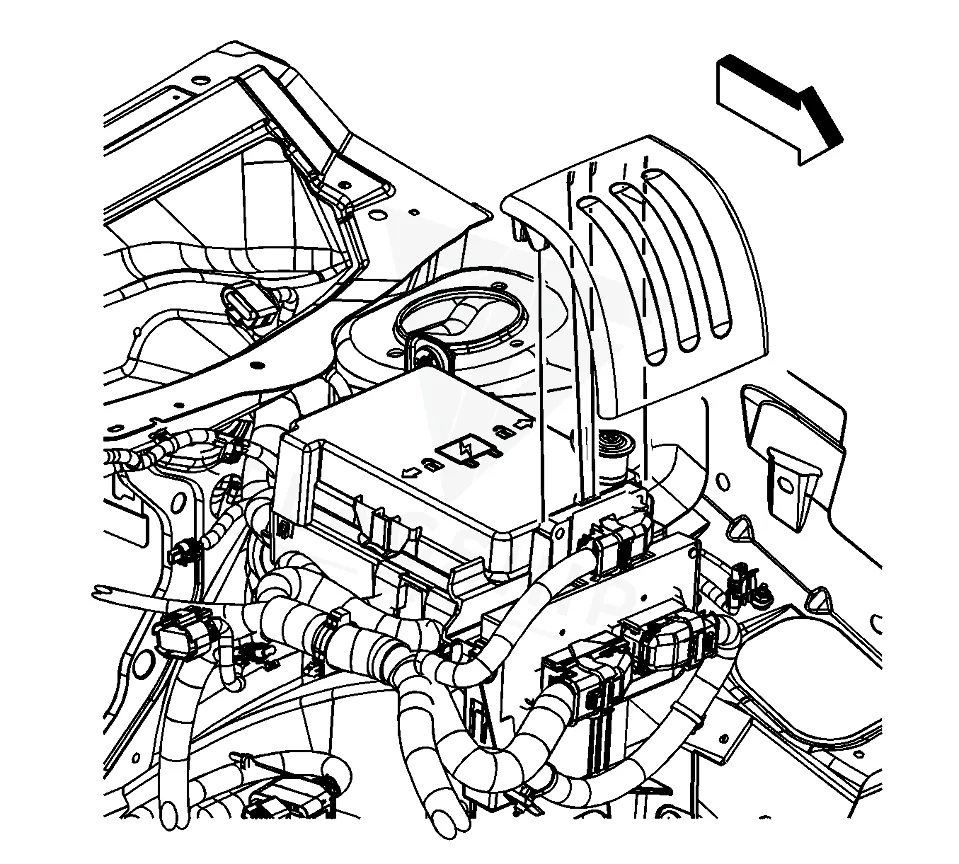
Work with the ignition off, and treat the module as static-sensitive: avoid touching the connector pins at any point.
| Operation | Configuration | Book Time |
|---|---|---|
| Powertrain Control Module R&R | All configurations | 0.9 hr |
| Engine Control Module R&R | All configurations | 0.9 hr |
| Engine Control Module Relearn | All configurations | 0.5 hr |
2006 Chevrolet Cobalt
OEM programmed ECM for your 2006 Chevrolet Cobalt — plug & play, no dealer visit.
Free shipping · Lifetime warranty
After installing a new PCM or ECM in your 2006 Chevrolet Cobalt, the factory procedure requires capturing the original module’s data using a scan tool and restoring it to the replacement unit. This step ensures the new module retains the vehicle’s specific calibration, including fuel maps, transmission shift points, and emissions settings. Skipping this process may result in poor engine performance, shifting issues, or even a no-start condition. However, when you opt for a VIN-programmed replacement unit, this data transfer is already completed before the module arrives. This eliminates the need for post-install programming, saving time and reducing the risk of errors during the repair. The relearn procedure, which takes about 0.5 hours, may still be necessary to synchronize the new module with the vehicle’s sensors and systems, but the critical data restoration step is handled upfront.
When the PCM or ECM in your 2006 Chevrolet Cobalt begins to fail, you may notice a range of symptoms that can affect drivability and reliability. One of the most common signs is a no-start condition, where the engine cranks but fails to fire. Stalling or rough idling may also occur, particularly when the vehicle is warm or under load. Misfires, poor acceleration, or sudden drops in fuel economy can indicate the module is struggling to manage engine functions properly. In some cases, the check engine light will illuminate, and a scan tool may reveal internal module trouble codes like an internal control module memory error. Other potential codes include P0602, P0603, or P1621, which often point to corruption in the module’s memory or communication failures. If the module loses communication with the scan tool entirely, it may indicate a complete failure. Transmission shifting issues, such as harsh or delayed gear changes, can also stem from PCM problems. Addressing these symptoms promptly can prevent further damage to the vehicle’s systems and restore smooth operation.
The 2006 Chevrolet Cobalt may store several internal module trouble codes when the PCM or ECM experiences faults. These codes typically indicate issues with the module’s memory, processing, or communication capabilities. Identifying and addressing them early can prevent more severe drivability problems.
Factory service bulletin #05-06-04-060 addresses internal module trouble codes P0601, P0602, P0603, P0604, and P1621, which may be shared across multiple control modules in the 2006 Chevrolet Cobalt. The bulletin outlines diagnostic steps to determine whether the issue stems from the PCM, ECM, or transmission control module (TCM). It emphasizes the importance of verifying the root cause before replacing any components, as these codes can sometimes indicate wiring or connector issues rather than a faulty module. Following the bulletin’s guidance can help avoid unnecessary part replacements and ensure repairs are targeted and effective.
| Bulletin | Subject | What It Addresses |
|---|---|---|
| 05-06-04-060 | Powertrain Control Module (PCM), Engine Control Module (ECM), Transmission Control Module (ECM) | — |
Stalling when warm can indicate a failing PCM or ECM, as the module may struggle to maintain proper fuel or ignition timing under higher temperatures. Internal module faults or poor electrical connections can also contribute to this issue. A scan tool can help identify whether the problem stems from the module or another component.
While the vehicle may still run with a P0601 code, it’s not advisable to ignore it. This code indicates an internal control module memory error, which can lead to erratic engine behavior or a no-start condition. Addressing the issue promptly can prevent further complications.
Common signs include a no-start condition, stalling, misfires, or stored internal module trouble codes like P0601 or P0603. If the module fails to communicate with a scan tool, replacement is often necessary. A professional diagnosis can confirm whether the issue lies with the module or another component.
Skipping the data capture step can result in poor engine performance, shifting issues, or a no-start condition. The new module must be programmed with the vehicle’s specific calibration to function correctly. Using a VIN-programmed replacement unit eliminates this risk by ensuring the data is pre-loaded.
Replacing the module itself is straightforward, but the programming and relearn procedures require specialized tools and knowledge. If you’re not familiar with these steps, it’s best to have the work done by a professional to avoid potential issues with drivability or module damage.
If your 2006 Chevrolet Cobalt is experiencing symptoms of a failing PCM or ECM, you have options for repair. While a dealership may recommend a new module with factory programming, a refurbished replacement unit can offer a cost-effective alternative. For owners seeking a hassle-free solution, a VIN-programmed unit ensures the module arrives ready to install, eliminating the need for post-replacement data restoration. Whether you choose to tackle the repair yourself or leave it to a professional, understanding the process helps you make the best decision for your vehicle’s needs.
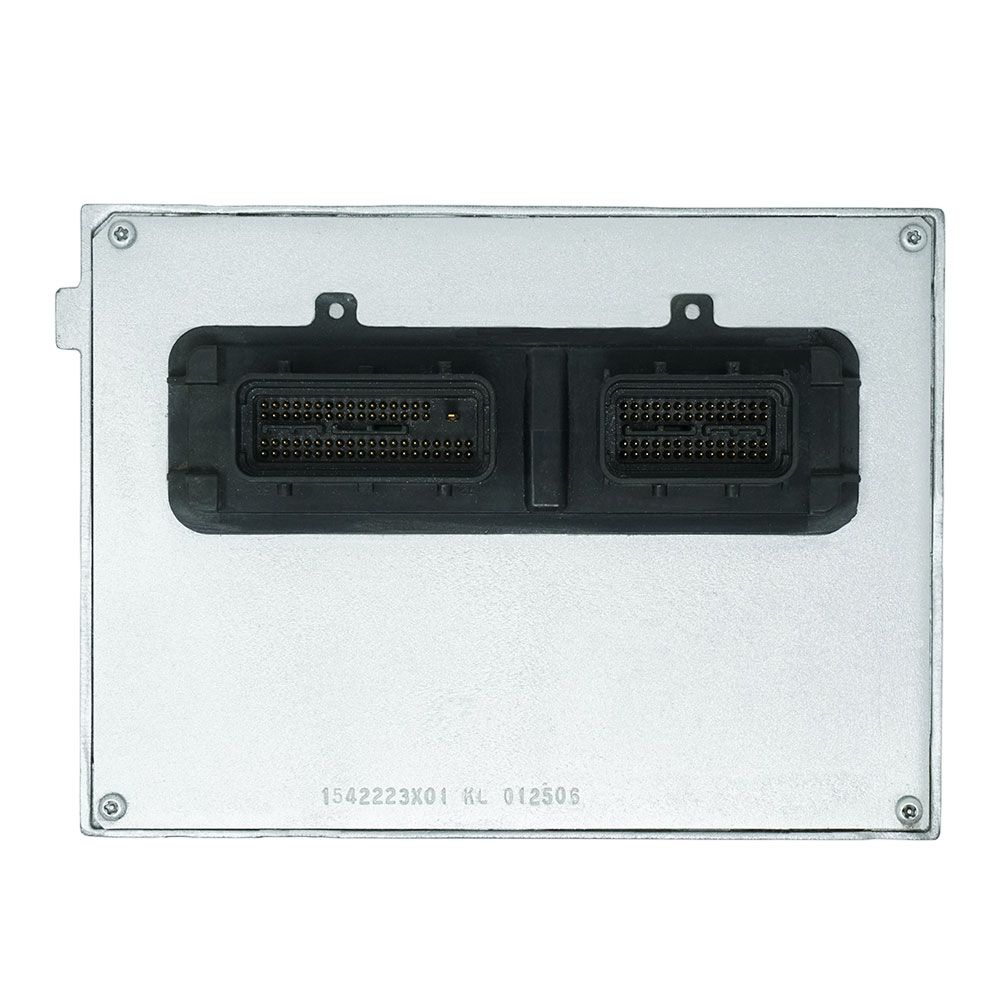
Flagship One stocks a refurbished, VIN-programmed PCM for the 2006 Chevrolet Cobalt with a lifetime warranty, free shipping and no core charge. The full Chevrolet Cobalt module lineup covers other engine configurations as well.
The PCM and ECM in your 2006 Chevrolet Cobalt play a critical role in ensuring smooth engine performance and reliable operation. When these modules fail, symptoms like stalling, misfires, or internal trouble codes can disrupt your driving experience. Replacing a faulty module involves more than just swapping hardware—it requires careful data management and programming to restore proper function. By addressing issues promptly and opting for a VIN-programmed replacement unit, you can simplify the repair process and get your Cobalt back on the road with confidence.