
Last updated on August 25th, 2026 at 02:25 pm
The Engine Control Module (ECM) in the 2008 Chevrolet Cobalt manages fuel delivery, ignition timing, and emissions systems. Failure may cause erratic engine behavior, stored trouble codes, or a no-start condition, often requiring replacement and reprogramming.
If your 2008 Chevrolet Cobalt is stalling unexpectedly, refusing to start, or triggering the check engine light with internal module codes, the Engine Control Module (ECM) may be failing. This component acts as the brain of your engine, regulating fuel, ignition, and emissions systems. Replacing it involves more than just swapping hardware—factory procedures require data capture, relearn steps, and careful handling to avoid damage. Understanding these requirements helps you avoid unnecessary setbacks and ensures your vehicle runs reliably after the repair.
In the 2008 Chevrolet Cobalt, the Engine Control Module (ECM) processes sensor inputs to optimize engine performance, fuel efficiency, and emissions compliance. It adjusts ignition timing, fuel injection, and idle speed in real time, making it essential for smooth operation. When the ECM fails, you may experience replacement engine computers for the Cobalt that restore lost functionality, but proper installation and programming are critical to avoid further issues. Without a functioning ECM, your vehicle may not start or could run poorly, leading to drivability concerns.
The ECM in the 2008 Chevrolet Cobalt is typically mounted in the engine bay, secured to the firewall or inner fender. Replacement involves disconnecting the battery, removing electrical connectors, and unbolting the module. Factory labor estimates for Engine Control Module R&R are 0.9 hours, while the relearn procedure adds another 0.5 hours. Care must be taken to avoid touching the metal case with battery voltage, as this may damage the new module. Always capture ECM data with a scan tool before removal to preserve vehicle-specific settings.
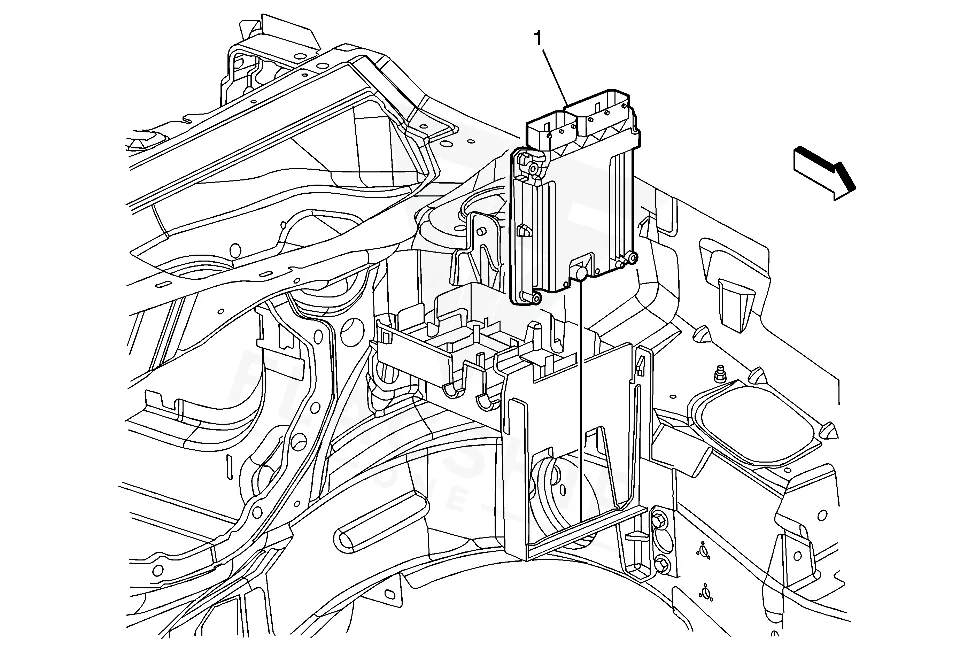
Work with the ignition off, and treat the module as static-sensitive: avoid touching the connector pins at any point.
| Operation | Configuration | Book Time |
|---|---|---|
| Engine Control Module R&R | All configurations | 0.9 hr |
| Engine Control Module Relearn | All configurations | 0.5 hr |
| Powertrain Control Module R&R | All configurations | 0.9 hr |
| Powertrain Control Module Relearn | All configurations | 0.5 hr |
2008 Chevrolet Cobalt
OEM programmed ECM for your 2008 Chevrolet Cobalt — plug & play, no dealer visit.
Free shipping · Lifetime warranty
After installing a new ECM in your 2008 Cobalt, the factory requires a relearn procedure to synchronize the module with the vehicle’s systems. This involves restoring captured data and performing a clutch pedal position sensor (CPPS) learn if applicable. However, a VIN-programmed replacement unit from Flagship One arrives pre-configured, eliminating the need for on-site programming. This ensures immediate compatibility and reduces the risk of errors during the installation process, saving time and avoiding potential drivability issues.
A failing ECM in the 2008 Chevrolet Cobalt may cause a range of symptoms, including intermittent stalling, rough idle, or a no-start condition. You might also notice the check engine light illuminating with internal module codes, such as an internal control module memory error. Other signs include poor fuel economy, misfires, or transmission shifting issues, as the ECM influences multiple engine and drivetrain functions. If your scan tool fails to communicate with the module, it may indicate a complete failure requiring replacement.
The 2008 Chevrolet Cobalt’s ECM may store specific internal trouble codes when it malfunctions. These codes help diagnose issues related to memory corruption, sensor synchronization, or communication failures within the module itself.
Factory service bulletins for the 2008 Chevrolet Cobalt address ECM-related concerns, including intermittent MIL illumination with codes P0335 (crankshaft position sensor circuit) or P2610 (control module ignition off timer). Bulletin #08-06-04-035 and its update #08-06-04-035A recommend reprogramming the ECM to resolve these issues. Another bulletin, #PIP4224B, cancels previous part restrictions for the E-37 ECM, simplifying replacement options for technicians.
| Bulletin | Subject | What It Addresses |
|---|---|---|
| 08-06-04-035 | LNF, Intermittent MIL/SES Light Illuminated, DTCs P0335 and/or P2610 Set (Reprogram Engine Cont | Some customers may comment on a intermittent Malfunction Indicator Lamp (MIL)/Service Engine Soon (SES) light illuminated with no engine performance concerns.… |
| — | Cancellation of E-37 Engine Control Module (ECM) Part Restriction – (Apr 4, 2008) | — |
The relearn procedure synchronizes the new ECM with your vehicle’s sensors and systems, including the clutch pedal position sensor if equipped. Without it, the engine may not start or could run poorly. Factory procedures require this step to ensure proper communication between components.
While physically replacing the ECM is straightforward, the process requires capturing data before removal and performing a relearn afterward. Specialized tools and software are needed for programming, so professional installation is often recommended to avoid complications.
Common causes include voltage spikes from jump-starting, corrosion in electrical connectors, or prolonged exposure to heat and moisture. Internal memory corruption or sensor feedback issues may also lead to failure over time.
If your 2008 Chevrolet Cobalt is experiencing ECM-related issues, you have options for repair or replacement. While reprogramming the existing module may resolve some software-related faults, a faulty unit will require replacement. A pre-programmed ECM ensures compatibility and reduces installation time, making it a practical choice for restoring reliable operation.
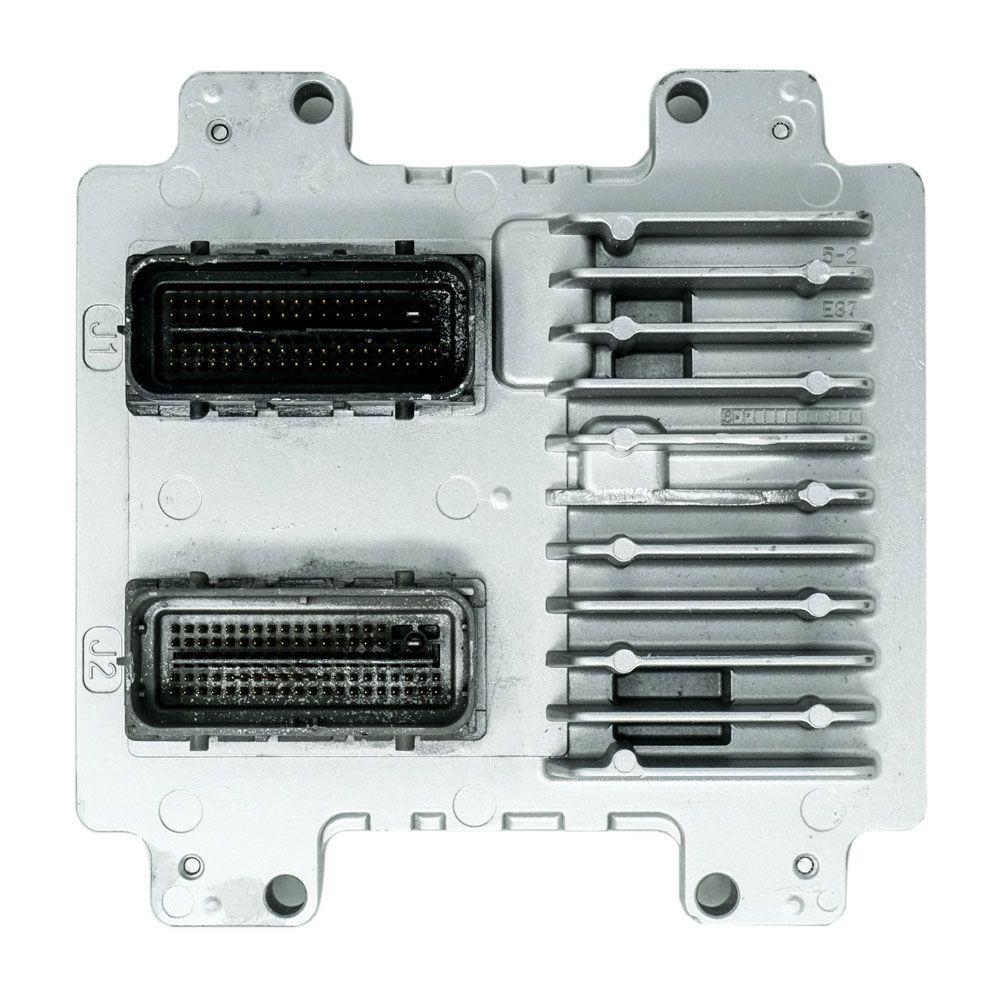
Flagship One stocks a refurbished, VIN-programmed PCM for the 2008 Chevrolet Cobalt with a lifetime warranty, free shipping and no core charge. The full Chevrolet Cobalt module lineup covers other engine configurations as well.
The 2008 Chevrolet Cobalt relies on its ECM for smooth engine performance, and addressing failures promptly can prevent further drivability issues. Whether you opt for reprogramming or replacement, following factory procedures ensures your vehicle runs as intended. Consider a pre-configured module to simplify the process and get back on the road sooner.