
Last updated on August 25th, 2026 at 02:24 pm
The engine control module (ECM) in your 2010 Chevrolet Cobalt manages fuel delivery, ignition timing, and emissions systems. Failures may cause erratic engine behavior, poor performance, or a complete no-start condition due to internal faults or voltage-related damage.
If your 2010 Chevrolet Cobalt has been stalling, failing to start, or throwing mysterious engine codes, the engine control module (ECM) or powertrain control module (PCM) may be the culprit. These components act as the brain of your vehicle’s engine and transmission, managing everything from fuel injection to shift timing. Replacing them isn’t just about swapping parts—it involves careful handling to avoid voltage damage, proper programming to match your vehicle’s specifications, and a relearn procedure to ensure smooth operation. Understanding the process helps you avoid costly mistakes and ensures your Cobalt runs reliably after the repair.
In your 2010 Chevrolet Cobalt, the engine control module (ECM) regulates critical engine functions like fuel mixture, ignition timing, and emissions controls. It constantly adjusts these parameters based on sensor inputs to optimize performance and efficiency. The powertrain control module (PCM) often works alongside it, managing transmission behavior and coordinating with the ECM for seamless operation. When either module fails, your vehicle may experience poor drivability, reduced fuel economy, or even a complete breakdown. Replacing a faulty unit with replacement engine computers for the Cobalt ensures compatibility and restores proper engine management, but proper installation and programming are essential to avoid further issues.
The ECM in your 2010 Chevrolet Cobalt is typically mounted in the engine bay, secured to the firewall or inner fender. Replacing it involves disconnecting the battery, removing the electrical connector and mounting bolts, then installing the new unit in reverse order. Labor time for removal and reinstallation is usually 0.9 hours, according to factory estimates. After installation, a 0.5-hour relearn procedure is required to synchronize the module with your vehicle’s systems. Always ensure the module’s metal case does not contact battery voltage during service, as this can cause irreversible damage.
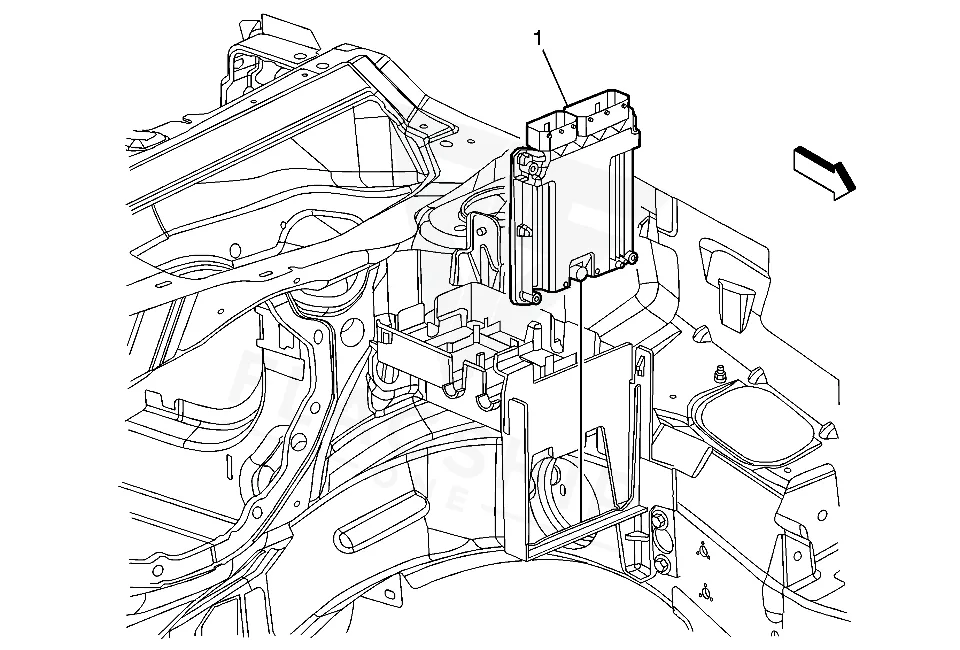
Work with the ignition off, and treat the module as static-sensitive: avoid touching the connector pins at any point.
| Operation | Configuration | Book Time |
|---|---|---|
| Engine Control Module R&R | All configurations | 0.9 hr |
| Engine Control Module Relearn | All configurations | 0.5 hr |
| Powertrain Control Module R&R | All configurations | 0.9 hr |
| Powertrain Control Module Relearn | All configurations | 0.5 hr |
2010 Chevrolet Cobalt
OEM programmed ECM for your 2010 Chevrolet Cobalt — plug & play, no dealer visit.
Free shipping · Lifetime warranty
After replacing the ECM or PCM in your 2010 Chevrolet Cobalt, the factory procedure requires reprogramming the module to match your vehicle’s specific calibration. This process involves specialized equipment and software to ensure proper communication with the engine and transmission systems. However, if you opt for a VIN-programmed replacement unit, these programming steps are already completed, saving you time and reducing the risk of errors during installation. The relearn procedure, which takes about 0.5 hours, is still necessary to finalize the setup and ensure optimal performance.
A failing ECM or PCM in your 2010 Chevrolet Cobalt may cause a range of symptoms, including intermittent stalling, rough idling, or a no-start condition. You might also notice poor acceleration, reduced fuel efficiency, or the check engine light illuminating with codes like an internal control module memory error. In some cases, the vehicle may enter a limp-home mode, limiting engine power to prevent further damage. If your scan tool fails to communicate with the module, it could indicate a complete failure or a voltage-related issue. Addressing these symptoms promptly can prevent more severe drivability problems down the road.
When the ECM or PCM in your 2010 Chevrolet Cobalt fails, it often triggers specific trouble codes stored in the vehicle’s onboard diagnostics. These codes help pinpoint the issue, though they typically indicate an internal module fault rather than a wiring or sensor problem.
| Code | Meaning | Full Guide |
|---|---|---|
| P0601 | Internal memory checksum error | Full P0601 guide → |
| P0602 | Control module programming error | Full P0602 guide → |
| P0603 | Keep-alive memory (KAM) error | Full P0603 guide → |
| P0604 | Internal RAM error | Full P0604 guide → |
| P0606 | Module processor failure | Full P0606 guide → |
| P062F | Internal EEPROM error | Full P062F guide → |
| P064D | Module-internal fault | — |
| P1621 | Control module long-term memory performance | Full P1621 guide → |
| P167D | Module-internal fault | — |
General Motors has issued service bulletins addressing voltage-related damage to control modules in the 2010 Chevrolet Cobalt. Bulletin #05-07-30-016 and its update #05-07-30-016C warn that the Transmission Control Module (TCM) may short to battery voltage during diagnosis, service, or jump-starting. This can occur if the module’s case contacts live electrical components, leading to permanent damage. Following proper procedures when servicing the vehicle or using booster cables can help prevent these issues.
| Bulletin | Subject | What It Addresses |
|---|---|---|
| 05-07-30-016 | Transmission Control Module (TCM) Shorted to Battery Voltage During Diagnosis, Service or Jump | — |
While it’s physically possible to replace the ECM, the process requires careful handling to avoid voltage damage. Additionally, the module must be programmed to your vehicle’s specifications, which typically requires professional equipment. If you’re not experienced with automotive electronics, it’s best to have the work done by a qualified technician.
Stalling after an ECM replacement often indicates that the relearn procedure wasn’t completed. This step synchronizes the module with your vehicle’s sensors and systems. Without it, the engine may run poorly or stall. A scan tool is typically required to perform the relearn, which takes about 0.5 hours.
If your vehicle throws internal module trouble codes like P0601 or P0603, the ECM itself is likely faulty. However, if the codes point to sensor or circuit issues, the problem may lie in the wiring or connectors. A thorough inspection of the electrical system can help determine the root cause.
If your 2010 Chevrolet Cobalt is experiencing ECM or PCM-related issues, you have options. A repair shop can diagnose and replace the module, though labor and programming costs can add up. Alternatively, a pre-programmed replacement unit ensures compatibility and eliminates the need for on-site programming, streamlining the repair process. Either way, addressing the problem promptly can restore your vehicle’s performance and reliability.
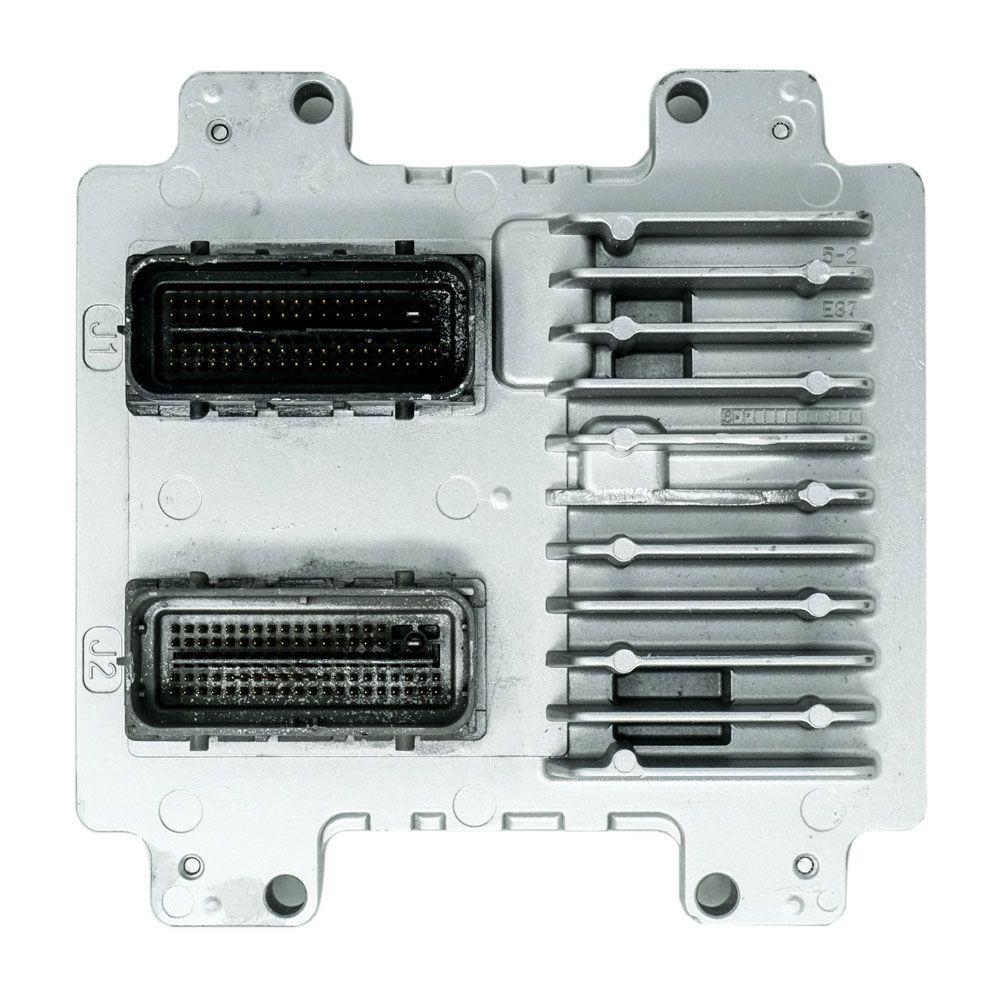
Flagship One stocks a refurbished, VIN-programmed PCM for the 2010 Chevrolet Cobalt with a lifetime warranty, free shipping and no core charge. The full Chevrolet Cobalt module lineup covers other engine configurations as well.
The 2010 Chevrolet Cobalt relies on its ECM and PCM to manage critical engine and transmission functions. If you’re dealing with stalling, poor performance, or internal module codes, replacement may be necessary. By following proper procedures and opting for a pre-programmed unit, you can ensure a smooth repair and get your Cobalt back on the road with confidence.