
Last updated on August 25th, 2026 at 02:27 pm
In the 2005 Chevrolet Astro, the powertrain control module (PCM) and engine control module (ECM) manage engine timing, fuel delivery, and transmission shifting. Failure of either unit can trigger multiple diagnostic codes, disrupt sensor communication, and prevent the vehicle from starting or running smoothly.
When a 2005 Chevrolet Astro exhibits erratic performance, the powertrain and engine control modules are often the first suspects. This guide explains what these computers do, how they are accessed, and what steps are needed after a swap. By following the outlined procedures, you can diagnose, replace, and verify proper operation with confidence.
The PCM and ECM in a 2005 Chevrolet Astro act as the vehicle’s central nervous system, interpreting sensor data to control fuel injection, ignition timing, and transmission shift points. Their proper function is essential for reliable power delivery and emissions compliance. Understanding their role helps you see why a fault can cause multiple error codes and why a correct replacement is critical. 2005 Astro replacement engine module ensures the vehicle returns to normal operation once installed.
Both the PCM and ECM are mounted within the vehicle’s engine compartment, accessible for removal without extensive disassembly. The factory labor guide lists one hour for each module swap, reflecting the time needed to disconnect battery cables, remove the PCM or ECM pigtail, and secure the new unit. A quick ECM reset can be performed in about 0.3 hours, following the same access steps.
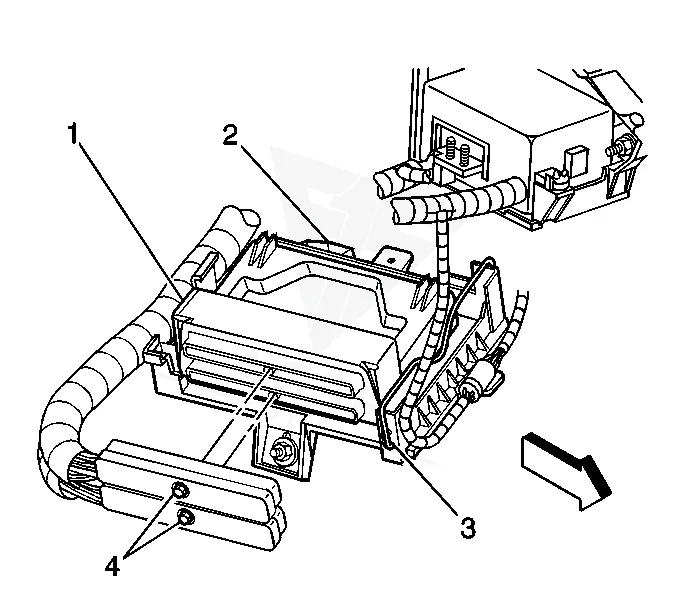
Work with the ignition off, and treat the module as static-sensitive: avoid touching the connector pins at any point.
| Operation | Configuration | Book Time |
|---|---|---|
| Powertrain Control Module R&R | All configurations | 1.0 hr |
| Engine Control Module R&R | All configurations | 1.0 hr |
| Engine Control Module Reset | All configurations | 0.3 hr |
2005 Chevrolet Astro
OEM programmed ECM for your 2005 Chevrolet Astro — plug & play, no dealer visit.
Free shipping · Lifetime warranty
After installing a new PCM or ECM, the factory procedure requires programming the replacement to match the vehicle’s VIN and calibration data. Flagship One units arrive already VIN-programmed, so the post‑install step is effectively completed. a VIN-programmed replacement unit eliminates the need for additional dealer programming.
Typical signs of a failing PCM or ECM in a 2005 Chevrolet Astro include a no‑start condition, intermittent stalling, rough idle, and loss of transmission shift control. You may also see multiple diagnostic trouble codes appear on a scan tool, such as communication error code that indicates internal processor communication problems. These symptoms often coincide with dead scan‑tool communication and erratic sensor readings.
The following diagnostic trouble codes are commonly logged by the PCM and ECM in a 2005 Chevrolet Astro:
Service bulletin #05-06-04-060, dated September 23, 2005, addresses shared DTCs P0601 through P0604, as well as P1621, across the PCM, ECM, and TCM. The bulletin outlines diagnostic steps and recommended actions for these codes.
| Bulletin | Subject | What It Addresses |
|---|---|---|
| 05-06-04-060 | Powertrain Control Module (PCM), Engine Control Module (ECM), Transmission Control Module (ECM) | — |
Yes, the physical replacement can be done with basic hand tools, but the new PCM must be programmed to the vehicle’s VIN, which typically requires a scan tool or a pre‑programmed unit.
P0601 signals an internal communication error within the PCM or ECM, often caused by a faulty module, poor electrical connection, or voltage irregularities.
A reset may be performed, but the primary requirement is to ensure the replacement is correctly programmed; the reset step is listed as 0.3 hours in the labor guide.
When the PCM or ECM fails in your 2005 Chevrolet Astro, you can choose a repair that follows factory labor times or opt for a refurbished replacement that meets the same specifications. Both approaches aim to restore proper engine and transmission control while respecting the vehicle’s original design.
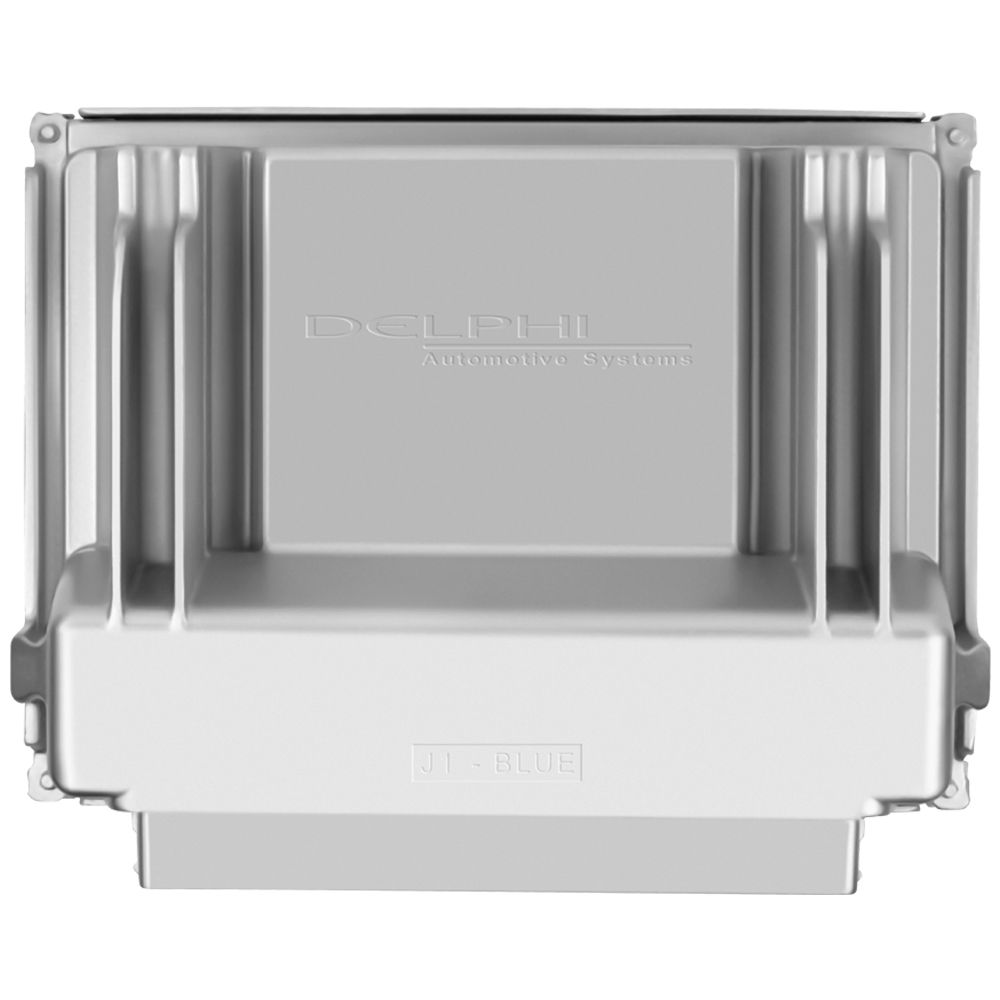
Flagship One stocks a refurbished, VIN-programmed PCM for the 2005 Chevrolet Astro with a lifetime warranty, free shipping and no core charge. The full Chevrolet Astro module lineup covers other engine configurations as well.
The 2005 Chevrolet Astro relies on its PCM and ECM for smooth operation. Whether you repair or replace, following the proper procedures helps ensure reliable performance. Consider a VIN‑programmed unit to simplify post‑install steps.