
Last updated on August 25th, 2026 at 02:27 pm
In the 2004 Chevrolet Astro the Powertrain Control Module (PCM) and Engine Control Module (ECM) act as the vehicle’s brain, managing fuel injection, ignition timing, transmission shift strategy and emission controls. Failure of either unit typically results from internal processor faults or damaged circuitry, which can trigger a range of diagnostic trouble codes and loss of driveability.
When a 2004 Chevrolet Astro begins to exhibit intermittent stalling, loss of power, or a cascade of diagnostic trouble codes, the underlying cause often points to the Powertrain Control Module or Engine Control Module. These electronic controllers coordinate the engine’s fuel, spark, and transmission functions, and any internal fault can quickly translate into a noticeable loss of performance. This guide walks you through what the modules do, where they live, how to replace them safely, and what steps are required after installation. By the end, you should understand the key cautions, labor expectations, and how Flagship One’s VIN‑programmed replacements simplify the re‑calibration process.
The PCM in the 2004 Chevrolet Astro serves as the central processor for the powertrain, interpreting sensor data and directing fuel delivery, ignition timing, and transmission shift points. It also monitors emission‑related components to ensure compliance with regulatory standards. The ECM performs a similar role focused on engine‑specific operations, handling spark timing, fuel injector pulse width, and idle control. Both modules store fault codes when parameters fall outside calibrated limits, enabling technicians to pinpoint issues quickly. Because the Astro relies on these computers for coordinated operation, a malfunction can lead to no‑start conditions, rough idle, or erratic shifting. Proper function is critical for fuel efficiency and drivability, and replacement must be performed with attention to electrical safety. The vehicle’s design expects replacement engine control modules for the Astro to be installed with the ignition off and connectors secured to prevent damage.
The PCM and ECM are mounted within the engine compartment, typically attached to the firewall or near the intake manifold on the 2004 Chevrolet Astro. Access requires removal of a few heat shields and the battery cable to isolate power, following the factory caution to keep the ignition off. Labor time is listed as 1.0 hour for each module replacement, reflecting the steps to disconnect the PCM pigtail, remove the mounting bolts, and reinstall the new unit. If only the ECM is being addressed, the job may take 0.3 hours for a reset after the part is in place. The process emphasizes careful handling of connector pins and avoidance of electrostatic discharge throughout the swap.
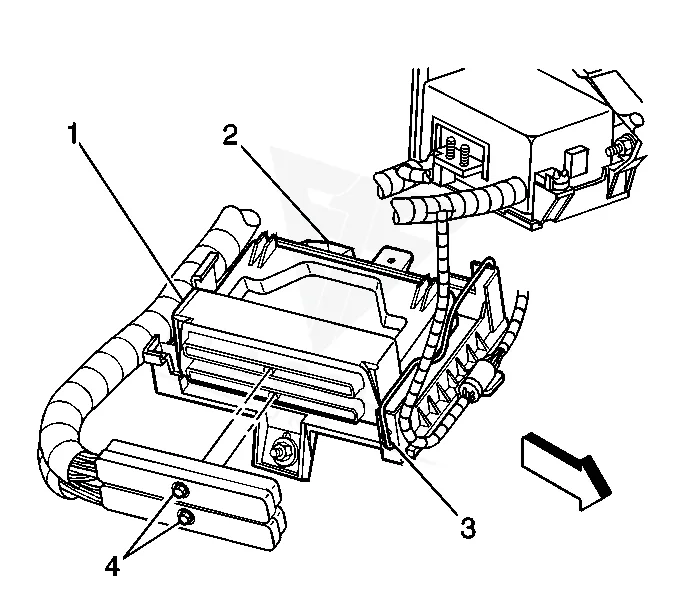
Work with the ignition off, and treat the module as static-sensitive: avoid touching the connector pins at any point.
| Operation | Configuration | Book Time |
|---|---|---|
| Powertrain Control Module R&R | All configurations | 1.0 hr |
| Engine Control Module R&R | All configurations | 1.0 hr |
| Engine Control Module Reset | All configurations | 0.3 hr |
2004 Chevrolet Astro
OEM programmed ECM for your 2004 Chevrolet Astro — plug & play, no dealer visit.
Free shipping · Lifetime warranty
After installing a new PCM or ECM in the Astro, the factory procedure calls for a programming step that aligns the module with the vehicle’s VIN and calibration data. This operation typically involves a dealer‑level scan tool to write the correct software version and load the appropriate parameters. Flagship One units arrive already VIN‑programmed, so the required re‑calibration is completed before the part reaches your shop. When you install a VIN-programmed replacement unit, the post‑install programming step is effectively satisfied, allowing you to focus on final torque checks and system verification.
When the PCM or ECM begins to fail in a 2004 Chevrolet Astro, owners often notice a sudden loss of engine power, difficulty starting, or unexpected stalling at low speeds. The vehicle may also exhibit irregular transmission shifts, rough idle, or a complete lack of communication with a scan tool, which can trigger multiple diagnostic codes. One common fault is processor communication error, indicating that the internal processor cannot exchange data with other control modules. Additional signs include illuminated check‑engine lights, reduced fuel efficiency, and occasional misfire detections. Prompt attention to these symptoms helps avoid further damage to related sensors and driveline components.
The following internal trouble codes are documented for the 2004 Chevrolet Astro and may appear when the PCM or ECM experiences a fault:
The replacement is feasible with basic mechanical tools, but you must follow the factory cautions, keep the ignition off, and ensure the new unit is VIN‑programmed to avoid additional dealer reprogramming.
Factory book time lists 0.3 hours for an ECM reset, reflecting the quick nature of the procedure once the module is installed and powered.
Keeping the ignition off prevents unintended voltage on the module’s internal circuits, which could cause permanent damage during removal or reconnection.
A dealer‑level scan tool is normally required, but Flagship One units arrive pre‑programmed, eliminating the need for that step.
Direct contact can introduce electrostatic discharge, potentially destroying the module’s delicate electronics, so ESD precautions are essential.
When the PCM or ECM in your 2004 Chevrolet Astro needs attention, you can choose a brand‑new factory‑programmed replacement or a refurbished unit that meets the same specifications. Both options require the same removal steps and labor time, but a VIN‑programmed part from Flagship One removes the need for post‑install programming, simplifying the overall repair process.
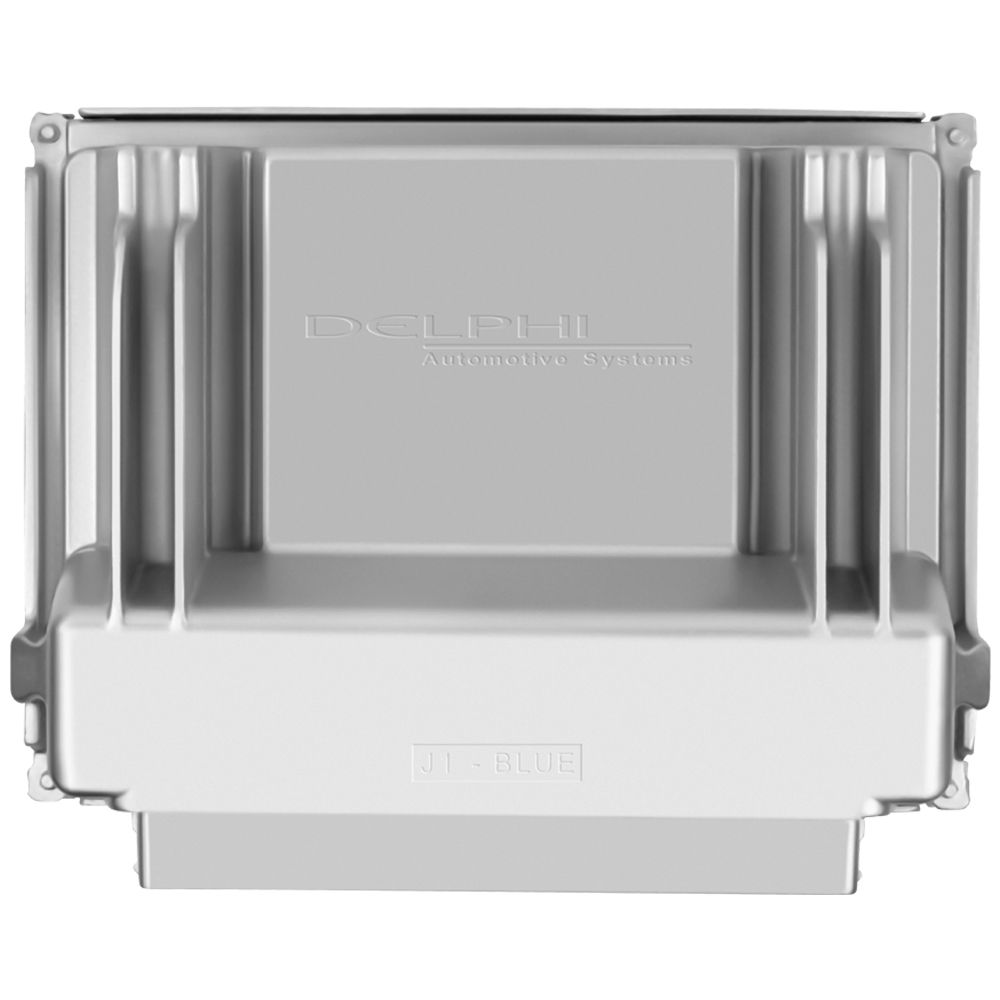
Flagship One stocks a refurbished, VIN-programmed PCM for the 2004 Chevrolet Astro with a lifetime warranty, free shipping and no core charge. The full Chevrolet Astro module lineup covers other engine configurations as well.
Replacing the PCM or ECM on a 2004 Chevrolet Astro can restore reliable powertrain operation and clear persistent trouble codes. Consider a VIN‑programmed replacement to reduce downtime and ensure the module is ready for immediate use.