
Last updated on August 25th, 2026 at 01:03 pm
In the 2001 Mercury Cougar, the powertrain control module (PCM) and engine control module (ECM) act as the vehicle’s electronic brain, managing fuel injection, ignition timing, and emissions controls. Failure of either unit typically results in stored diagnostic trouble codes, MIL illumination, and reduced drivability, requiring removal and replacement to restore proper engine operation.
When a 2001 Mercury Cougar begins to show warning lights or erratic idle, the underlying cause often traces back to its electronic control modules. Understanding how the powertrain control module (PCM) and engine control module (ECM) function, along with the specific service procedures for this model, can help you diagnose the issue and decide whether a repair or replacement is warranted. This guide walks you through the role of these modules, the typical labor involved, relevant factory bulletins, and the programming steps required to get your Cougar back on the road with confidence.
The PCM in the 2001 Mercury Cougar monitors engine speed, throttle position, and emissions output, using that data to adjust fuel delivery and ignition timing for optimal performance. Likewise, the ECM oversees sensor inputs, controls the fuel injectors, and manages the idle control valve. Together, they ensure the engine runs smoothly and meets emissions standards. A malfunction in either module can trigger diagnostic trouble codes, illuminate the MIL, and cause rough idle or reduced power. Maintaining proper operation is essential for fuel efficiency and emissions compliance. For owners seeking a direct swap, 2001 Mercury Cougar engine control module provides a reliable path to restore function without extensive re‑calibration.
2001 Mercury Cougar
OEM programmed ECM for your 2001 Mercury Cougar — plug & play, no dealer visit.
Free shipping · Lifetime warranty
Both the PCM and ECM reside within the engine compartment of the 2001 Mercury Cougar, typically mounted near the firewall for easy access. Removal involves disconnecting the electrical connector, unbolting the unit, and extracting it from its bracket. The factory labor guide lists 0.4 hours for each module removal and replacement, reflecting the straightforward nature of the task. After the unit is seated and fastened, reconnect the harness and verify that all fasteners are torqued to the manufacturer’s specification if provided. The process is designed to be completed quickly, allowing the vehicle to return to service with minimal downtime.
Work with the ignition off, and treat the module as static-sensitive: avoid touching the connector pins at any point.
| Operation | Configuration | Book Time |
|---|---|---|
| Powertrain Control Module R&R | All configurations | 0.4 hr |
| Powertrain Control Module Relearn | All configurations | 0.5 hr |
| Engine Control Module R&R | All configurations | 0.4 hr |
Once a new PCM or ECM is installed in the 2001 Mercury Cougar, the factory procedure calls for a relearn cycle that takes about 0.5 hours, during which the vehicle’s computer calibrates to the new hardware. Flagship One supplies units that arrive VIN‑programmed, so the a VIN-programmed replacement unit already contains the correct calibration data, eliminating the need for additional on‑site programming steps. Technicians can focus on the physical installation and the brief relearn operation, confident that the replacement module matches the vehicle’s specifications.
Typical signs of a failing PCM or ECM in a 2001 Mercury Cougar include a illuminated malfunction indicator lamp, rough idle, loss of power, and intermittent stalling. Drivers may also notice that the engine fails to start or that diagnostic trouble codes appear during a scan. One specific fault often recorded is engine oil contamination P1380, which points to oil contamination affecting sensor readings. When these symptoms arise, the vehicle may exhibit reduced performance and the scan tool may lose communication with the control module, prompting a thorough inspection of the PCM and ECM.
Bulletin 00-03-07 (02) addresses oil contamination and related codes P1380, P1381, and P1383 for 2.0L engines, noting that the MIL may illuminate without immediate drivability concerns. Bulletin 01-09-07 (01) provides service tips for heated oxygen sensor, catalyst, and fuel system monitoring on OBD‑II vehicles. Bulletin 99-13-08 (99) discusses idle speed irregularities, reduced power, rough idle, and stall conditions tied to codes P1381 and P1383, offering diagnostic guidance for the 2.0L Zetec engine.
| Bulletin | Subject | What It Addresses |
|---|---|---|
| 00-03-07 | 2.0L – DIAGNOSTIC TROUBLE CODES (DTCS) P1380, P1381, OR P1383 IN MEMORY – ENGINE – ENGINE OIL C | — |
| 01-09-07 | DRIVEABILITY – HO2S (HEATED OXYGEN SENSOR), CATALYST, AND FUEL SYSTEM MONITORS – OBD II VEHICLE | — |
| 99-13-08 | 2.0L ZETEC ENGINES – IDLE SPEEDS – MALFUNCTION INDICATOR LAMP (MIL) – MALFUNCTION INDICATOR LAM | — |
The factory labor guide estimates about 0.4 hours for removing and installing the powertrain control module on this model.
No unique tools are listed; standard socket and screwdriver sets are sufficient, along with the vehicle’s service connector.
The relearn procedure for the PCM or ECM in a 2001 Mercury Cougar typically requires around 0.5 hours of technician time.
Yes, Service Bulletin 00-03-07 notes that the MIL may light for oil contamination codes without immediate driveability concerns.
A VIN‑programmed unit ensures the module contains the correct calibration data, simplifying installation and eliminating extra programming steps.
When the PCM or ECM in your 2001 Mercury Cougar fails, you can choose between a factory‑refurbished unit or a new Flagship One replacement. Both options restore the vehicle’s electronic control functions, but a VIN‑programmed replacement removes the need for post‑install programming, allowing a quicker return to service.
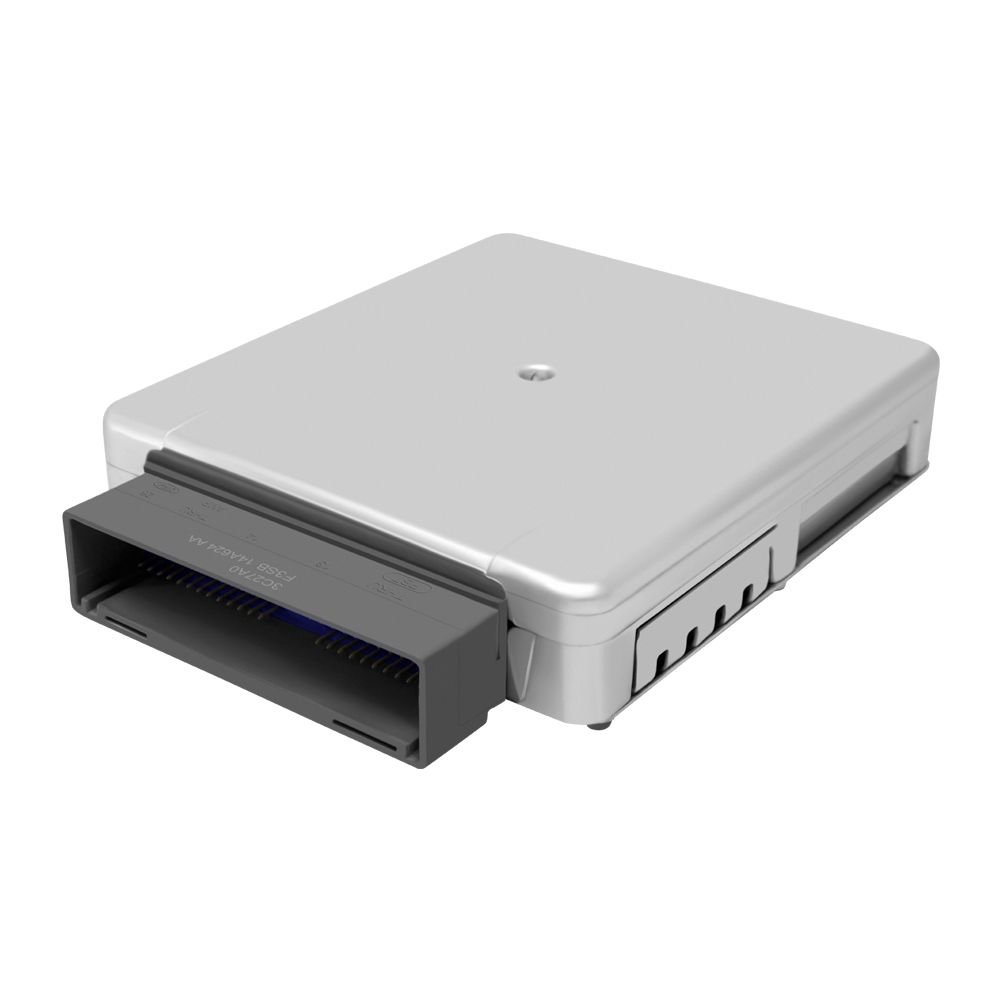
Flagship One stocks a refurbished, VIN-programmed PCM for the 2001 Mercury Cougar with a lifetime warranty, free shipping and no core charge. The full Mercury Cougar module lineup covers other engine configurations as well.
Replacing the powertrain or engine control module on a 2001 Mercury Cougar can resolve MIL illumination and idle issues, returning the vehicle to reliable operation. Consider a VIN‑programmed replacement for a streamlined fix and enjoy restored performance.