
Last updated on August 25th, 2026 at 01:03 pm
In the 1999 Mercury Cougar, the Powertrain Control Module (PCM) and Engine Control Module (ECM) manage fuel delivery, ignition timing, and emission controls. A failure in either unit can trigger the malfunction indicator lamp, cause poor engine response, and generate diagnostic codes such as P0420 or P0430.
When a 1999 Mercury Cougar begins to exhibit a persistent check‑engine light, erratic idle, or loss of power, the underlying cause often traces back to the vehicle’s control modules. The Powertrain Control Module (PCM) and Engine Control Module (ECM) act as the brain for fuel, spark, and emission systems. Understanding how these components function, where they reside, and what steps are required after replacement can help you make an informed decision about repair or refurbishment. This guide walks you through the role of the modules, the typical labor involved, the programming requirements, and practical steps to keep the system healthy, giving you confidence in managing your Cougar’s powertrain health.
The PCM in the 1999 Mercury Cougar interprets sensor data to control fuel injection, transmission shift timing, and emission outputs, while the ECM focuses on engine‑specific parameters like ignition timing and idle control. Together they ensure the engine runs smoothly and meets emissions standards. A malfunction can disrupt fuel delivery, cause stalling, or illuminate the MIL. Maintaining accurate data flow through these units is essential for performance and compliance. Replacement modules must match the vehicle’s specifications, and the process often involves accessing the unit beneath the intake manifold. Proper installation supports reliable engine operation and helps avoid repeated diagnostic trouble codes. replacement engine computers for the 1999 Mercury Cougar ensures the new unit integrates with existing wiring and sensor arrays.
1999 Mercury Cougar
OEM programmed ECM for your 1999 Mercury Cougar — plug & play, no dealer visit.
Free shipping · Lifetime warranty
Both the PCM and ECM are mounted within the engine compartment of the 1999 Mercury Cougar, typically attached to the firewall or near the intake assembly. Removing a unit generally requires disconnecting the electrical connector, unbolting the mounting hardware, and gently extracting the module. The factory book time for a Powertrain Control Module removal and reinstall is 0.4 hours, and the same duration applies to the Engine Control Module. After the hardware is secured, reconnect the harness and verify torque specifications if they are provided in the service manual. The process is straightforward but benefits from careful handling to avoid damaging pins or connectors.
Work with the ignition off, and treat the module as static-sensitive: avoid touching the connector pins at any point.
| Operation | Configuration | Book Time |
|---|---|---|
| Powertrain Control Module R&R | All configurations | 0.4 hr |
| Powertrain Control Module Relearn | All configurations | 0.5 hr |
| Engine Control Module R&R | All configurations | 0.4 hr |
Following replacement of either module, the factory procedure calls for a Powertrain Control Module relearn, which typically takes 0.5 hours of diagnostic time to synchronize sensor calibrations and adapt to the vehicle’s operating parameters. Flagship One supplies units that arrive pre‑programmed to the vehicle’s VIN, eliminating the need for on‑site coding. This means the required relearn step can be completed with a standard scan tool without additional programming. a VIN‑programmed replacement unit streamlines the process and reduces the chance of errors during post‑install configuration.
A failing PCM or ECM in a 1999 Mercury Cougar may present with a check‑engine light, rough idle, reduced acceleration, or intermittent stalling. Drivers often notice a loss of power during warm‑up or a hesitation when shifting gears. Diagnostic trouble codes such as P0420 or P0430 may appear, indicating catalyst efficiency issues that stem from improper fuel control. In some cases, the scan tool may lose communication with the module entirely, resulting in a no‑start condition. When the PCM cannot process sensor inputs correctly, you might also experience erratic transmission behavior or unexpected limp‑mode activation. One specific fault, processor clock signal malfunction, can cause the engine control unit to reset repeatedly, leading to drivability problems.
Service Bulletin 99-04-03 addresses out‑of‑vehicle reprogramming of powertrain control modules. Bulletin 98-24-02 provides PCM reprogramming guidance when replacing the transaxle. Bulletin 04-15-16 discusses MIL illumination with codes P0420 and P0430, offering diagnostic steps for emission‑related failures.
| Bulletin | Subject | What It Addresses |
|---|---|---|
| 99-04-03 | EEC V VEHICLES ONLY – OUT-OF-VEHICLE – REPROGRAMMING POWERTRAIN CONTROL MODULES (PCMS) | — |
| 98-24-02 | CD4E – POWERTRAIN CONTROL MODULE (PCM) REPROGRAMMING INFORMATION WHEN REPLACING TRANSAXLE – TRA | — |
| 04-15-16 | MALFUNCTION INDICATOR LAMP (MIL) ILLUMINATED WITH DIAGNOSTIC TROUBLE CODE(S) P0420 AND/OR P0430 | — |
Typical indicators include a persistent check‑engine light, loss of power during acceleration, and diagnostic codes related to fuel trim or emission efficiency. You may also notice erratic transmission shifting if the PCM cannot communicate properly.
Yes, the vehicle requires a relearn procedure to calibrate the new ECM with existing sensors. The process usually takes about half an hour using a compatible scan tool.
The PCM is accessible in the engine bay and can be removed with basic hand tools, but proper disconnection of the electrical harness and adherence to torque specifications are important to avoid damage.
A VIN‑programmed unit arrives pre‑loaded with the vehicle’s calibration data, so the technician can skip the initial programming step and proceed directly to the relearn, reducing labor time and potential errors.
Check the connector pins for corrosion, verify the battery voltage is within spec, and ensure the module is securely seated. If communication still fails, the PCM may be defective or require a reflash.
When your 1999 Mercury Cougar needs a new PCM or ECM, you can choose between a brand‑new factory‑spec unit or a refurbished replacement that matches the original specifications. Both options restore the vehicle’s engine management functions, but a refurbished unit from Flagship One may offer cost savings while still meeting performance expectations. Evaluate the condition of your current module, consider labor time, and decide which path best fits your repair plan.
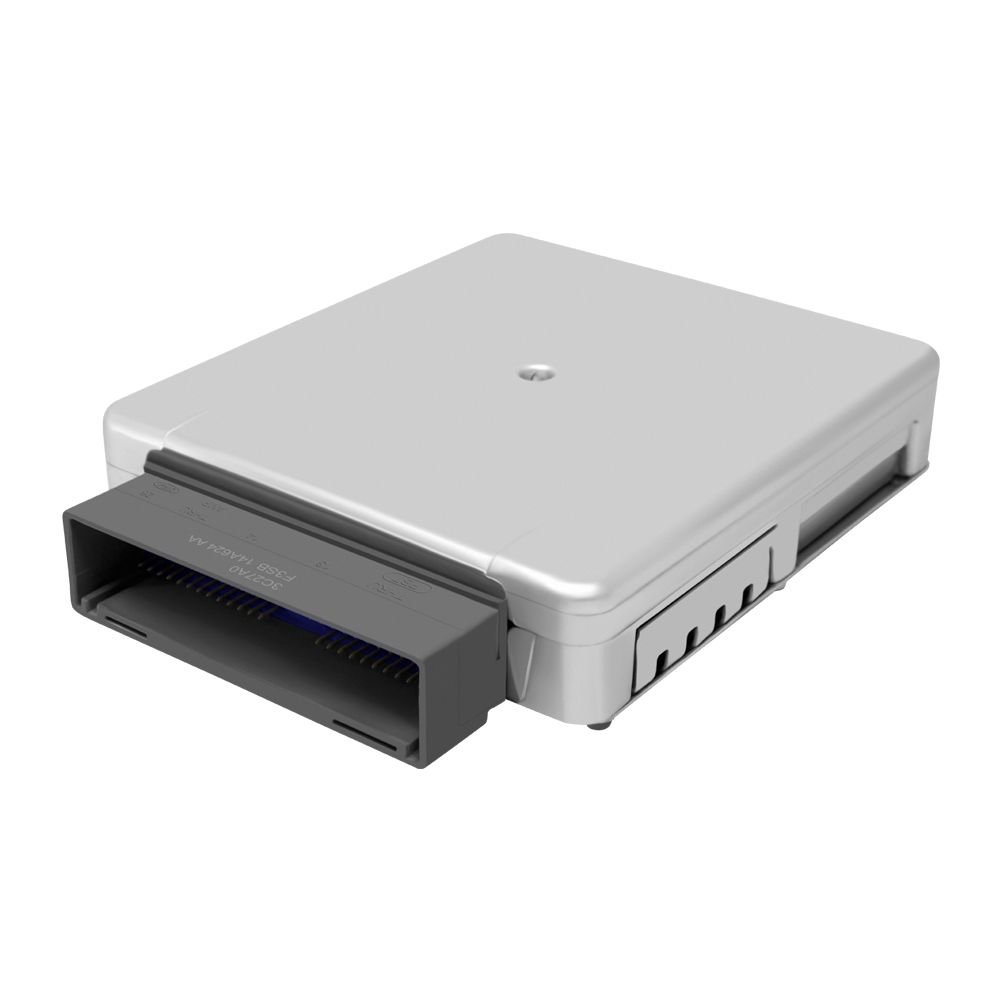
Flagship One stocks a refurbished, VIN-programmed PCM for the 1999 Mercury Cougar with a lifetime warranty, free shipping and no core charge. The full Mercury Cougar module lineup covers other engine configurations as well.
Replacing a faulty PCM or ECM can return your 1999 Mercury Cougar to smooth operation and proper emissions compliance. Whether you select a new or refurbished unit, proper installation and the required relearn will help ensure reliable performance. Contact a qualified technician to discuss the best solution for your vehicle.