
Last updated on August 25th, 2026 at 01:03 pm
The powertrain control module (PCM) in your 2000 Mercury Cougar manages engine and transmission functions. Failures may trigger warning lights, poor performance, or a vehicle that won’t start. Replacement often resolves these issues when diagnostics confirm the module is faulty.
If your 2000 Mercury Cougar has been acting up—stalling at stops, refusing to start, or throwing a check-engine light—it may be time to consider the powertrain control module (PCM). This small but critical computer oversees everything from fuel delivery to ignition timing, and when it fails, your vehicle’s performance suffers. Replacing the PCM isn’t just about swapping a part; it involves precise steps to ensure the new unit communicates correctly with the engine and transmission. Understanding what the PCM does, where it’s located, and how to handle its replacement can save you time and frustration. Whether you’re diagnosing a persistent issue or preparing for a repair, knowing the facts about your Cougar’s PCM helps you make informed decisions without unnecessary guesswork.
The powertrain control module in your 2000 Mercury Cougar is the brain behind the engine’s operation. It processes data from sensors throughout the vehicle to optimize fuel injection, ignition timing, and emissions controls. Without a functioning PCM, your Cougar may struggle to start, run roughly, or even fail to idle. This module also plays a role in transmission shifting, ensuring smooth gear changes under various driving conditions. When the PCM fails, it often triggers a check-engine light and stores diagnostic trouble codes that pinpoint the issue. Replacing it requires not just mechanical skill but also attention to programming, as the new unit must be calibrated to your vehicle’s specific VIN. For owners of the 2000 Mercury Cougar, replacement engine computers for the Cougar are designed to restore factory-level performance, but proper installation and setup are key to avoiding repeat problems.
2000 Mercury Cougar
OEM programmed ECM for your 2000 Mercury Cougar — plug & play, no dealer visit.
Free shipping · Lifetime warranty
In the 2000 Mercury Cougar, the powertrain control module is mounted in the engine bay, typically near the firewall or strut tower. Accessing it involves removing a protective cover or bracket, which may require basic hand tools. The factory labor time for removing and reinstalling the PCM is 0.4 hours, though this doesn’t account for additional steps like disconnecting the battery or cleaning the connector. Once the old unit is removed, the new PCM is secured in place, and the electrical connectors are reattached. It’s important to ensure the connectors are fully seated to prevent communication errors. While the physical replacement is straightforward, the real work begins with programming the new module to match your Cougar’s specifications.
Work with the ignition off, and treat the module as static-sensitive: avoid touching the connector pins at any point.
| Operation | Configuration | Book Time |
|---|---|---|
| Powertrain Control Module R&R | All configurations | 0.4 hr |
| Powertrain Control Module Relearn | All configurations | 0.5 hr |
| Engine Control Module R&R | All configurations | 0.4 hr |
After installing a new powertrain control module in your 2000 Mercury Cougar, the factory procedure requires a relearn process to synchronize the unit with the vehicle’s systems. This typically takes 0.5 hours and involves using a scan tool to input the VIN and reset adaptive values. Without this step, your Cougar may experience poor performance, shifting issues, or even a no-start condition. However, when you opt for a VIN-programmed replacement unit, these programming steps are already completed before the part arrives. This means you can install the module and drive your Cougar without additional calibration, saving time and reducing the risk of errors during the setup process. Always verify that the replacement unit matches your vehicle’s exact specifications to avoid compatibility issues.
A failing powertrain control module in your 2000 Mercury Cougar can manifest in several ways, often mimicking other engine or transmission problems. Common symptoms include intermittent stalling, especially at idle or during deceleration, as the PCM struggles to maintain proper fuel and ignition timing. You may also notice rough running or misfires, which can feel like a hesitation or jerking motion under acceleration. In some cases, the vehicle may refuse to start altogether, leaving you with a cranking engine that never fires. Warning lights are another red flag; the check-engine light may illuminate, and a scan tool could reveal codes like camshaft position sensor circuit fault or P0442, which are linked to PCM-related issues in this model. Poor shifting behavior, such as delayed or harsh gear changes, can also indicate a PCM problem, as the module controls transmission functions. If your Cougar exhibits any of these symptoms, it’s worth checking the PCM’s health before diving into more invasive repairs.
Ford issued several service bulletins addressing powertrain control module and related issues in the 2000 Mercury Cougar. Bulletin #00-03-07 covers diagnostic trouble codes P1380, P1381, or P1383, which may appear due to engine oil contamination. These codes typically trigger the check-engine light but don’t always cause noticeable driveability problems. Another bulletin, #99-23-04, addresses codes P0442 and P0455, which relate to evaporative emissions system leaks but can also stem from PCM communication errors. While these bulletins don’t always point directly to a faulty PCM, they highlight common issues that may overlap with module failures. If your Cougar is experiencing any of these codes, it’s worth considering the PCM as part of your diagnostic process.
| Bulletin | Subject | What It Addresses |
|---|---|---|
| 04-10-04 | 2.5L ENGINE ONLY – DIAGNOSTIC TROUBLE CODES (DTC’S) P0420 AND/OR P0430 – DRIVEABILITY – MALFUNC | — |
| 00-03-07 | 2.0L – DIAGNOSTIC TROUBLE CODES (DTCS) P1380, P1381, OR P1383 IN MEMORY – ENGINE – ENGINE OIL C | — |
| 99-23-04 | DIAGNOSTIC TROUBLE CODES (DTCS) P0442 AND P0455 – MALFUNCTION INDICATOR LAMP (MIL) – NO DRIVEAB | — |
The PCM controls fuel injection and ignition timing. When it malfunctions, it may send incorrect signals to the engine, causing it to stall, especially at idle or low speeds. This is often accompanied by a check-engine light and stored trouble codes.
Yes, the physical replacement is straightforward and typically takes less than an hour. However, the new PCM must be programmed to your vehicle’s VIN, which requires a scan tool or professional assistance unless you use a pre-programmed unit.
In the 2000 Mercury Cougar, the terms PCM (powertrain control module) and ECM (engine control module) are often used interchangeably. Both refer to the same unit that manages engine and transmission functions. The PCM is the more comprehensive term, as it includes transmission control.
A faulty PCM often triggers multiple trouble codes across different systems, such as fuel, ignition, and emissions. If you’re seeing codes like P1380 or P0442 alongside symptoms like stalling or rough running, the PCM may be the culprit. A professional diagnostic scan can help confirm the issue.
A used PCM may physically fit, but it must be reprogrammed to your vehicle’s VIN to function correctly. Without reprogramming, your Cougar may not start or could run poorly. Using a new, VIN-programmed unit eliminates this risk.
If your 2000 Mercury Cougar is showing signs of a failing PCM, you have options. A repair may be possible if the issue is minor, such as a corroded connector or software glitch. However, if diagnostics confirm the module itself is faulty, replacing it with a new or refurbished unit is often the most reliable solution. A VIN-programmed replacement ensures compatibility and eliminates the need for post-install calibration, getting you back on the road faster.
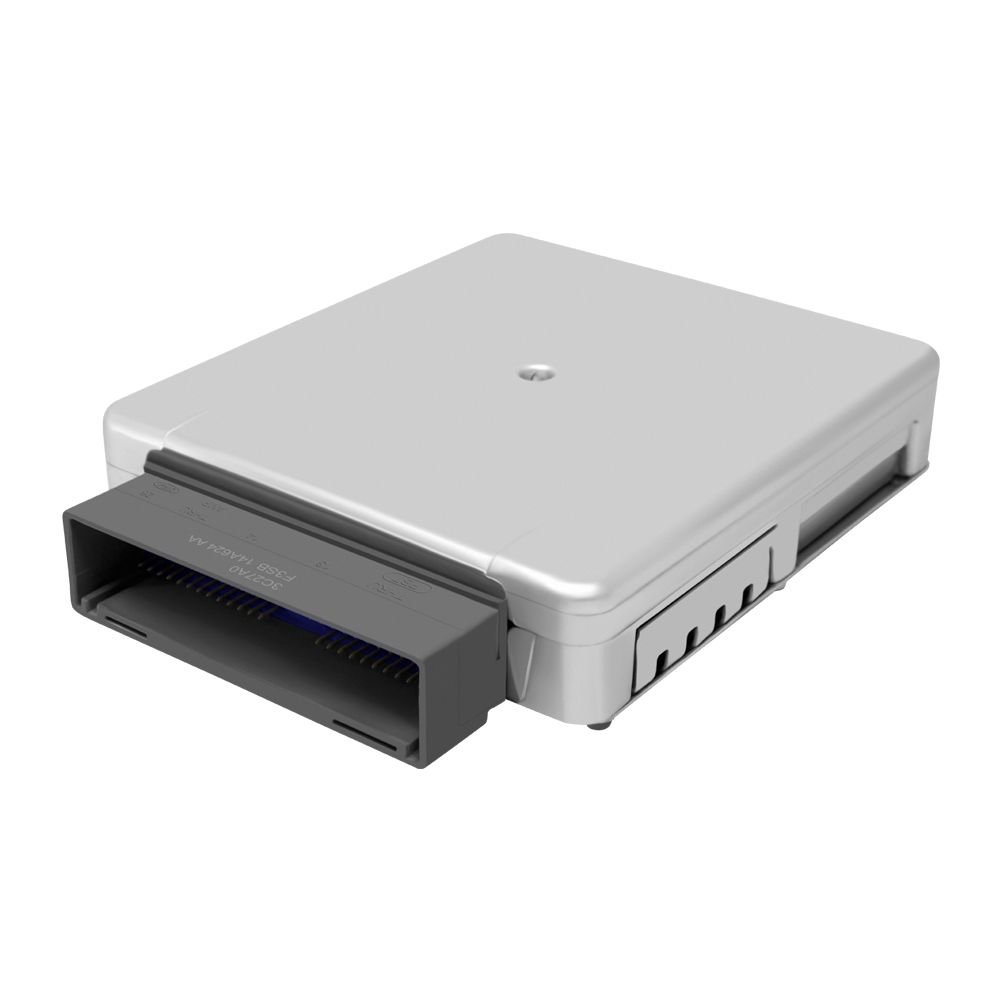
Flagship One stocks a refurbished, VIN-programmed PCM for the 2000 Mercury Cougar with a lifetime warranty, free shipping and no core charge. The full Mercury Cougar module lineup covers other engine configurations as well.
The powertrain control module in your 2000 Mercury Cougar is a vital component that keeps your engine running smoothly. When it fails, symptoms like stalling, rough idling, or a no-start condition can leave you stranded. Replacing the PCM with a VIN-programmed unit restores your vehicle’s performance and reliability. If you’re experiencing any of these issues, addressing the PCM early can save you time and prevent further complications down the road.