
Last updated on August 25th, 2026 at 02:00 pm
The Powertrain Control Module (PCM) in your 2001 Mazda B2300 manages engine and transmission functions by processing sensor data. Failures may cause erratic performance, no-start conditions, or stored trouble codes related to fuel, ignition, or emissions systems.
If your 2001 Mazda B2300 has been running poorly, stalling unexpectedly, or throwing trouble codes, the Powertrain Control Module (PCM) may be the culprit. This small but critical computer manages everything from fuel delivery to transmission shifting, and when it fails, your vehicle’s performance can suffer in noticeable ways. Replacing the PCM isn’t just about swapping a part—it involves careful installation and a factory-mandated relearn procedure to ensure the new unit communicates correctly with the rest of the vehicle’s systems. Understanding the role of the PCM, the symptoms of failure, and the steps involved in replacement can help you make informed decisions about repairs. Whether you’re dealing with a no-start condition or intermittent drivability issues, knowing what to expect can save time and prevent unnecessary frustration. This guide covers the essentials of PCM replacement for your B2300, including labor times, programming requirements, and common issues to watch for.
The Powertrain Control Module (PCM) in your 2001 Mazda B2300 acts as the brain of the engine and transmission, continuously monitoring and adjusting operations to optimize performance, fuel efficiency, and emissions. It processes data from sensors throughout the vehicle, such as the throttle position sensor, oxygen sensors, and crankshaft position sensor, to make real-time decisions about fuel injection, ignition timing, and transmission shifts. Without a properly functioning PCM, your B2300 may struggle to start, run roughly, or even fail to accelerate as expected. The module also plays a key role in diagnosing issues, storing trouble codes when it detects abnormalities in the systems it controls. If the PCM fails, you might notice symptoms like hesitation under acceleration, stalling at idle, or a check engine light accompanied by codes related to sensor or actuator performance. When replacement becomes necessary, opting for replacement engine computers for the B2300 ensures compatibility and reliability, but the new unit must be correctly programmed and calibrated to match your vehicle’s specific configuration. The PCM’s importance cannot be overstated—it’s the central hub that keeps your engine running smoothly and efficiently.
Engine computer (ECM/PCM)
OEM programmed replacements — plug & play, no dealer visit.
Find yours by year, make & model →
Free shipping · Lifetime warranty
The Powertrain Control Module in your 2001 Mazda B2300 is typically located in the engine bay, mounted in a position that balances accessibility with protection from heat and moisture. Replacing the PCM involves disconnecting the battery to prevent electrical issues, removing the module’s electrical connectors, and unbolting the unit from its mounting bracket. The labor time for removal and reinstallation (R&R) is 0.5 hours, according to factory estimates. This time includes carefully handling the connectors to avoid damage, as the PCM’s pins are sensitive to bending or corrosion. Once the new unit is installed, the electrical connectors must be securely reattached, and the battery reconnected. The process is straightforward but requires attention to detail to ensure the module is properly seated and the connections are clean and tight. After installation, the factory relearn procedure must be performed to synchronize the PCM with the vehicle’s systems.
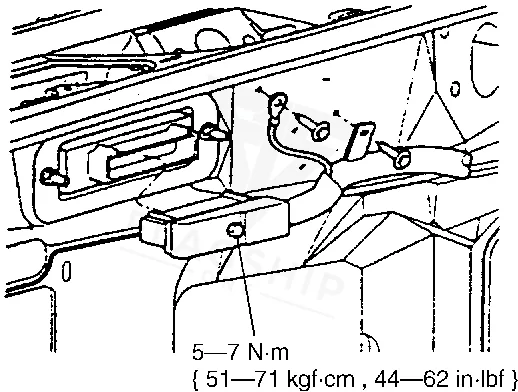
Work with the ignition off, and treat the module as static-sensitive: avoid touching the connector pins at any point.
| Operation | Configuration | Book Time |
|---|---|---|
| Powertrain Control Module R&R | B2300 | 0.5 hr |
| Powertrain Control Module R&R | B2500 | 0.5 hr |
| Powertrain Control Module R&R | B3000 | 0.5 hr |
| Powertrain Control Module R&R | B4000 | 0.5 hr |
| Powertrain Control Module Relearn | B2300 | 0.5 hr |
| Powertrain Control Module Relearn | B2500 | 0.5 hr |
| Powertrain Control Module Relearn | B3000 | 0.5 hr |
| Powertrain Control Module Relearn | B4000 | 0.5 hr |
After replacing the Powertrain Control Module in your 2001 Mazda B2300, a factory relearn procedure is required to ensure the new unit functions correctly. This process, which takes 0.5 hours of labor, allows the PCM to adapt to your vehicle’s specific sensors, actuators, and operating conditions. The relearn involves using a scan tool to reset adaptive values, recalibrate the throttle body, and synchronize the PCM with the transmission and other systems. Without this step, your B2300 may experience poor performance, such as rough idling, hesitation, or shifting issues. However, if you install a VIN-programmed replacement unit, the initial programming is already completed, eliminating the need for this step. This saves time and reduces the risk of errors during the relearn process. Even with a pre-programmed unit, it’s still important to verify that all systems are functioning as expected after installation, as some minor adaptations may still occur during the first few drive cycles.
When the Powertrain Control Module in your 2001 Mazda B2300 begins to fail, you may notice a range of symptoms that can affect drivability and performance. One of the most common signs is a no-start condition, where the engine cranks but fails to fire, often due to the PCM’s inability to control fuel injection or ignition timing. Stalling or rough idling may also occur, particularly when the vehicle is cold or under load, as the PCM struggles to maintain consistent engine operation. Hesitation or a lack of power during acceleration is another frequent issue, often accompanied by a check engine light. In some cases, the transmission may shift erratically or fail to engage gears properly, as the PCM also governs transmission control. Diagnostic trouble codes stored in the PCM’s memory can provide clues to the problem—codes like the theft deterrent fuel enable signal fault may appear if the module is unable to communicate with the vehicle’s security system. Other common codes include those related to sensor performance, such as oxygen sensor or throttle position sensor faults, which can be misleading if the PCM itself is the root cause. If your B2300 exhibits any of these symptoms, it’s worth investigating the PCM as a potential source of the problem, especially if no other obvious issues are found.
Factory service bulletins for the 2001 Mazda B2300 highlight specific issues that may arise after Powertrain Control Module (PCM) or instrument cluster replacement. Bulletin 01 009/01 addresses a lack of power following PCM reprogramming, which can occur if the module is not properly recalibrated to the vehicle’s systems. This issue may manifest as sluggish acceleration or hesitation under load. Bulletin 01 015/02 covers trouble codes P1635 and/or P1639 appearing after PCM or instrument cluster replacement. These codes are related to the vehicle’s security and fuel enable systems, and their presence may indicate a communication error between the PCM and other modules. Both bulletins emphasize the importance of following factory procedures for reprogramming and relearning to avoid these issues.
| Bulletin | Subject | What It Addresses |
|---|---|---|
| — | 01 009/01 Lack Of Power After PCM Reprogramming | — |
| — | 01 015/02 2001 2002 Truck / Tribute P1635 And/Or P1639 Present After PCM Or Instrument Cluster | — |
Stalling after PCM replacement often occurs if the relearn procedure isn’t performed. The new module needs to adapt to your vehicle’s sensors and actuators, and without this step, it may not control fuel or ignition properly. A factory scan tool is typically required to complete the relearn process.
Driving with a failing PCM is risky, as it may cause sudden stalling, poor acceleration, or even a no-start condition. If the module is intermittently failing, you might experience unpredictable behavior, which could be dangerous. It’s best to address PCM issues promptly.
A bad PCM often triggers multiple trouble codes across different systems, such as fuel, ignition, and transmission. If replacing sensors doesn’t resolve the issue or if the vehicle exhibits symptoms like stalling or no-start conditions, the PCM itself may be the problem. A professional diagnosis can help confirm.
PCM failure can result from voltage spikes, moisture intrusion, or excessive heat. Corroded connectors or poor electrical grounds may also contribute to premature failure. In some cases, manufacturing defects or age-related wear can cause the module to malfunction.
Replacing the PCM is a straightforward process, but it requires careful handling of electrical connectors and adherence to the relearn procedure. If you’re comfortable disconnecting the battery and working with sensitive electronics, it’s doable. However, if you’re unsure about the programming steps, professional installation is recommended.
If your 2001 Mazda B2300 is experiencing PCM-related issues, you have options for repair or replacement. While a refurbished or remanufactured unit can restore functionality, a new replacement ensures long-term reliability. Given the labor times involved—just 0.5 hours for removal and reinstallation—opting for a quality replacement unit can save time and prevent recurring problems. Whether you choose to tackle the job yourself or have a professional handle it, ensuring the new PCM is properly programmed and calibrated is key to getting your B2300 back on the road smoothly.
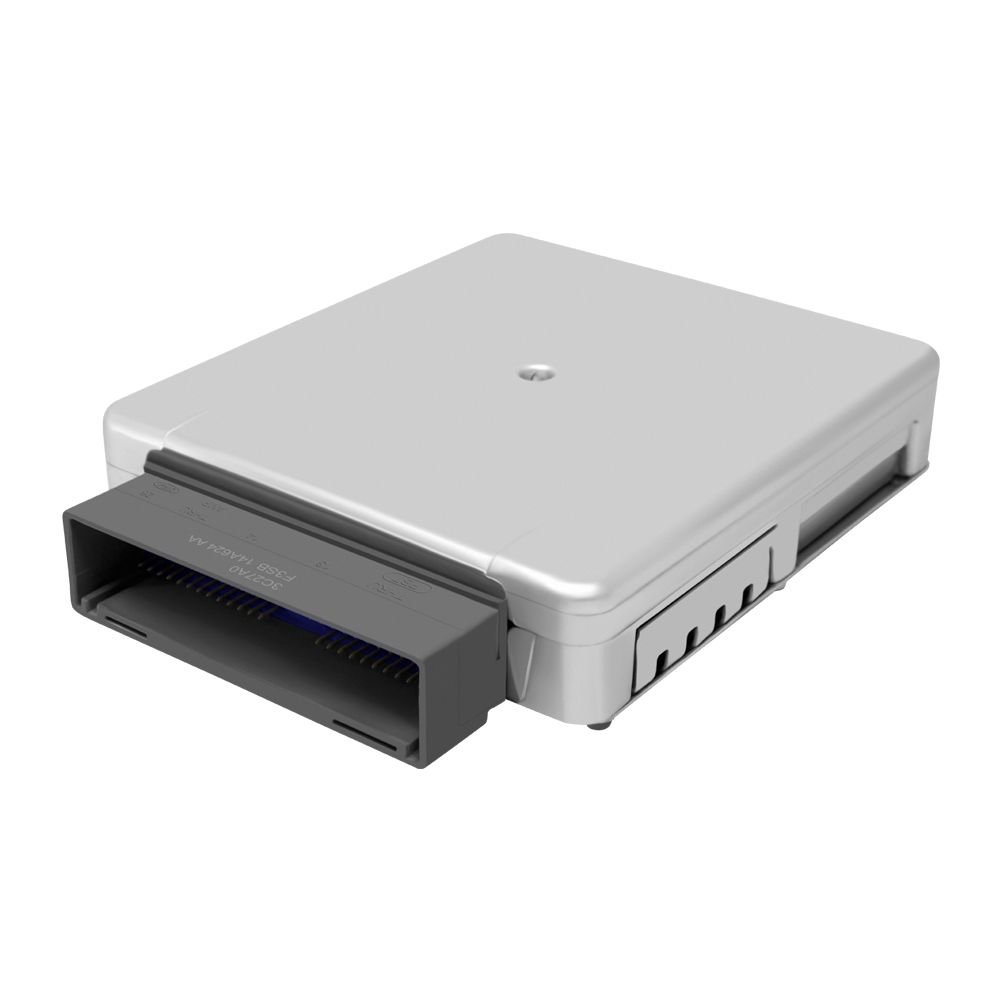
Flagship One stocks a refurbished, VIN-programmed PCM for the 2001 Mazda B2300 with a lifetime warranty, free shipping and no core charge. The full Mazda B2300 module lineup covers other engine configurations as well.
The Powertrain Control Module in your 2001 Mazda B2300 is a critical component that ensures smooth engine and transmission operation. If you’re dealing with symptoms like stalling, poor acceleration, or trouble codes, the PCM may be the culprit. Replacing it involves careful installation and a factory relearn procedure, but with the right approach, you can restore your vehicle’s performance. Whether you opt for a DIY fix or professional help, addressing PCM issues promptly will keep your B2300 running reliably for years to come.