
Last updated on August 25th, 2026 at 01:59 pm
The Powertrain Control Module (PCM) in your 2005 Mazda B2300 manages engine and transmission functions, coordinating fuel delivery, ignition timing, and emissions systems. Failure may lead to poor performance, starting issues, or even stalling, often triggered by electrical faults or internal corruption.
If your 2005 Mazda B2300 is experiencing hard starts, stalling, or unusual behavior during cold weather, the Powertrain Control Module (PCM) may be the culprit. This small but critical computer manages everything from fuel injection to transmission shifts, and when it fails, your vehicle’s performance can suffer. Replacing the PCM isn’t just about swapping a part—it involves precise labor, reprogramming, and a relearn procedure to ensure everything works as intended. Understanding the role of the PCM, the symptoms of failure, and the steps involved in replacement can help you make informed decisions about repairs. Whether you’re dealing with a no-start condition or intermittent drivability issues, knowing what to expect can save time and frustration. This guide covers the essentials of PCM replacement for your B2300, including labor times, programming requirements, and common symptoms to watch for.
The Powertrain Control Module (PCM) in your 2005 Mazda B2300 serves as the brain of the engine and transmission systems. It continuously monitors data from sensors throughout the vehicle, adjusting fuel delivery, ignition timing, and emissions controls to optimize performance and efficiency. Without a properly functioning PCM, your B2300 may struggle to start, idle roughly, or even stall unexpectedly. The module also plays a key role in transmission shifting, ensuring smooth gear changes under varying driving conditions. When the PCM fails, it often triggers warning lights on the dashboard and may store trouble codes related to engine or transmission performance. Replacing the PCM isn’t just about addressing immediate symptoms—it’s about restoring the vehicle’s ability to operate reliably. replacement engine computers for the B2300 are designed to meet or exceed factory specifications, but proper installation and programming are critical to avoid recurring issues. In this vehicle, the PCM is particularly sensitive to voltage fluctuations, so maintaining a healthy charging system is essential for long-term reliability.
2005 Mazda B2300
OEM programmed ECM for your 2005 Mazda B2300 — plug & play, no dealer visit.
Free shipping · Lifetime warranty
In the 2005 Mazda B2300, the Powertrain Control Module (PCM) is typically located in the engine bay, mounted near the firewall or on the passenger side fender well. Accessing the module involves removing a protective cover or bracket, which may require basic hand tools. The labor time for PCM removal and replacement is 0.5 hours, according to factory guidelines. This includes disconnecting the battery, unplugging the wiring harness, and securing the new module in place. After installation, the PCM must be reconnected to the vehicle’s electrical system, and the battery should be reconnected to restore power. The process is straightforward but requires care to avoid damaging connectors or the module itself. No specialized tools are typically needed beyond a basic socket set and a torque wrench to ensure proper fastener tightness. The same labor time applies to the Engine Control Module (ECM) if replacement is required separately.
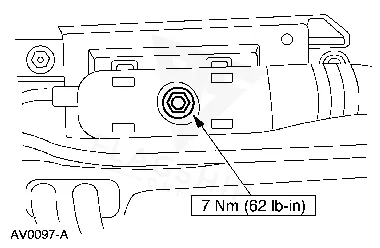
Work with the ignition off, and treat the module as static-sensitive: avoid touching the connector pins at any point.
| Operation | Configuration | Book Time |
|---|---|---|
| Powertrain Control Module R&R | B2300 | 0.5 hr |
| Powertrain Control Module R&R | B3000 | 0.5 hr |
| Powertrain Control Module R&R | B4000 | 0.5 hr |
| Powertrain Control Module Relearn | B2300 | 0.5 hr |
| Powertrain Control Module Relearn | B3000 | 0.5 hr |
| Powertrain Control Module Relearn | B4000 | 0.5 hr |
| Engine Control Module R&R | B2300 | 0.5 hr |
| Engine Control Module R&R | B3000 | 0.5 hr |
After replacing the Powertrain Control Module (PCM) in your 2005 Mazda B2300, the factory procedure requires reprogramming the module to match your vehicle’s specific configuration. This step ensures the PCM communicates correctly with the engine, transmission, and other onboard systems. The reprogramming process typically involves using specialized diagnostic equipment to load the latest software and calibrations for your VIN. Without this step, the vehicle may experience drivability issues, such as hard starts, poor fuel economy, or even stalling. However, a VIN-programmed replacement unit from Flagship One arrives pre-configured to your vehicle’s specifications, eliminating the need for additional programming. This saves time and reduces the risk of errors during installation. Once installed, the module will still require a relearn procedure, which takes an additional 0.5 hours of labor, to synchronize with the vehicle’s sensors and systems. This step is critical for ensuring smooth operation and preventing long-term performance issues.
When the Powertrain Control Module (PCM) in your 2005 Mazda B2300 begins to fail, you may notice a range of symptoms that affect drivability and performance. One of the most common signs is difficulty starting the engine, particularly in cold weather, which may be accompanied by flooding or rough idling. The vehicle might also stall unexpectedly, especially when coming to a stop or during low-speed driving. Other symptoms include poor fuel economy, hesitation during acceleration, or a noticeable drop in engine power. In some cases, the transmission may shift erratically or fail to engage gears smoothly. Warning lights on the dashboard, such as the Check Engine Light, often illuminate when the PCM detects a fault. If the module is completely unresponsive, your scan tool may fail to communicate with the vehicle’s onboard diagnostics. A common trouble code associated with PCM failure in this vehicle is internal control module memory checksum error, which indicates corruption in the module’s memory. Addressing these symptoms promptly can prevent further damage to the engine or transmission and restore reliable operation.
Mazda issued a service bulletin (01 012/05) addressing hard-start and flooding issues during cold starts in 2004 and 2005 B Series trucks, including the B2300. The bulletin recommends reprogramming the Powertrain Control Module (PCM) to resolve these symptoms. This update adjusts the fuel delivery and ignition timing parameters to improve cold-start performance and prevent flooding. If your B2300 exhibits these issues, following the bulletin’s guidance may restore reliable operation without the need for additional repairs.
| Bulletin | Subject | What It Addresses |
|---|---|---|
| — | 01 012/05 2004 2005 B Series Trucks B2300 Hard Start Or Flooding During Cold Start PCM Reprogra | — |
Common signs include hard starts, stalling, poor fuel economy, or warning lights on the dashboard. If your scan tool retrieves codes like P0601, the PCM may need replacement or reprogramming. Symptoms often worsen in cold weather or during low-speed driving.
While the physical replacement is straightforward, the process requires a relearn procedure and, in some cases, reprogramming. If you’re not comfortable with diagnostic tools or electrical systems, it’s best to have a professional handle the installation.
Flooding is often caused by incorrect fuel delivery or ignition timing during cold starts. Mazda’s service bulletin (01 012/05) addresses this issue by recommending PCM reprogramming to adjust these parameters for better performance.
In the 2005 Mazda B2300, the PCM (Powertrain Control Module) integrates engine and transmission control functions, while the ECM (Engine Control Module) focuses solely on engine management. Both may require replacement if they fail, but the PCM is more commonly associated with drivability issues.
A used PCM may work, but it often requires reprogramming to match your vehicle’s VIN and configuration. Without proper programming, the module may not communicate correctly with the engine or transmission, leading to performance issues.
If your 2005 Mazda B2300 is experiencing PCM-related issues, you have options for repair or replacement. While reprogramming the existing module may resolve minor faults, a replacement unit ensures long-term reliability. Flagship One provides VIN-programmed PCMs designed to meet factory specifications, eliminating the need for additional programming. Whether you choose a refurbished unit or a new replacement, proper installation and a relearn procedure are essential for restoring your vehicle’s performance.
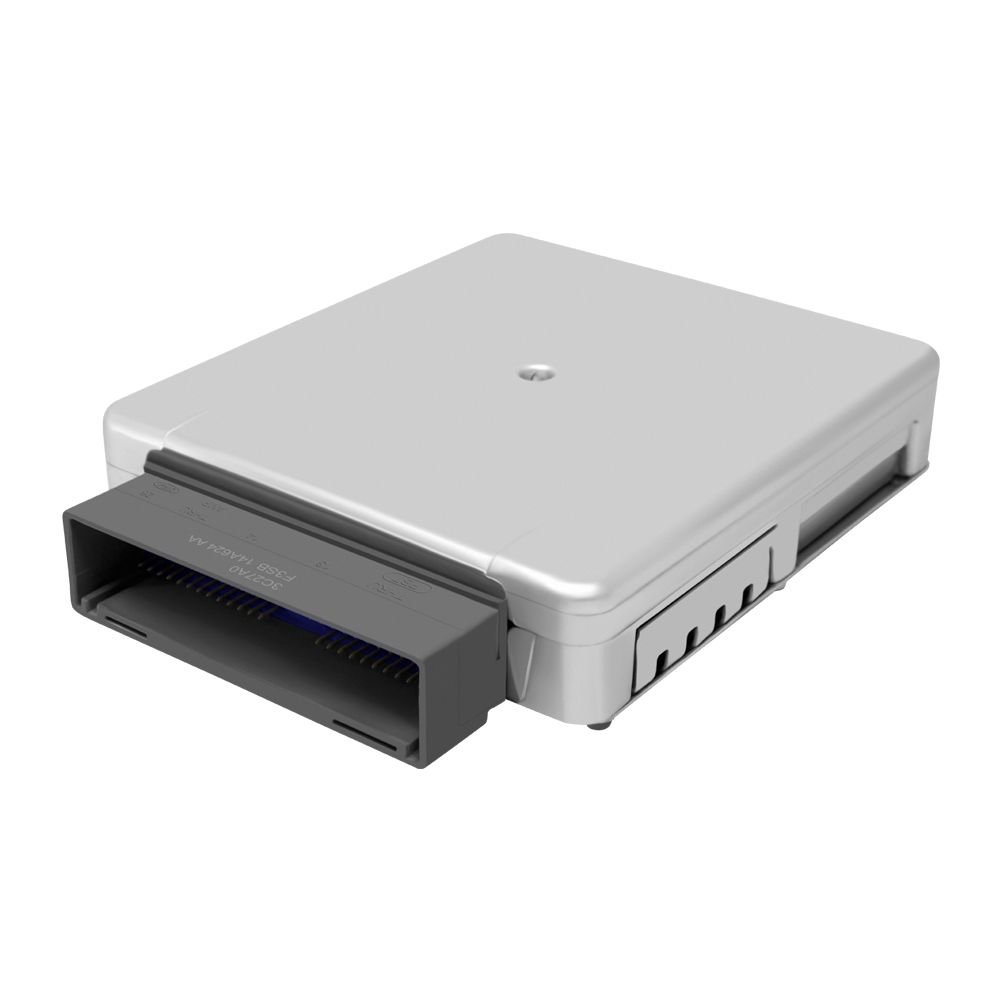
Flagship One stocks a refurbished, VIN-programmed PCM for the 2005 Mazda B2300 with a lifetime warranty, free shipping and no core charge. The full Mazda B2300 module lineup covers other engine configurations as well.
The Powertrain Control Module in your 2005 Mazda B2300 plays a critical role in engine and transmission performance. If you’re dealing with hard starts, stalling, or other drivability issues, addressing the PCM promptly can prevent further complications. Whether you opt for reprogramming or a replacement unit, ensuring the module is properly installed and configured will help keep your B2300 running smoothly. Regular maintenance and attention to electrical health can also extend the life of your vehicle’s PCM and related systems.