
Last updated on August 25th, 2026 at 01:59 pm
The Powertrain Control Module (PCM) in your 2004 Mazda B2300 manages engine and transmission functions. Failures may cause erratic performance, no-start conditions, or poor fuel efficiency, often requiring replacement and reprogramming.
If your 2004 Mazda B2300 is experiencing hard starts, stalling, or erratic engine behavior, the Powertrain Control Module (PCM) may be the culprit. This small but critical computer oversees everything from fuel delivery to transmission shifts, and when it fails, your vehicle’s performance can suffer in noticeable ways. Replacing the PCM isn’t just about swapping a part—it involves precise labor steps and, in most cases, reprogramming to match your truck’s specific configuration. Understanding the process, symptoms, and what to expect can help you make informed decisions about repairs. Whether you’re dealing with a no-start condition or intermittent surges, knowing how the PCM functions and what replacement entails will give you confidence in addressing the issue efficiently.
The Powertrain Control Module (PCM) in your 2004 Mazda B2300 acts as the brain of the engine and transmission systems. It continuously monitors sensors throughout the vehicle, adjusting fuel injection, ignition timing, and shift points to optimize performance and efficiency. Without a properly functioning PCM, your truck may struggle with poor fuel economy, rough idling, or even fail to start. The module also communicates with the onboard diagnostics system, storing trouble codes when issues arise. If the PCM fails, you might notice symptoms like stalling, misfires, or transmission shifting problems. Replacement isn’t just about installing a new unit—it requires careful handling and, often, reprogramming to ensure compatibility with your specific vehicle. When considering a replacement, replacement engine computers for the B2300 are designed to meet or exceed factory specifications, providing a reliable solution for common PCM-related issues.
2004 Mazda B2300
OEM programmed ECM for your 2004 Mazda B2300 — plug & play, no dealer visit.
Free shipping · Lifetime warranty
In the 2004 Mazda B2300, the Powertrain Control Module (PCM) is typically located in the engine bay, mounted near the firewall or fender well for easy access. Replacing the PCM involves disconnecting the battery, removing the electrical connector, and unbolting the module from its mounting bracket. The labor time for this procedure is relatively short, with book times listing 0.5 hours for removal and reinstallation. Once the new module is installed, it must be securely fastened, and the electrical connections should be checked for corrosion or damage. While the physical replacement is straightforward, proper installation is critical to avoid issues like poor electrical contact or water intrusion, which can lead to premature failure.
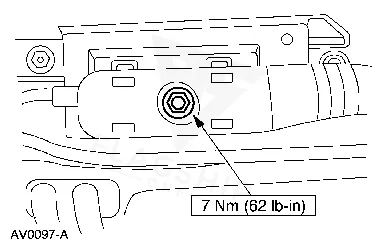
Work with the ignition off, and treat the module as static-sensitive: avoid touching the connector pins at any point.
| Operation | Configuration | Book Time |
|---|---|---|
| Powertrain Control Module R&R | B2300 | 0.5 hr |
| Powertrain Control Module R&R | B3000 | 0.5 hr |
| Powertrain Control Module R&R | B4000 | 0.5 hr |
| Powertrain Control Module Relearn | B2300 | 0.5 hr |
| Powertrain Control Module Relearn | B3000 | 0.5 hr |
| Powertrain Control Module Relearn | B4000 | 0.5 hr |
| Engine Control Module R&R | B2300 | 0.5 hr |
| Engine Control Module R&R | B3000 | 0.5 hr |
After replacing the Powertrain Control Module (PCM) in your 2004 Mazda B2300, the factory procedure requires reprogramming the unit to match your vehicle’s specific VIN and configuration. This step ensures the PCM communicates correctly with the engine, transmission, and other onboard systems. Without reprogramming, your truck may experience drivability issues, such as poor shifting, rough idling, or even a no-start condition. The process typically involves using specialized diagnostic equipment to upload the latest calibration software, which can add 0.5 hours of labor to the job. However, when you choose a VIN-programmed replacement unit, this step is already completed, saving you time and ensuring your vehicle runs as intended from the moment of installation.
A failing Powertrain Control Module (PCM) in your 2004 Mazda B2300 can manifest in several ways, often mimicking other mechanical or electrical issues. One of the most common signs is a no-start condition, where the engine cranks but fails to fire, often due to incorrect fuel or spark timing signals from the PCM. You may also experience stalling, particularly during cold starts or at idle, as the module struggles to maintain stable engine operation. Another frequent symptom is erratic shifting in the automatic transmission, as the PCM controls shift points and torque converter lockup. Misfires or rough running can occur if the PCM fails to deliver the correct fuel mixture or ignition timing. In some cases, the check engine light may illuminate, and a scan tool may reveal codes like internal control module memory check sum error, indicating a fault within the PCM itself. Dead scan tool communication is another red flag, suggesting the PCM is not responding to diagnostic requests. If your B2300 exhibits any of these symptoms, especially in combination, the PCM may be the root cause and should be inspected or replaced.
Mazda has issued service bulletins addressing specific PCM-related issues in the 2004 B2300 and related models. One bulletin, 01 012/05, highlights hard starts or flooding during cold starts, recommending PCM reprogramming as the solution. This issue typically occurs when the PCM fails to adjust fuel delivery properly in cold conditions, leading to an overly rich mixture that can flood the engine. Another bulletin describes a 4.0 L surge during cold driveaway in some B4000 vehicles, which may also affect the B2300. This condition involves an engine surge at steady throttle during the first five minutes after a cold start, often resolved by updating the PCM calibration. If your B2300 exhibits these symptoms, reprogramming the PCM may restore smooth operation without the need for additional repairs.
| Bulletin | Subject | What It Addresses |
|---|---|---|
| — | Mazda Tips: 4.0 L Surge During Cold Driveaway≫≫≫PCM Calibration | s Some B4000 vehicles may exhibit an engine surge at a steady throttle (cruise) during the first 5 minutes after a cold |
| — | 01 012/05 2004 2005 B Series Trucks B2300 Hard Start Or Flooding During Cold Start PCM Reprogra | — |
Cold-start stalling in your B2300 may indicate a failing PCM that struggles to adjust fuel delivery or ignition timing in low temperatures. The module relies on sensor data to optimize performance, and if it fails to compensate for cold conditions, the engine may stall or run roughly. Reprogramming or replacing the PCM often resolves this issue.
Driving with a faulty PCM can lead to poor performance, reduced fuel efficiency, and even transmission shifting issues. While the truck may still run, prolonged use with a failing PCM can stress other components, such as the catalytic converter or oxygen sensors. It’s best to address the issue promptly to avoid additional repairs.
If your truck exhibits symptoms like hard starts, stalling, or erratic shifting, a diagnostic scan can reveal PCM-related trouble codes. If the module is unresponsive or repeatedly triggers the same codes, replacement may be necessary. Reprogramming is typically recommended when the PCM is functional but requires updated calibration to address known issues.
In your B2300, the Powertrain Control Module (PCM) combines the functions of an Engine Control Module (ECM) and a Transmission Control Module (TCM). The PCM oversees both engine and transmission operations, while an ECM (if listed separately) would focus solely on engine management. Both terms may appear in service manuals, but the PCM is the primary module in this vehicle.
While the physical replacement of the PCM is straightforward, the process requires careful handling of electrical connections and, in most cases, reprogramming. If you’re not experienced with automotive electronics, it’s best to have a professional perform the replacement to avoid issues like poor contact, water damage, or incorrect programming. A shop can also verify that the new module is functioning correctly before you drive the vehicle.
If your 2004 Mazda B2300 is showing signs of PCM failure, you have options for repair or replacement. While reprogramming the existing module may resolve some issues, a faulty PCM often requires a new unit to restore reliable performance. Refurbished or new replacement modules are available, designed to meet factory specifications and pre-programmed to your VIN for immediate installation. This approach saves time and ensures your truck runs smoothly without the need for additional calibration steps.
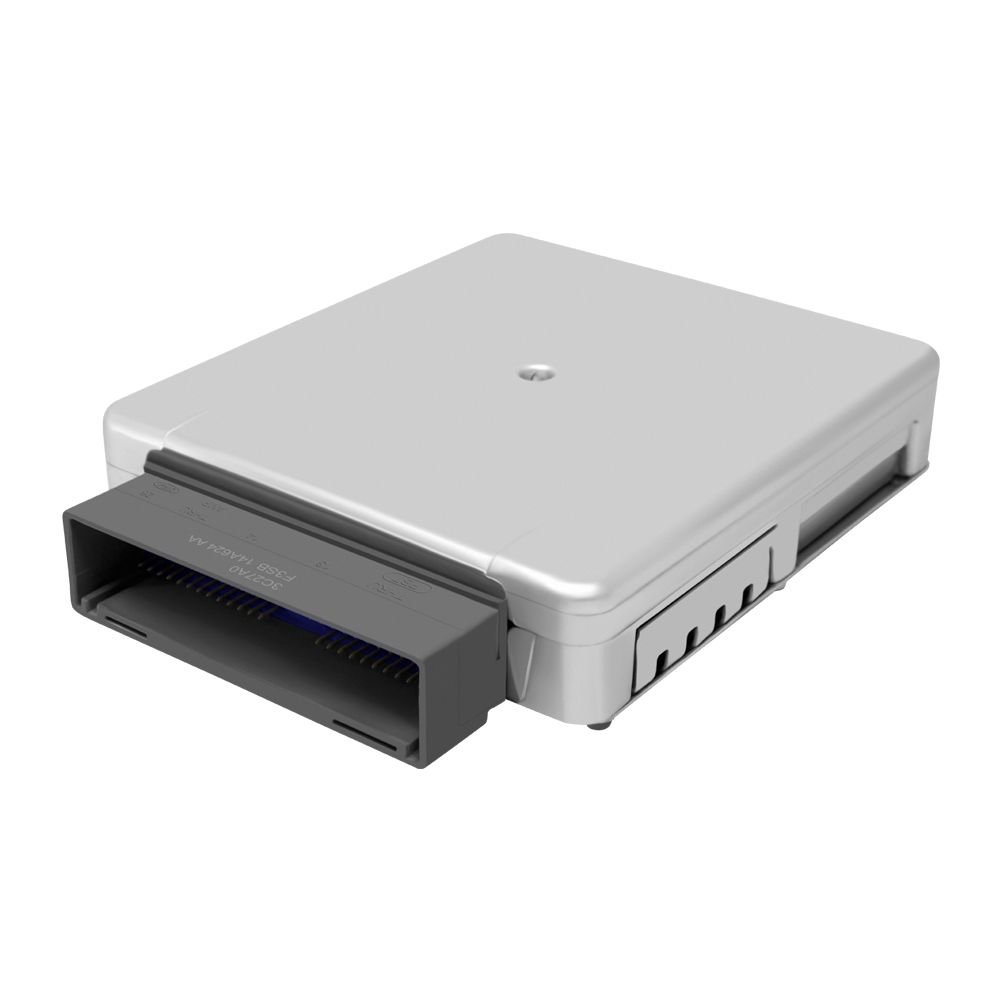
Flagship One stocks a refurbished, VIN-programmed PCM for the 2004 Mazda B2300 with a lifetime warranty, free shipping and no core charge. The full Mazda B2300 module lineup covers other engine configurations as well.
The Powertrain Control Module plays a vital role in keeping your 2004 Mazda B2300 running smoothly, and addressing issues promptly can prevent more serious problems down the road. Whether you’re dealing with hard starts, stalling, or erratic shifting, understanding the symptoms and replacement process helps you make informed decisions. With the right replacement module and proper installation, your B2300 can continue to deliver reliable performance for years to come.