
Last updated on August 25th, 2026 at 02:16 pm
The powertrain control module (PCM) in your 2000 Chevrolet S10 manages engine and transmission functions. Failures may cause drivability issues, warning lights, or complete no-start conditions due to internal faults or electrical damage.
If your 2000 Chevrolet S10 is experiencing erratic engine behavior, stalling, or warning lights, the powertrain control module (PCM) may be at fault. This critical component oversees engine performance, fuel delivery, and transmission shifts, making it essential for smooth operation. When it fails, symptoms can range from subtle drivability issues to a complete no-start condition. Understanding the PCM’s role, location, and replacement process helps you make informed decisions about repairs. You’ll also learn how to recognize failure symptoms early and take steps to protect the module from damage. Whether you’re diagnosing an existing problem or preparing for potential repairs, this guide provides the details specific to your S10’s needs.
The powertrain control module in your 2000 Chevrolet S10 acts as the brain of the engine and transmission systems. It continuously monitors sensors to adjust fuel injection, ignition timing, and shift points for optimal performance. Without a functioning PCM, your vehicle may struggle to start, idle roughly, or fail to accelerate properly. This module also interfaces with the anti-lock braking system (ABS), which means a malfunction could trigger the ABS light, particularly at higher speeds. Because the PCM integrates multiple systems, its failure can lead to a cascade of issues, including poor fuel economy and increased emissions. Replacing it requires careful handling to avoid electrostatic discharge, which can damage the sensitive electronics inside replacement powertrain control modules for the S10. The module’s location—either under the hood or behind the instrument panel—affects the time and effort needed for installation.
In the 2000 Chevrolet S10, the powertrain control module may be located in one of two places: under the hood or behind the instrument panel. If it’s under the hood, replacement typically takes about 1.0 hours of labor. When it’s behind the instrument panel, the process is more involved, requiring 1.8 hours. Accessing the module involves disconnecting the battery, removing any necessary trim or panels, and carefully unplugging the wiring harness. The module is secured with bolts, which must be loosened before removal. After installing the new unit, the wiring harness is reconnected, and the battery is restored. No additional torque specifications are provided for this procedure, but ensuring all connections are secure is critical to avoid future issues.
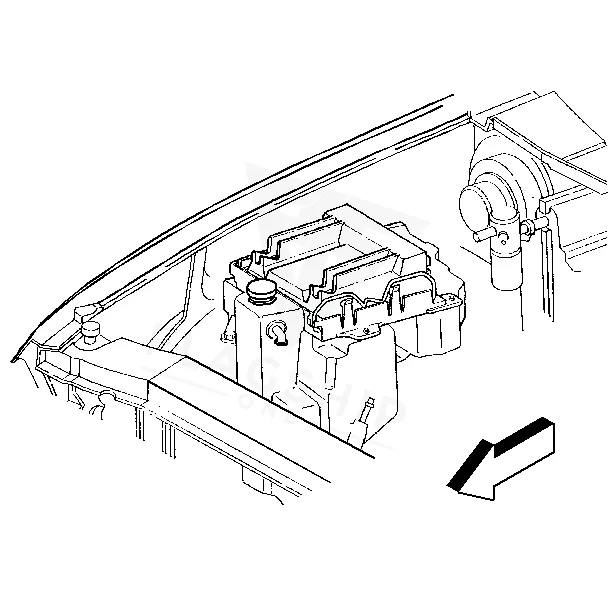
Work with the ignition off, and treat the module as static-sensitive: avoid touching the connector pins at any point.
| Operation | Configuration | Book Time |
|---|---|---|
| Engine Control Module R&R | Under Hood | 1.0 hr |
| Engine Control Module R&R | Under Inst. Panel | 1.8 hr |
| Engine Control Module Relearn | All configurations | 0.5 hr |
| Powertrain Control Module R&R | Under Hood | 1.0 hr |
| Powertrain Control Module R&R | Under Inst. Panel | 1.8 hr |
| Powertrain Control Module Relearn | All configurations | 0.5 hr |
2000 Chevrolet S10
OEM programmed ECM for your 2000 Chevrolet S10 — plug & play, no dealer visit.
Free shipping · Lifetime warranty
After replacing the powertrain control module in your 2000 Chevrolet S10, a factory relearn procedure is required to synchronize the new unit with the vehicle’s systems. This process typically takes 0.5 hours and involves using a scan tool to reset adaptive values and ensure proper communication with sensors. However, if you opt for a VIN-programmed replacement unit, these steps are already completed, saving you time and potential hassle. The factory also recommends reprogramming the PCM in certain cases, such as when addressing specific drivability issues or ABS-related faults. While reprogramming isn’t always necessary for basic replacement, it may be required if the vehicle exhibits persistent symptoms after installation. Always verify the new module’s compatibility with your S10’s VIN to avoid additional programming steps.
When the powertrain control module in your 2000 Chevrolet S10 begins to fail, you may notice a range of symptoms that affect drivability and performance. Common signs include intermittent stalling, especially at idle or during acceleration, as the module struggles to regulate fuel and ignition timing. The engine may also misfire or hesitate, particularly under load, due to incorrect sensor readings being processed. Another frequent issue is the ABS light illuminating at speeds above 70 mph, often accompanied by a trouble code like internal control module memory check sum error. In some cases, the vehicle may fail to start entirely, as the PCM is unable to initiate fuel delivery or spark. You might also experience rough shifting or delayed engagement from the transmission, as the module controls shift points and torque converter lockup. Scan tool communication may be lost or intermittent, making diagnosis more challenging. If you observe any of these symptoms, prompt attention can prevent further damage to the vehicle’s systems.
The 2000 Chevrolet S10’s powertrain control module can generate several internal trouble codes when it malfunctions. These codes help pinpoint the source of the issue, whether it’s a memory error, communication fault, or sensor-related problem. Below are the documented codes specific to this vehicle’s PCM.
Factory service bulletins for the 2000 Chevrolet S10 address specific PCM-related issues. Bulletin #99-06-04-053 provides information on PCM reprogramming, which may resolve certain drivability concerns. Another bulletin, #00-06-04-025 (updated as #00-06-04-025A), targets ABS light activation at speeds above 70 mph. In these cases, the PCM may generate a DTC C0237, indicating an erratic rear wheel speed signal. The bulletin recommends installing a new PCM to correct the issue, particularly if the ABS light remains illuminated after other diagnostics are performed.
| Bulletin | Subject | What It Addresses |
|---|---|---|
| 99-06-04-053 | Info – PCM Reprogramming – (Oct 26, 1999) | — |
| 00-06-04-025 | ABS Light On at High Speeds (Above 70 mph or 113 km/h) (Install New PCM) – (Aug 28, 2000) | Some customers may comment that the ABS light comes on at high speeds (above 70 mph or 113 km/h). Upon investigation, a DTC C0237, Rear Wheel Speed Signal… |
Intermittent stalling in your S10 may stem from a failing PCM, particularly if the module struggles to regulate fuel or ignition timing. Other potential causes include faulty sensors or wiring issues, but the PCM is often the culprit when multiple systems are affected. A scan tool can help identify whether the module is generating trouble codes related to stalling.
Reprogramming is typically recommended if your S10 exhibits persistent drivability issues, such as rough idle or transmission shifting problems, after other diagnostics are ruled out. Replacement is necessary if the PCM is physically damaged or fails to communicate with a scan tool. Factory bulletins may also specify reprogramming for certain conditions, like ABS light activation at high speeds.
If your S10’s ABS light illuminates at speeds above 70 mph, the PCM may be generating a DTC C0237, indicating an erratic rear wheel speed signal. Factory bulletin #00-06-04-025A recommends installing a new PCM to resolve this issue. Before replacement, verify that wheel speed sensors and wiring are functioning correctly to rule out other causes.
A weak or failing battery can lead to voltage fluctuations that may damage the PCM or cause it to malfunction. Low voltage can also trigger false trouble codes or prevent the module from operating correctly. Always ensure your S10’s battery and charging system are in good condition to protect the PCM and other electronics.
Driving your S10 with a P0601 code (internal control module memory check sum error) may be possible, but it’s not advisable for long periods. The code indicates a potential issue with the PCM’s memory or processing, which could lead to drivability problems or a no-start condition. Addressing the code promptly can prevent further damage to the vehicle’s systems.
If your 2000 Chevrolet S10 requires a powertrain control module replacement, you have options to consider. A new or refurbished unit can restore proper engine and transmission function, but labor and programming costs can add up. For many owners, a pre-programmed replacement module offers a convenient solution, eliminating the need for additional reprogramming steps. Whether you choose a dealer-supplied part or an aftermarket alternative, ensuring compatibility with your S10’s VIN is critical for seamless installation and performance.
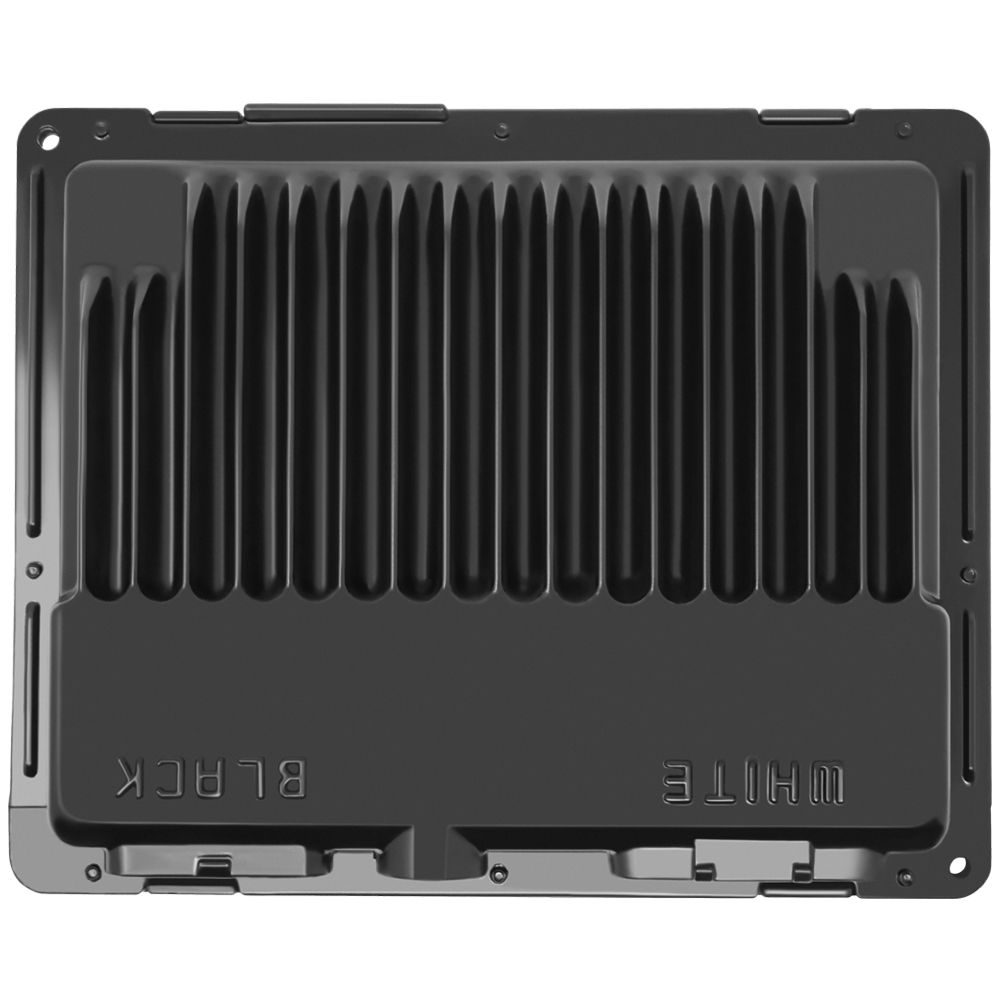
Flagship One stocks a refurbished, VIN-programmed PCM for the 2000 Chevrolet S10 with a lifetime warranty, free shipping and no core charge. The full Chevrolet S10 module lineup covers other engine configurations as well.
The powertrain control module in your 2000 Chevrolet S10 plays a vital role in engine and transmission performance. Recognizing the signs of failure—such as stalling, misfires, or ABS light activation—can help you address issues before they worsen. Whether you opt for a DIY replacement or professional installation, understanding the process and preventive measures ensures long-term reliability. If your S10 is showing symptoms, consider your repair options carefully to keep your vehicle running smoothly.