
Last updated on August 25th, 2026 at 12:22 pm
The Powertrain Control Module (PCM) in the 1999 Ford Contour manages engine and transmission functions by processing sensor data. Failures may cause erratic performance, no-start conditions, or transmission shifting issues due to corrupted data or electrical faults.
If your 1999 Ford Contour is experiencing unexplained stalling, rough idling, or a refusal to start, the Powertrain Control Module (PCM) may be the culprit. This critical component acts as the brain of your vehicle, coordinating engine performance and transmission behavior based on real-time sensor inputs. When it fails, symptoms can range from subtle drivability issues to complete immobilization. Replacing the PCM isn’t just about swapping a part—it involves precise installation and, in many cases, a factory-mandated relearn procedure to ensure proper operation. Understanding the role of the PCM, the steps involved in replacement, and the potential symptoms of failure can help you make informed decisions about repairs. Whether you’re diagnosing an existing issue or preparing for future maintenance, knowing what to expect with your Contour’s PCM will save time and reduce frustration.
In the 1999 Ford Contour, the Powertrain Control Module (PCM) serves as the central command unit for both the engine and transmission. It continuously monitors inputs from sensors—such as the throttle position, oxygen, and crankshaft sensors—to adjust fuel delivery, ignition timing, and shift points for optimal performance. Without a functioning PCM, your vehicle may struggle to start, idle erratically, or fail to shift gears smoothly. The module also stores diagnostic trouble codes when issues arise, which can be read using a scan tool to pinpoint problems. Given its dual role, a faulty PCM can manifest symptoms in either the engine or transmission, making diagnosis more complex. When replacement becomes necessary, you’ll need replacement engine computers for the Contour that are compatible with your vehicle’s specifications. The PCM’s location and accessibility are designed to facilitate relatively straightforward removal and installation, though proper programming is essential to restore full functionality.
1999 Ford Contour
OEM programmed replacements — plug & play, no dealer visit.
Find yours by year, make & model →
Free shipping · Lifetime warranty
The PCM in the 1999 Ford Contour is mounted in the engine compartment, typically secured behind a protective cover near the firewall. Accessing it involves removing this cover, which may require disconnecting a few electrical connectors or fasteners. Once exposed, the module is held in place by a bracket or mounting screws, which must be carefully removed to avoid damaging the unit or its wiring harness. Replacement involves unplugging the electrical connectors, removing the old module, and installing the new one in its place. The labor time for this procedure is typically 1.0 hours, as outlined in factory service manuals. While the physical swap is straightforward, ensuring the new module is properly secured and connected is critical to avoid future electrical issues or intermittent faults.
Work with the ignition off, and treat the module as static-sensitive: avoid touching the connector pins at any point.
| Operation | Configuration | Book Time |
|---|---|---|
| Engine Control Module R&R | All configurations | 1.0 hr |
| Powertrain Control Module R&R | All configurations | 1.0 hr |
| Powertrain Control Module Relearn | All configurations | 0.5 hr |
After installing a new Powertrain Control Module in your 1999 Ford Contour, the factory procedure requires a relearn process to synchronize the module with the vehicle’s systems. This step, which typically takes 0.5 hours, ensures the PCM recognizes the engine and transmission parameters, allowing for proper fuel delivery, ignition timing, and shift scheduling. Without this procedure, the vehicle may exhibit poor performance, stalling, or even fail to start. However, when you opt for a VIN-programmed replacement unit, these steps are already completed before the module arrives. This eliminates the need for additional programming or relearn procedures, saving time and reducing the risk of calibration errors. The pre-programmed unit is matched to your vehicle’s VIN, ensuring compatibility and immediate functionality once installed.
A failing Powertrain Control Module in the 1999 Ford Contour can produce a range of symptoms, often mimicking other mechanical or electrical issues. Common signs include intermittent stalling, especially at idle or during deceleration, as the module struggles to maintain consistent engine control. You may also notice rough idling, misfires, or a lack of power during acceleration, which can stem from incorrect fuel or ignition timing adjustments. In some cases, the vehicle may fail to start altogether, leaving you with a cranking engine that refuses to fire. Transmission-related symptoms, such as harsh or delayed shifts, may also occur if the PCM is unable to properly manage shift points. Another telltale sign is a lack of communication with a scan tool, which can indicate a complete module failure. If the PCM sets an internal fault, you might see a memory integrity error or similar code, pointing to corrupted data within the module. These symptoms often worsen over time, so addressing them promptly can prevent further drivability issues.
Ford has issued several service bulletins addressing Powertrain Control Module (PCM) reprogramming and calibration for the 1999 Contour. TSB 99-04-03 outlines out-of-vehicle reprogramming procedures for EEC V vehicles, ensuring updated software is installed when replacing the PCM. TSB 00-06-11 focuses on recalibration for alternate fuel vehicles, providing specific steps to restore proper functionality after a module swap. Additionally, TSB 98-24-02 details PCM reprogramming requirements when replacing the CD4E transaxle, highlighting the need for updated calibration to match the new transmission parameters. These bulletins emphasize the importance of following factory procedures to avoid drivability issues or module incompatibility.
| Bulletin | Subject | What It Addresses |
|---|---|---|
| 99-04-03 | EEC V VEHICLES ONLY – OUT-OF-VEHICLE – REPROGRAMMING POWERTRAIN CONTROL MODULES (PCMS) | — |
| 00-06-11 | ALTERNATE FUEL VEHICLES ONLY – CALIBRATION – RECALIBRATION OF POWERTRAIN CONTROL MODULES (PCMS) | — |
| 98-24-02 | CD4E – POWERTRAIN CONTROL MODULE (PCM) REPROGRAMMING INFORMATION WHEN REPLACING TRANSAXLE – TRA | — |
Intermittent stalling in your Contour may stem from a failing PCM, particularly if the module is unable to maintain consistent engine control. The PCM regulates fuel delivery and ignition timing, so corrupted data or electrical faults can cause the engine to cut out unexpectedly. Other symptoms, such as rough idling or misfires, often accompany stalling when the PCM is at fault.
In the 1999 Ford Contour, the terms are often used interchangeably because the PCM combines the functions of both the Engine Control Module (ECM) and Transmission Control Module (TCM). This single unit manages engine performance and transmission behavior, making it a critical component for overall drivability.
While the physical replacement of the PCM is straightforward, the process requires careful handling of electrical connectors and adherence to factory procedures. If you’re comfortable working with vehicle electronics and have access to the necessary tools, DIY replacement is possible. However, professional installation ensures proper programming and reduces the risk of errors.
Factory service bulletins for the 1999 Contour specify that a new or replacement PCM may require reprogramming to synchronize with the vehicle’s systems. Symptoms of a module that hasn’t been properly programmed include poor performance, stalling, or transmission shifting issues. A scan tool can confirm whether the PCM is communicating correctly with the vehicle’s sensors.
A P0601 code indicates a memory integrity error within the PCM, which can occur if the module isn’t properly programmed or if there’s an internal fault. After replacement, ensure the new PCM has undergone the required relearn procedure. If the code persists, the module may need to be inspected for defects or replaced again.
If your 1999 Ford Contour is exhibiting symptoms of PCM failure, you have options for repair or replacement. While a refurbished or aftermarket module may seem cost-effective, a VIN-programmed replacement ensures compatibility and eliminates the need for additional programming steps. Given the critical role of the PCM in engine and transmission performance, choosing a unit that’s ready to install can save time and reduce the risk of further issues. Consider your vehicle’s specific needs and the potential long-term benefits of a properly matched replacement.
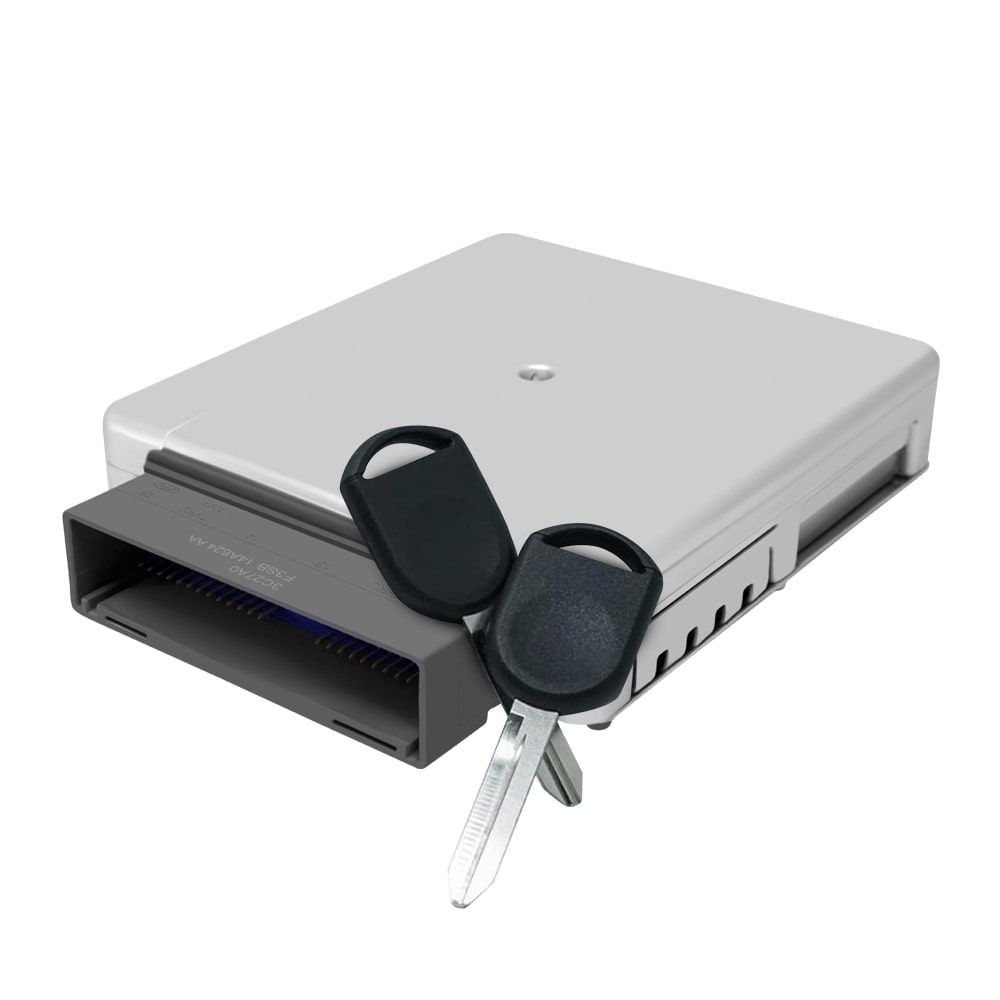
Flagship One stocks a refurbished, VIN-programmed PCM for the 1999 Ford Contour with a lifetime warranty, free shipping and no core charge. The full Ford Contour module lineup covers other engine configurations as well.
The Powertrain Control Module in your 1999 Ford Contour plays a vital role in maintaining smooth engine performance and transmission operation. When symptoms of failure arise, understanding the replacement process and the importance of proper programming can help you make informed decisions. Whether you opt for professional installation or tackle the job yourself, ensuring the new module is correctly matched to your vehicle will restore reliability and drivability. Addressing PCM issues promptly can prevent more extensive repairs down the road.