
Last updated on August 25th, 2026 at 01:39 pm
The Powertrain Control Module (PCM) on your 1995 Ford Contour is the primary computer managing the 2.0L engine’s fuel injection, ignition timing, and emissions systems. When this unit fails, the engine may not run properly or at all.
If you own a 1995 Ford Contour equipped with the 2.0L four-cylinder engine, you may eventually face issues with the vehicle’s central computer — the Powertrain Control Module. This unit serves as the brain of your engine management system, and when it fails or develops internal faults, the vehicle may exhibit a range of drivability problems that can leave you stranded or running poorly. Understanding how this module functions, where it is located, and what the replacement process involves can help you make informed decisions about repairs. This guide covers the role of the PCM in your specific vehicle, common failure indicators, factory service procedures, and what you need to know about programming requirements. Whether you are diagnosing a no-start condition or planning a preventive replacement, the information here will help you understand the scope of work and what to expect from the repair process.
The Powertrain Control Module in your 1995 Ford Contour is the central computing unit responsible for managing the engine and transmission functions on this pre-OBD-II vehicle. Unlike later vehicles that use standardized on-board diagnostics, the 1995 Contour relies on this dedicated module to control fuel injector pulse width, idle air control, ignition timing advance, and the operation of the automatic transaxle. The module receives input from various sensors throughout the engine bay, including the coolant temperature sensor, throttle position sensor, and mass air flow sensor, then uses this data to calculate the optimal air-fuel mixture and spark timing for current operating conditions.
This computer is a single-unit design that integrates what some manufacturers separate into distinct Engine Control Module and Transmission Control Module functions. The PCM also monitors certain emissions control components and manages the check engine lamp circuitry. Because the module contains its own non-volatile memory, it learns and stores adaptive values that tailor engine operation to your specific vehicle’s characteristics over time. When the internal memory becomes corrupted or the processor fails, the module may default to limp-home mode or cause complete engine shutdown. Replacing the PCM requires addressing both the physical hardware and the software calibration to restore proper operation. For owners seeking replacement PCs for the 1995 Contour, understanding this integrated design is essential for successful repairs.
1995 Ford Contour
OEM programmed ECM for your 1995 Ford Contour — plug & play, no dealer visit.
Free shipping · Lifetime warranty
Locating the Powertrain Control Module on a 1995 Ford Contour requires accessing the passenger-side footwell area, where the module is mounted beneath the dashboard panel. The replacement procedure begins with disconnecting the vehicle’s battery negative terminal to prevent electrical shorts during the work. Technicians must then remove the kick panel trim and any carpeting that obscures the module’s mounting location.
The module itself is secured with mounting bolts and features a multi-pin electrical connector that locks into place. Care must be taken to release the connector locking mechanism before attempting to pull the harness free. Once the old unit is removed, the replacement PCM is installed in the reverse order of removal, ensuring the connector seats fully and clicks into place. The book time for Powertrain Control Module R&R on this vehicle is 0.6 hours, which covers the physical replacement labor. After the module is secured, the battery is reconnected and the relearn procedure must be performed to allow the new module to adapt to your vehicle’s specific sensors and components. The relearn procedure adds 0.5 hours of labor to the overall job. If your vehicle has a separate Engine Control Module that requires replacement rather than the integrated PCM, the book time is 1.0 hours for that procedure. All mounting hardware should be torqued to specification to prevent vibration-related failures.
| Operation | Configuration | Book Time |
|---|---|---|
| Powertrain Control Module R&R | All configurations | 0.6 hr |
| Powertrain Control Module Relearn | All configurations | 0.5 hr |
| Engine Control Module R&R | All configurations | 1.0 hr |
After replacing the Powertrain Control Module on your 1995 Ford Contour, the factory procedure requires performing a relearn sequence to establish communication between the new module and the vehicle’s sensors. This procedure involves allowing the engine to idle for a specified period while the module monitors and calibrates to the inputs from the throttle position sensor, coolant temperature sensor, and other critical engine monitoring devices. The relearn process ensures that the new module can properly control fuel delivery and ignition timing for your specific vehicle.
Without completing this procedure, the engine may run roughly, stall at idle, or exhibit hesitation under acceleration. The factory service procedure is designed to initialize the adaptive memory tables within the replacement module so it responds correctly to driver inputs and varying operating conditions. When you purchase a replacement unit from Flagship One, the module arrives VIN-programmed so those initialization steps are already completed before installation. This means the new VIN-programmed replacement PCM can often be installed with minimal additional programming requirements, saving you time and ensuring the module is ready to communicate with your vehicle’s systems immediately after installation.
The Powertrain Control Module on a 1995 Ford Contour can fail in several ways, each producing distinct symptoms that help identify the source of the problem. One of the most common indications of PCM failure is a no-start condition where the engine cranks normally but receives no fuel or spark because the module has stopped sending commands to the fuel injectors and ignition system. In other cases, the vehicle may start but immediately stall, or run poorly with a rough idle that makes the engine feel like it is struggling to maintain combustion.
Misfire conditions are frequently reported when the PCM fails to properly time fuel delivery to each cylinder, resulting in popping sounds through the exhaust and a noticeable loss of power during acceleration. Some owners experience stalling at stoplights or when coming to a stop, which occurs because the module may not be correctly managing the idle air control function. Another concerning symptom is complete loss of communication with scan tools — if your diagnostic equipment cannot establish a link with the vehicle’s computer, the module may have an internal fault that prevents standard diagnostic communication. Transmission shifting problems can also stem from PCM issues since this module controls the transaxle on the Contour, and drivers may notice harsh shifts, delayed engagement, or the vehicle becoming stuck in a single gear. The check engine lamp may illuminate intermittently or remain constantly lit when the module detects internal faults, though this vehicle predates standardized OBD-II fault codes.
Factory service bulletins TSB 97-09-08 and TSB 98-24-02 address Powertrain Control Module procedures for the 1995 Ford Contour and related vehicles. TSB 97-09-08 provides service procedures and tips for reprogramming the PCM, covering the proper sequence for initializing a replacement module and verifying communication with engine sensors. This bulletin outlines the specific steps dealer technicians should follow to ensure the replacement module functions correctly in your vehicle. TSB 98-24-02 addresses PCM reprogramming specifically when the transaxle is also being replaced, noting that the module must be calibrated to match the new transmission characteristics. Both bulletins emphasize the importance of using the correct calibration file for your vehicle’s specific engine and transmission combination to prevent drivability issues.
| Bulletin | Subject | What It Addresses |
|---|---|---|
| 97-09-08 | POWERTRAIN CONTROL MODULE – REPROGRAM POWERTRAIN CONTROL MODULE (PCM) – SERVICE PROCEDURES – SE | — |
| 98-24-02 | CD4E – POWERTRAIN CONTROL MODULE (PCM) REPROGRAMMING INFORMATION WHEN REPLACING TRANSAXLE – TRA | — |
When your 1995 Ford Contour requires PCM replacement, you have two primary options for obtaining a replacement unit. A new OEM module from the dealer ensures correct part numbers and specifications but often requires dealer programming at additional cost. Alternatively, a professionally refurbished replacement from Flagship One arrives VIN-programmed and ready to install, eliminating the programming delay and reducing overall repair costs. Given the integrated nature of the PCM on this vehicle and the specific calibration requirements, choosing a unit programmed for your exact vehicle ensures the best results and avoids common installation pitfalls.
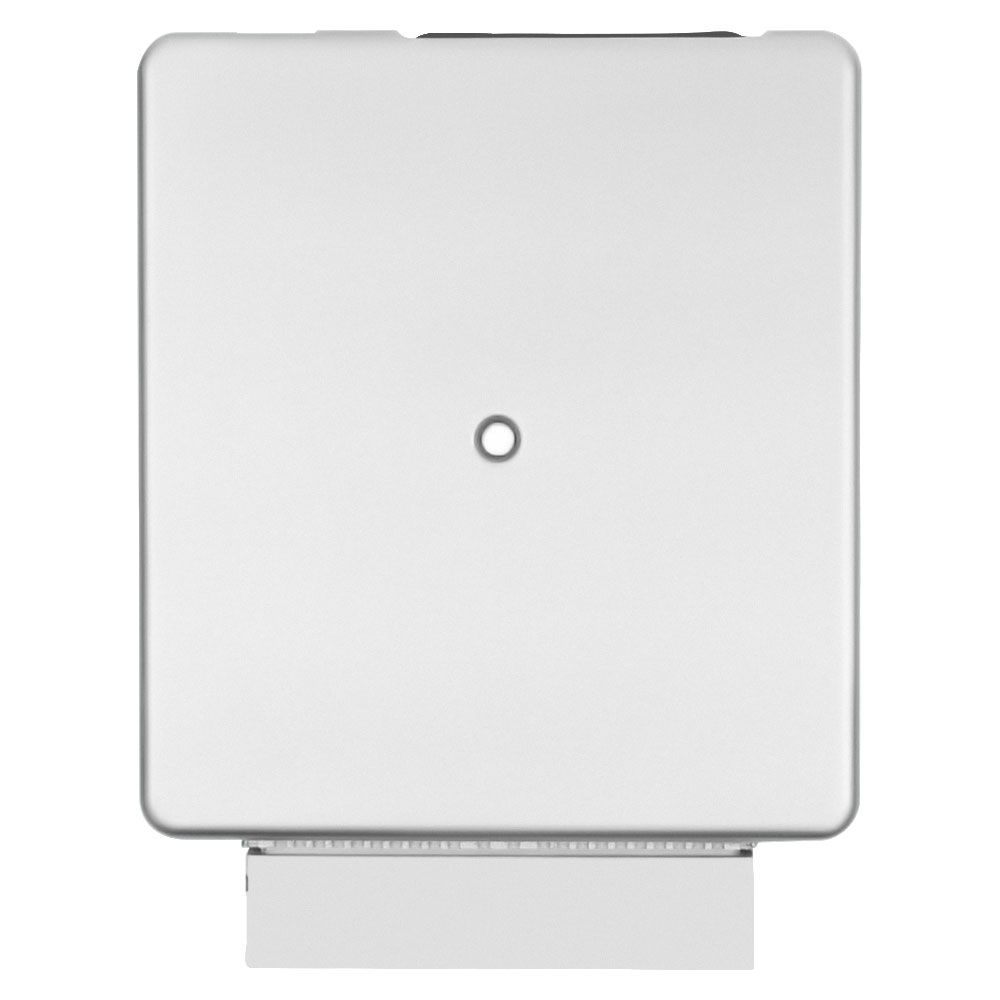
Flagship One stocks a refurbished, VIN-programmed PCM for the 1995 Ford Contour with a lifetime warranty, free shipping and no core charge. The full Ford Contour module lineup covers other engine configurations as well.
The Powertrain Control Module is a critical component on your 1995 Ford Contour, managing engine and transaxle functions that determine whether your vehicle runs properly. When this module fails, the resulting symptoms can leave you stranded or driving a vehicle that performs poorly. Understanding the replacement process, programming requirements, and the importance of using a correctly programmed unit helps you make informed repair decisions. Whether you choose dealer parts or a professionally programmed replacement, addressing PCM issues promptly restores your Contour’s reliability and drivability.