
Last updated on August 25th, 2026 at 01:42 pm
In the 1997 Saturn S-Series, the Powertrain Control Module (PCM) and Engine Control Module (ECM) manage fuel delivery, ignition timing, and emission controls. Failure of either unit can cause loss of power, rough idle, or complete no‑start conditions, often accompanied by diagnostic trouble codes stored in the vehicle’s computer.
When a 1997 Saturn S-Series begins to exhibit intermittent loss of power, rough running, or a dead scan‑tool connection, the underlying cause often traces back to the vehicle’s control computers. The Powertrain Control Module and Engine Control Module serve as the brain for fuel, spark, and emission systems, translating sensor data into precise actuator commands. Understanding how these modules operate, where they reside, and what steps are required after replacement can help you decide whether a repair or a refurbished replacement is the most efficient path. This guide outlines the function of each computer, the typical labor involved, the programming steps required, and practical tips to keep the modules healthy.
The PCM in the 1997 Saturn S-Series integrates power‑train management, handling fuel injection, ignition timing, and anti‑lock brake coordination. The ECM focuses on engine‑specific parameters, ensuring optimal combustion and emissions compliance. Both modules store calibration data that the engine relies on for smooth operation. When either module malfunctions, the vehicle may experience stalling, misfires, or loss of driveability. Proper replacement restores the calibrated logic and enables the vehicle’s control systems to resume normal communication. The modules are interchangeable within the Saturn lineup, and a replacement engine computers for the 1997 Saturn S-Series can be sourced to match factory specifications.
1997 Saturn S-Series
OEM programmed ECM for your 1997 Saturn S-Series — plug & play, no dealer visit.
Free shipping · Lifetime warranty
The PCM and ECM are mounted in the engine compartment, accessible after removal of the interior upper trim panel. Technicians first remove the I/P upper trim panel, taking care not to damage the VIN plate or the trim panel seal, then detach the sound insulator pad. Replacement involves disconnecting the electrical connector, removing the mounting hardware, and installing the new unit. Labor times are listed as 0.7 hours for removal and reinstall of each module, with an additional 0.5 hours for the required relearn procedure after installation.
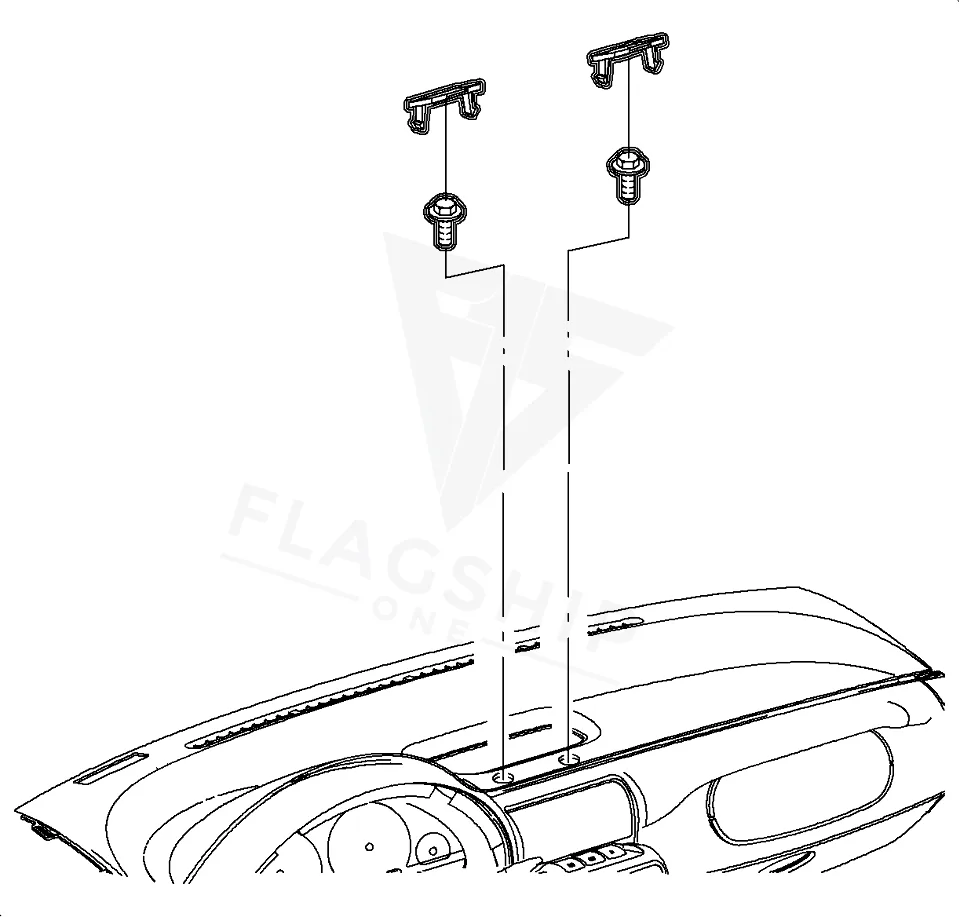
Work with the ignition off, and treat the module as static-sensitive: avoid touching the connector pins at any point.
| Operation | Configuration | Book Time |
|---|---|---|
| Powertrain Control Module R&R | SC2 | 0.7 hr |
| Powertrain Control Module R&R | SW2 | 0.7 hr |
| Powertrain Control Module Relearn | SC2 | 0.5 hr |
| Powertrain Control Module Relearn | SW2 | 0.5 hr |
| Engine Control Module R&R | SC2 | 0.7 hr |
| Engine Control Module R&R | SL2 | 0.7 hr |
| Engine Control Module R&R | SW2 | 0.7 hr |
| Engine Control Module Relearn | SC2 | 0.5 hr |
After installing a new PCM or ECM, the factory procedure calls for reprogramming the software and calibrations, followed by a relearn cycle to synchronize the module with the vehicle’s sensors. Flagship One units arrive VIN‑programmed, meaning those steps are already completed before the part reaches you. This eliminates the need for on‑site software updates and ensures the replacement is ready for immediate installation. A a VIN‑programmed replacement unit therefore reduces shop time and potential for programming errors.
Typical signs of a failing PCM or ECM in a 1997 Saturn S-Series include engine no‑start, sudden stalling while driving, irregular idle, and loss of transmission shift quality. You may also notice the check engine light illuminating without a clear fault, or a complete loss of communication with a scan tool. These symptoms arise because the module can no longer translate sensor inputs into correct actuator commands, disrupting fuel, spark, and emission controls.
Bulletin #96‑T‑46B (June 22, 1998) addresses PCM and anti‑lock brake interactions for model years 1991‑1997. Bulletin #96‑T‑50A (January 10, 2003) covers intermittent electrical accessory failures, MIL illumination, and key‑in‑run position issues. Bulletin #03‑00‑89‑025 (August 29, 2003) clarifies labor codes used for reprogramming vehicle controllers.
| Bulletin | Subject | What It Addresses |
|---|---|---|
| — | 1991 – 1997 POWERTRAIN CONTROL MODULE (PCM) & ANTILOCK BRAKE – (Jun 22, 1998) | — |
| — | Electrical Accessories Intermittently Inoperative, MIL On and DTCs Set in PCM Memory, and/or Ke | — |
| 03-00-89-025 | Info – Clarification of Labor Codes Used for Reprogramming Vehicle Controllers – (Aug 29, 2003) | — |
The PCM is reachable after removing the interior upper trim panel, and the labor time is about 0.7 hours. However, you must also perform a relearn procedure, which typically requires specialized equipment.
The PCM oversees overall power‑train functions, including anti‑lock brakes, while the ECM focuses on engine‑specific control such as fuel injection and ignition timing.
Yes, factory cautions advise recording existing radio stations and clock settings before disconnecting the battery, then restoring them after the new module is installed.
A refurbished unit that has been VIN‑programmed restores the original calibrations and passes the same relearn steps as a new part, providing comparable performance.
Routine service intervals are the best time to verify that the module’s software is current, especially if you notice any driveability issues.
When the PCM or ECM in your 1997 Saturn S-Series fails, you can choose a repair that restores the original hardware or opt for a refurbished, VIN‑programmed replacement that eliminates the need for post‑install programming. Both paths aim to return your vehicle to reliable operation, with the refurbished option often reducing labor time while meeting factory specifications.
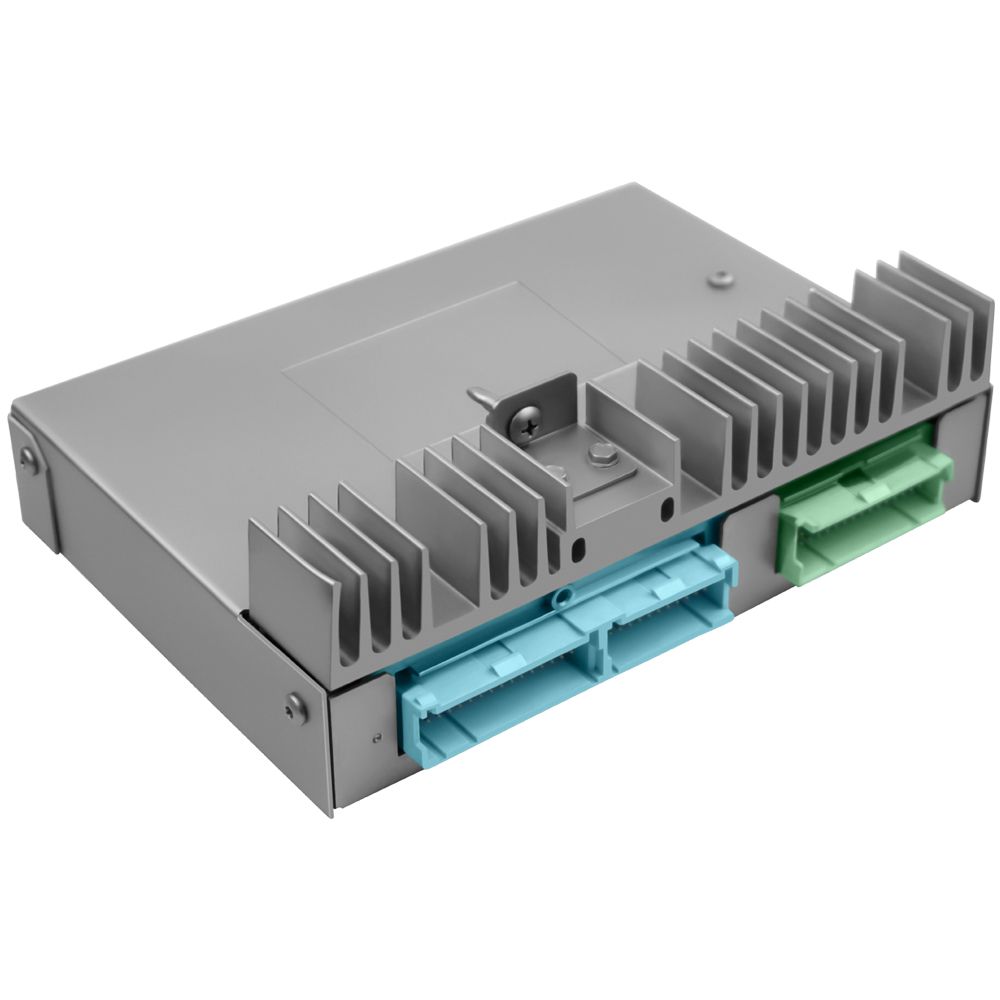
Flagship One stocks a refurbished, VIN-programmed PCM for the 1997 Saturn S-Series with a lifetime warranty, free shipping and no core charge. The full Saturn S-Series module lineup covers other engine configurations as well.
The 1997 Saturn S-Series relies on its PCM and ECM for smooth engine performance. Whether you repair the original unit or install a Flagship One replacement, ensuring proper programming and relearn steps will help your vehicle run as intended. Consider your service preferences and choose the solution that best fits your schedule.