
Last updated on August 25th, 2026 at 02:01 pm
The Powertrain Control Module (PCM) in your 1997 Mazda 626 manages fuel delivery, ignition timing, and emissions systems. Failures may cause erratic engine behavior, poor performance, or complete stalling, often triggered by voltage spikes or corrosion.
If your 1997 Mazda 626 has been acting unpredictably—stalling at stops, hesitating under acceleration, or refusing to start—your vehicle’s Powertrain Control Module (PCM) may be the culprit. This small but critical computer oversees everything from fuel injection to ignition timing, ensuring smooth operation. When it fails, symptoms can range from subtle performance issues to complete engine shutdowns. Replacing the PCM isn’t just about swapping a part; it involves careful installation and a factory-required relearn procedure to sync the new module with your vehicle’s systems. Understanding these steps helps you make informed decisions, whether you’re tackling the job yourself or working with a mechanic. With the right replacement unit, the process becomes more straightforward, restoring your Mazda’s reliability without unnecessary delays.
The Powertrain Control Module (PCM) in your 1997 Mazda 626 serves as the brain of the engine and transmission, coordinating fuel delivery, ignition timing, and emissions controls. It constantly adjusts these systems based on sensor inputs, ensuring optimal performance and efficiency. Without a functioning PCM, your vehicle may struggle to start, run roughly, or even enter a failsafe mode that limits power. Over time, exposure to heat, moisture, or voltage fluctuations can degrade the module’s internal components, leading to intermittent or permanent failures. When replacement becomes necessary, choosing replacement PCMs for the 626 ensures compatibility and avoids the hassle of manual programming. The PCM’s role is especially critical in older vehicles like yours, where sensor tolerances and engine wear demand precise control to maintain drivability.
1997 Mazda 626
OEM programmed ECM for your 1997 Mazda 626 — plug & play, no dealer visit.
Free shipping · Lifetime warranty
In your 1997 Mazda 626, the PCM is located behind the dashboard on the passenger side, near the firewall. Accessing it requires removing the lower dashboard panel and possibly disconnecting wiring harnesses to reach the mounting bolts. The factory labor time for removal and reinstallation is 0.8 hours, reflecting the straightforward but careful process needed to avoid damaging connectors or nearby components. Once the old module is removed, the new unit can be secured in place, and all electrical connections reattached. Torque specifications for the mounting bolts are typically provided in service manuals, though exact values aren’t always documented for this model. Given the module’s position, it’s wise to inspect the area for signs of moisture or corrosion, which could contribute to future failures.
| Operation | Configuration | Book Time |
|---|---|---|
| Powertrain Control Module R&R | All configurations | 0.8 hr |
| Powertrain Control Module Relearn | All configurations | 0.5 hr |
| Engine Control Module R&R | All configurations | 0.8 hr |
| Engine Control Module Relearn | All configurations | 0.5 hr |
After installing a new PCM in your 1997 Mazda 626, the factory procedure requires a relearn process to synchronize the module with your vehicle’s sensors and systems. This step, which typically takes 0.5 hours, ensures the engine runs smoothly and prevents issues like poor idle or erratic shifting. However, if you opt for a VIN-programmed replacement unit, this relearn step is already completed, saving you time and potential frustration. The pre-programmed unit arrives ready to install, eliminating the need for additional diagnostic tools or dealer visits. This convenience is particularly valuable for older vehicles, where compatibility and calibration can be more challenging to achieve manually.
A failing PCM in your 1997 Mazda 626 often announces itself through a range of symptoms, some subtle and others impossible to ignore. You may notice the engine stalling unexpectedly, especially at idle or during deceleration, or experiencing rough acceleration as if the fuel mixture is off. Misfires can occur, sometimes accompanied by a flashing check-engine light, while other times the light remains steady with stored codes. Poor fuel economy or a sudden drop in power may also signal PCM issues, as the module struggles to maintain proper engine timing. In some cases, the vehicle may fail to start at all, leaving you with a cranking engine that refuses to fire. Scan tools may reveal communication errors or specific trouble codes like catalytic efficiency below threshold, which can point to PCM-related faults. Transmission shifting problems, such as delayed or harsh gear changes, may also arise if the PCM isn’t communicating correctly with the transmission control module. These symptoms often worsen over time, so addressing them promptly can prevent further drivability issues.
Mazda issued several service bulletins relevant to the PCM in the 1997 626, addressing common issues and updates. One bulletin, titled ‘Mazda Tips: Remanufactured ECU Numbering Change,’ outlines changes to part numbering for remanufactured modules, which may affect replacement options. Another, ‘Mazda Tips: PCM Running Change,’ details updates to the PCM’s internal software or hardware to address known issues. Additionally, bulletin F005/98 covers instances where the Malfunction Indicator Light (MIL) illuminates with Diagnostic Trouble Code (DTC) P0421, which relates to catalytic converter efficiency. These bulletins provide guidance for technicians and owners dealing with PCM-related problems, ensuring repairs align with factory recommendations.
| Bulletin | Subject | What It Addresses |
|---|---|---|
| — | Mazda Tips: Remanufactured Ecu Numbering Change | — |
| — | Mazda Tips: PCM Running Change | — |
| — | F005/98 MIL Illumination With DTC P0421 | — |
Stalling after a PCM replacement often indicates the module hasn’t completed its relearn procedure. This process allows the PCM to adapt to your vehicle’s sensors and driving conditions. If the relearn isn’t performed, the engine may run poorly or stall. Using a pre-programmed unit eliminates this step, ensuring smoother operation immediately after installation.
Yes, a failing PCM can lead to emissions test failures by disrupting fuel mixture, ignition timing, or catalytic converter efficiency. Trouble codes like P0421 may appear, indicating the PCM isn’t properly managing emissions systems. Replacing the module and addressing any related issues can restore compliance.
PCM failures often produce multiple symptoms, such as stalling, misfires, and communication errors with scan tools. If other components like sensors or wiring check out, the PCM may be the culprit. A diagnostic scan revealing inconsistent or implausible sensor data can also point to PCM issues.
Driving with a failing PCM can be risky, as the vehicle may stall unexpectedly or lose power. In some cases, the engine may enter a failsafe mode, limiting performance to prevent damage. If you notice symptoms like stalling or rough running, it’s best to address the issue promptly to avoid being stranded.
In your vehicle, the terms PCM (Powertrain Control Module) and ECM (Engine Control Module) are often used interchangeably, but the PCM typically refers to the combined engine and transmission control unit. Both manage critical functions, but the PCM’s broader role includes overseeing transmission shifting and emissions systems alongside engine performance.
If your 1997 Mazda 626 is showing signs of PCM failure, you have options for repair or replacement. While a refurbished or remanufactured unit can restore functionality, a new, pre-programmed replacement ensures compatibility and eliminates the need for additional programming steps. Given the labor involved, choosing a unit that arrives ready to install can save time and reduce the risk of post-installation issues. Whether you’re handling the job yourself or working with a mechanic, selecting the right module is key to getting your vehicle back on the road reliably.
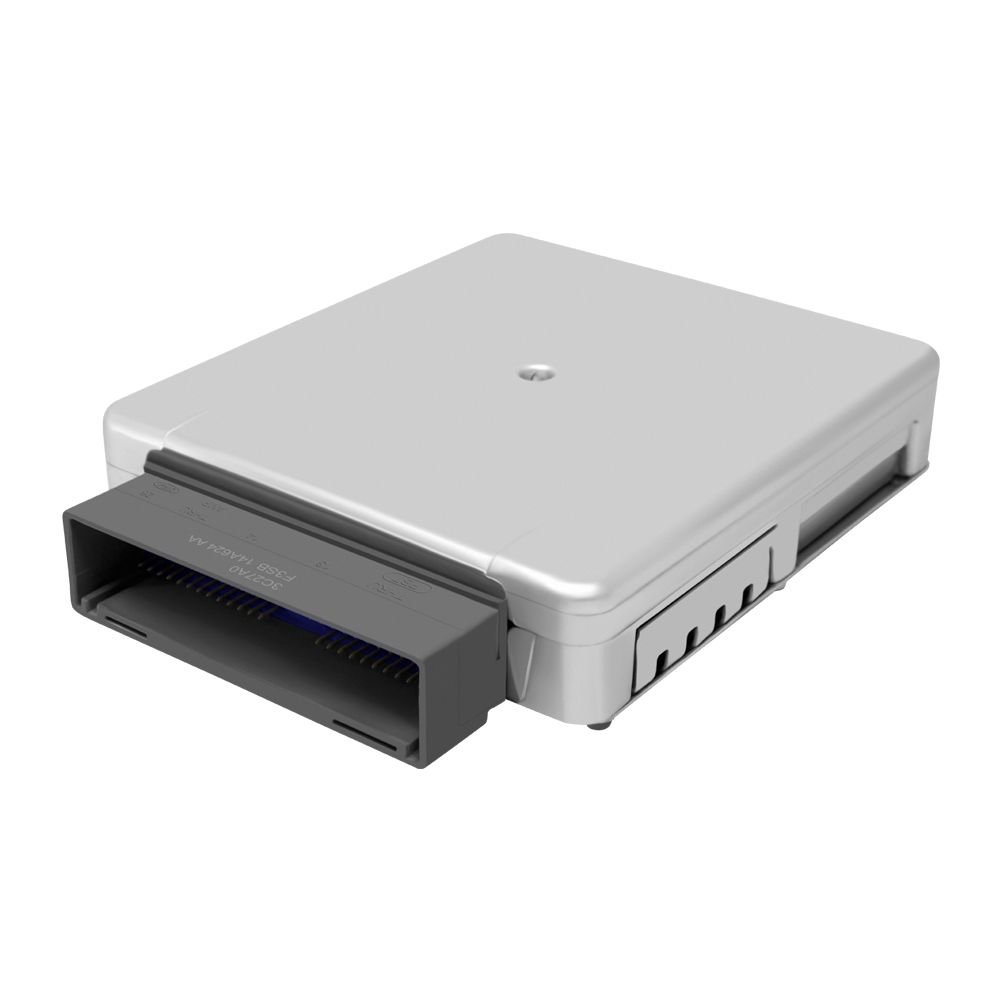
Flagship One stocks a refurbished, VIN-programmed PCM for the 1997 Mazda 626 with a lifetime warranty, free shipping and no core charge. The full Mazda 626 module lineup covers other engine configurations as well.
The 1997 Mazda 626 relies on its PCM to manage critical engine and transmission functions, and when this module fails, it can lead to frustrating drivability issues. Understanding the symptoms, replacement process, and factory requirements helps you make informed decisions about repairs. Whether you opt for a DIY approach or professional installation, choosing a pre-programmed replacement unit ensures a smoother, more reliable outcome. Addressing PCM issues promptly can restore your vehicle’s performance and keep it running smoothly for years to come.