
Last updated on August 25th, 2026 at 02:01 pm
The Powertrain Control Module (PCM) in your 1994 Mazda 626 2.0L is the engine’s main computer, managing fuel injection, ignition timing, and emissions. Failure can cause no-start, stalling, poor performance, and check engine light issues.
If your 1994 Mazda 626 2.0L is experiencing starting problems, stalling, or a check engine light that won’t go away, the Powertrain Control Module (PCM) may be the culprit. This guide explains what the PCM does in your specific vehicle, how to recognize failure symptoms, where it is located, and what replacement involves. You will learn about the diagnostic process for this pre-OBD-II system, including how to retrieve trouble codes without a scan tool. Understanding these details helps you avoid unnecessary repairs and ensures you get the right replacement part. Whether you are a DIY owner or a professional technician, this information will help you diagnose and resolve PCM-related issues efficiently. We also cover the benefits of choosing a pre-programmed replacement unit from Flagship One, which eliminates the need for dealer programming and gets your 626 back on the road faster.
1994 Mazda 626
OEM programmed ECM for your 1994 Mazda 626 — plug & play, no dealer visit.
Free shipping · Lifetime warranty
The Powertrain Control Module (PCM) in your 1994 Mazda 626 2.0L is the brain of the engine management system. It receives input from sensors such as the oxygen sensor, throttle position sensor, coolant temperature sensor, and crankshaft position sensor. Using this data, the PCM calculates the correct fuel injection pulse width, ignition timing, and idle speed. It also controls the transmission shift points if your 626 has an automatic transmission. Because this is a pre-OBD-II vehicle, the PCM uses a proprietary diagnostic protocol. When a fault occurs, the PCM stores a trouble code that can be retrieved by jumping a connector and counting check engine light flashes. This system is less standardized than later OBD-II, but it is still reliable for diagnosing issues. The PCM is critical for engine performance, fuel economy, and emissions compliance. A failing PCM can cause a range of drivability problems. If you need to replace it, you should consider replacement PCMs for the 1994 Mazda 626 that are pre-programmed to match your vehicle’s specifications. This ensures plug-and-play installation without the need for dealer visits.
The PCM in the 1994 Mazda 626 2.0L is typically located under the hood on the passenger side, mounted near the firewall. It is often attached to the inner fender or a bracket. To access it, you may need to remove the air cleaner housing or other components. The module is a metal box with one or two large electrical connectors. Replacement involves disconnecting the battery, unbolting the PCM, and carefully removing the connectors. When installing the new unit, ensure the connectors are fully seated and the mounting bolts are tightened securely. No specific labor time is provided, but the job is straightforward for someone with basic mechanical skills. Take care to avoid damaging the connectors or the PCM itself. After installation, verify that all connections are clean and tight to prevent future issues.
After replacing the PCM in a 1994 Mazda 626 2.0L, the factory procedure typically requires the module to be initialized with the vehicle’s VIN and specific calibration data. This process often involves a dealer-level scan tool to program the immobilizer, if equipped, and to set the correct parameters for the engine and transmission. However, Flagship One provides a pre-programmed replacement PCM that arrives with the correct VIN and calibration already loaded. This means you can install the unit and start the engine without any additional programming steps. The module is ready to communicate with your vehicle’s sensors and actuators immediately. This saves time and eliminates the need for a trip to the dealership. Always ensure the replacement PCM matches your exact engine and transmission configuration.
A failing PCM in your 1994 Mazda 626 2.0L can produce a variety of symptoms. The most common is a no-start condition where the engine cranks but does not fire. You may also experience intermittent stalling, especially when the engine is hot. The check engine light may illuminate and stay on, or it may flash a trouble code when you perform the diagnostic procedure. Other symptoms include poor fuel economy, rough idle, hesitation during acceleration, and erratic transmission shifting if your vehicle has an automatic. In some cases, the engine may run but with reduced power or a noticeable misfire. You might also find that the cooling fan runs continuously or the fuel pump does not prime. Because the PCM controls many systems, a failure can mimic other component failures. It is important to retrieve the stored trouble codes using the pre-OBD-II method to confirm the PCM is the issue before replacing it.
The most common symptoms include a no-start condition, intermittent stalling, a check engine light that stays on, poor fuel economy, and erratic transmission shifting. You may also notice rough idle or hesitation during acceleration.
For this pre-OBD-II vehicle, locate the diagnostic connector under the hood. Use a jumper wire to connect the appropriate terminals, then turn the ignition to the ON position. The check engine light will flash a series of codes. Count the flashes to identify the fault.
Yes, replacement is a straightforward DIY job if you have basic mechanical skills. The PCM is located under the hood on the passenger side. Disconnect the battery, unbolt the module, and carefully remove the connectors. Install the new unit and reconnect everything.
Factory replacement PCMs often require programming with the vehicle’s VIN and calibration data. However, Flagship One offers pre-programmed units that are ready to install. This eliminates the need for dealer programming and saves time.
First, verify that the replacement PCM is correctly installed and all connectors are secure. Check for any stored trouble codes. If problems persist, inspect related components such as sensors, wiring, and grounds. A professional diagnosis may be needed.
When your 1994 Mazda 626 2.0L needs a new PCM, you have options: repair the original unit or replace it with a refurbished or new module. Repairing a PCM is often not cost-effective due to the complexity of the circuitry. A replacement from Flagship One is a reliable choice, as each unit is pre-programmed for your specific vehicle. This ensures a direct fit and immediate operation, getting your 626 back on the road without delays.
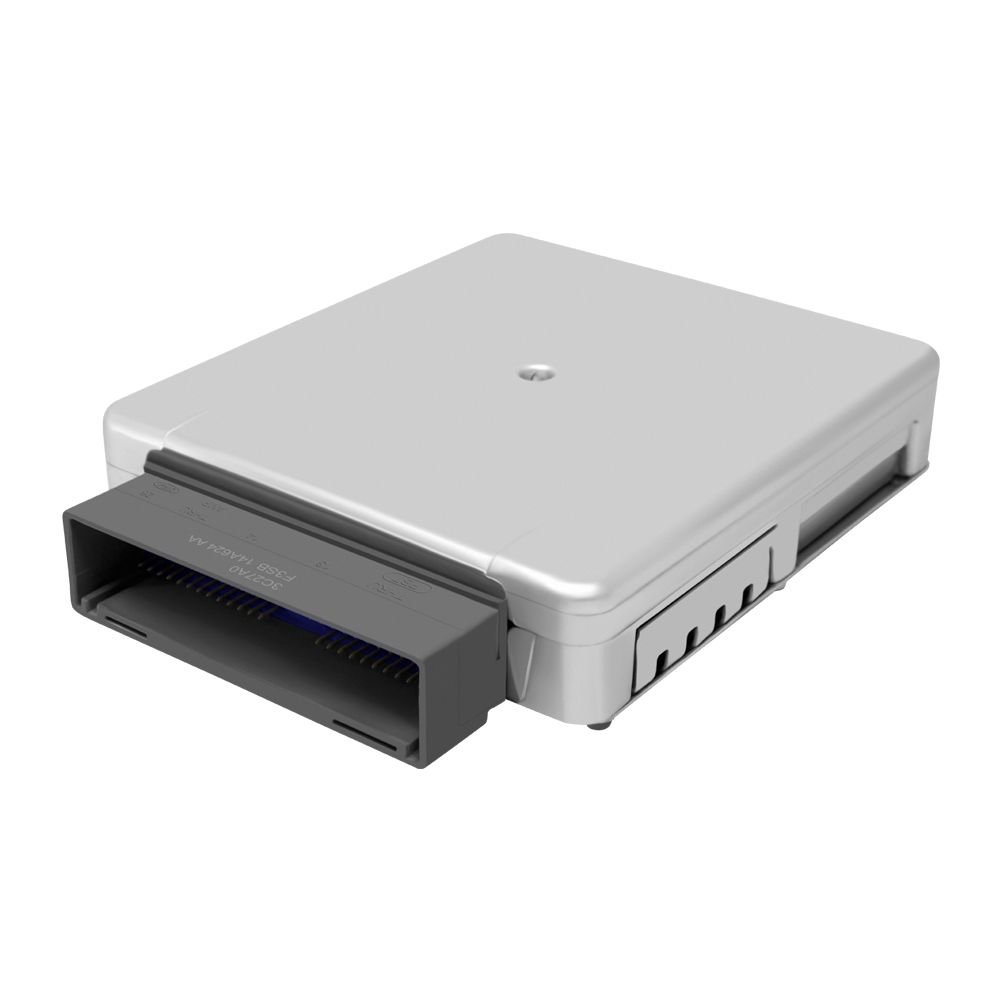
Flagship One stocks a refurbished, VIN-programmed ECM for the 1994 Mazda 626 with a lifetime warranty, free shipping and no core charge. The full Mazda 626 module lineup covers other engine configurations as well.
The PCM is a vital component in your 1994 Mazda 626 2.0L, and understanding its function, symptoms, and replacement process helps you maintain your vehicle’s reliability. Whether you choose to repair or replace, Flagship One offers pre-programmed units that simplify the job. Keep your 626 running smoothly with the right PCM solution.