
Last updated on August 25th, 2026 at 02:00 pm
The Powertrain Control Module (PCM) in the 1999 Mazda 626 manages fuel injection, ignition timing, and transmission shifts. When it fails, engine performance can degrade, leading to stalling or misfires.
You may notice your 1999 Mazda 626 hesitating, stalling, or flashing the check‑engine light. Those symptoms can stem from a failing Powertrain Control Module, the brain that coordinates fuel delivery, ignition, and transmission operation. This guide explains what the PCM does in your vehicle, why it matters, and how a replacement or a refurbished unit can restore reliable performance. It also covers the exact labor steps, factory programming requirements, and common warning signs so you know what to expect when you decide to repair or replace your module.
In the 1999 Mazda 626, the PCM controls the engine’s combustion process and manages shift points for the automatic transmission. It receives input from sensors such as throttle position, engine temperature, and crankshaft speed, then adjusts fuel and spark timing accordingly. Failure of the PCM can result in uneven idle, rough running, or a loss of power. 1999 Mazda 626 Powertrain Control Module The PCM also interfaces with the immobilizer system, ensuring that the vehicle only starts when the correct key signal is detected. Because this unit is central to engine management, a malfunction can trigger multiple diagnostic trouble codes and compromise vehicle safety.
Engine computer (ECM/PCM)
OEM programmed replacements — plug & play, no dealer visit.
Find yours by year, make & model →
Free shipping · Lifetime warranty
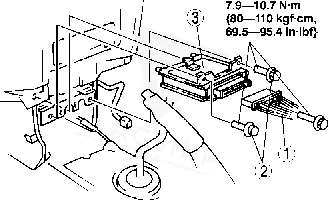
The PCM is located beneath the dash on the driver’s side, near the steering column. Removing the module involves disconnecting the battery, taking out the dash panel, and unplugging the wiring harness. The labor estimate for removal and installation is 0.6 hours without the immobilizer and 0.7 hours with it. After the new module is seated, the harness connectors must be re‑attached and the dash panel replaced. No special torque tools are required for this step, but care should be taken to avoid static discharge.
| Operation | Configuration | Book Time |
|---|---|---|
| Powertrain Control Module R&R | Without Immobilize System | 0.6 hr |
| Powertrain Control Module R&R | With Immobilize System | 0.7 hr |
| Powertrain Control Module Relearn | All configurations | 0.5 hr |
| Engine Control Module R&R | Without Immobilize System | 0.6 hr |
| Engine Control Module R&R | With Immobilize System | 0.7 hr |
| Engine Control Module Relearn | All configurations | 0.5 hr |
After installing a new PCM, the factory procedure normally requires a relearn sequence to sync the engine and transmission maps. Flagship One units arrive VIN‑programmed, so the relearn step is already completed and no additional programming is necessary. During installation, the technician should verify that the module’s serial number matches the VIN and that the immobilizer key is programmed correctly. VIN‑programmed replacement unit This eliminates the typical post‑install diagnostic steps.
Common signs that the PCM in a 1999 Mazda 626 may be failing include a hard start, engine stalling at idle, or a sudden loss of power. You might also see the check‑engine light illuminate with codes such as P1131 or P1132, which relate to throttle position sensor or fuel injector issues, but are often triggered by a faulty PCM. If the PCM is damaged by static electricity, the engine may run roughly, misfire, or even fail to communicate with a scan tool. Powertrain Control Module Internal Failure These symptoms often arise before the vehicle’s fault codes are fully populated, making early detection crucial.
Service Bulletin 01 013/99 addresses the 1998‑99 626 (4‑cyl.) regarding driveability concerns and MIL on DTC P1131 / P1132. Bulletin 07 002/09 deals with a musty or mildew odor in the air conditioning system.
| Bulletin | Subject | What It Addresses |
|---|---|---|
| — | Mazda Tips: Remanufactured Ecu Numbering Change | — |
| — | 01 013/99 1998 99 626 (4cyl.) No Driveability Concerns MIL On DTC P1131 / P1132 | — |
| — | 07 002/09 Multi Model Air Conditioning Musty / Mildew Odor | — |
If the stall is due to a faulty PCM, a replacement can restore normal operation. However, stalls can also result from sensor issues or fuel delivery problems, so a diagnostic scan is recommended before ordering a new unit.
Flagship One units are VIN‑programmed, so the relearn step is already completed. The vehicle will recognize the new module without additional programming.
Yes, the PCM is sensitive to static charges. During service, technicians use anti‑static wrist straps and grounded tools to prevent damage.
The labor time is 0.6 hours without the immobilizer and 0.7 hours with it, assuming no additional complications.
Codes such as P1131, P1132, and P0601 are common indicators of PCM or related sensor problems.
When your 1999 Mazda 626 shows signs of PCM failure, you have the option to repair the existing unit or replace it with a refurbished, VIN‑programmed module. A refurbished replacement can bring your vehicle back to factory performance at a lower cost, while a repair may be viable if the damage is minor. Either choice restores the engine’s communication with its key control systems and ensures reliable operation.
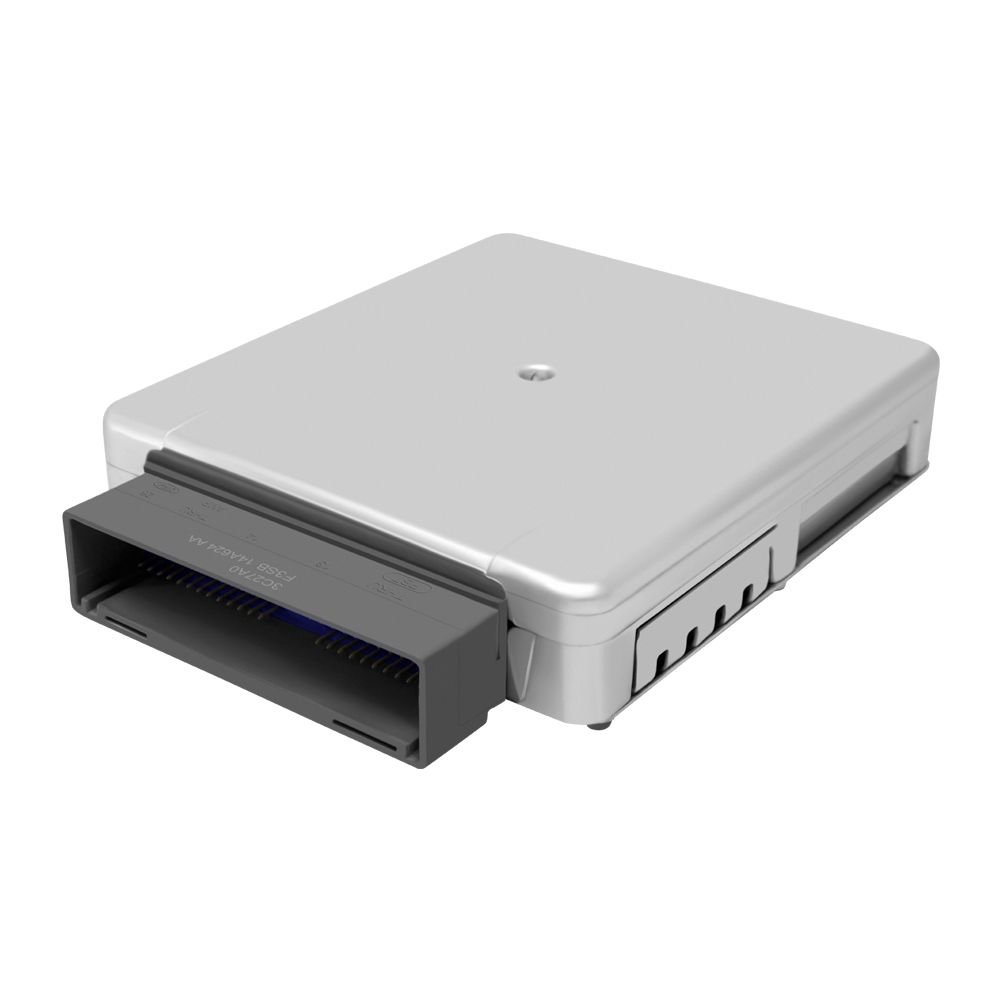
Flagship One stocks a refurbished, VIN-programmed PCM for the 1999 Mazda 626 with a lifetime warranty, free shipping and no core charge. The full Mazda 626 module lineup covers other engine configurations as well.
The 1999 Mazda 626 relies on its Powertrain Control Module to keep the engine running smoothly. A failing PCM can lead to stalling, misfires, or a flashing check‑engine light. By understanding the symptoms, following the proper replacement procedure, and protecting the unit from static damage, you can keep your vehicle running efficiently. Consider a refurbished PCM to regain factory performance quickly.