
Last updated on August 25th, 2026 at 02:01 pm
The powertrain control module (PCM) in your 1996 Mazda 626 manages engine and transmission functions by processing sensor data. Failure may cause erratic performance, stalling, or diagnostic trouble codes, often triggered by voltage spikes or corrosion.
If your 1996 Mazda 626 has been stalling unexpectedly, refusing to start, or throwing a check-engine light, the powertrain control module (PCM) may be the culprit. This small but critical computer manages everything from fuel delivery to transmission shifts, and when it fails, your vehicle’s performance can suffer in noticeable ways. Replacing the PCM isn’t just about swapping a part—it involves careful installation and, in many cases, a relearn procedure to ensure the new module communicates properly with the rest of the vehicle’s systems. Understanding the role of the PCM, the symptoms of failure, and the steps involved in replacement can help you make informed decisions about repairs. Whether you’re dealing with a sudden no-start condition or intermittent drivability issues, knowing what to expect can save you time and frustration. This guide covers the essentials of PCM replacement for your 1996 Mazda 626, including labor times, programming requirements, and common trouble codes associated with module failure.
The powertrain control module (PCM) in your 1996 Mazda 626 serves as the brain of the engine and transmission, coordinating critical functions to ensure smooth operation. It processes data from sensors monitoring engine speed, air intake, throttle position, and exhaust composition to adjust fuel injection, ignition timing, and transmission shifts in real time. Without a properly functioning PCM, your vehicle may experience poor fuel economy, rough idling, or even complete failure to start. The module also plays a key role in emissions control, helping the 626 meet regulatory standards by managing the catalytic converter and oxygen sensors. When the PCM begins to fail, symptoms often start subtly—such as occasional stalling or hesitation—before escalating to more severe issues like persistent check-engine lights or transmission shifting problems. Replacing the module with replacement engine computers for the 626 ensures compatibility and restores reliable performance, but it’s important to understand that installation isn’t as simple as plugging in a new unit. The PCM must be properly calibrated to your vehicle’s specific configuration, which is why many owners opt for pre-programmed units to avoid additional steps after installation.
1996 Mazda 626
OEM programmed ECM for your 1996 Mazda 626 — plug & play, no dealer visit.
Free shipping · Lifetime warranty
The PCM in your 1996 Mazda 626 is typically located in the engine bay, mounted near the firewall or inner fender for protection from heat and moisture. Accessing the module involves removing a protective cover or bracket, which may require basic hand tools like a socket wrench or screwdriver. Once exposed, the PCM is secured with a connector that must be carefully disconnected to avoid damaging the pins. Replacement follows the reverse process: installing the new module, reconnecting the wiring harness, and securing it in place. Labor estimates for this procedure are approximately 0.8 hours for removal and reinstallation. While the physical swap is straightforward, proper handling is critical—static electricity or bent connector pins can cause immediate or delayed issues. After installation, the module may require a relearn procedure, which adds another 0.5 hours of labor to ensure all systems recognize the new unit.
| Operation | Configuration | Book Time |
|---|---|---|
| Powertrain Control Module R&R | All configurations | 0.8 hr |
| Powertrain Control Module Relearn | All configurations | 0.5 hr |
| Engine Control Module R&R | All configurations | 0.8 hr |
| Engine Control Module Relearn | All configurations | 0.5 hr |
After replacing the PCM in your 1996 Mazda 626, the vehicle often requires a relearn procedure to synchronize the new module with the engine and transmission systems. This step, which typically takes 0.5 hours, ensures that fuel trim values, idle settings, and shift points are recalibrated to match your specific vehicle. Without this procedure, you may experience poor drivability, such as rough idling or erratic shifting. However, if you install a VIN-programmed replacement unit, these steps are already completed at the factory, saving you time and potential frustration. The pre-programmed module arrives ready to communicate with your 626’s existing systems, reducing the risk of post-installation issues. While some shops may still perform a quick scan to confirm proper operation, the need for a full relearn is eliminated, allowing you to get back on the road faster.
When the PCM in your 1996 Mazda 626 begins to fail, symptoms can range from subtle to severe, often mimicking other mechanical or electrical issues. One of the most common signs is a no-start condition, where the engine cranks but refuses to fire, as the PCM may fail to send the correct signals to the fuel injectors or ignition system. Stalling or rough idling is another frequent complaint, particularly when the module struggles to maintain consistent fuel delivery or ignition timing. You may also notice poor acceleration or hesitation under load, as the PCM’s ability to adjust air-fuel ratios in real time becomes compromised. Check-engine lights are a near-certainty, with codes like warm-up catalyst efficiency below threshold often appearing due to the PCM’s role in emissions monitoring. Other potential symptoms include transmission shifting problems, such as delayed or harsh gear changes, as the PCM also controls shift points and torque converter lockup. In some cases, the vehicle may enter a “limp mode,” where performance is intentionally limited to prevent further damage. If your scan tool fails to communicate with the PCM at all, the module itself may be completely unresponsive, requiring immediate replacement.
Mazda issued several service bulletins addressing PCM-related issues in the 1996 626. Bulletin F005/98 covers instances where the check-engine light illuminates with diagnostic trouble code P0421, indicating a potential issue with the warm-up catalyst efficiency. Another bulletin, F015/98, addresses check-engine lights accompanied by code P1407, which may point to problems with the exhaust gas recirculation (EGR) system or related PCM monitoring. These bulletins often outline diagnostic steps to determine whether the PCM, sensors, or wiring are at fault. While the bulletins don’t always mandate PCM replacement, they highlight common failure points that may require attention during repairs.
| Bulletin | Subject | What It Addresses |
|---|---|---|
| — | Mazda Tips: Remanufactured Ecu Numbering Change | — |
| — | F005/98 MIL Illumination With DTC P0421 | — |
| — | F015/98 1996 97 626 MIL Illumination W/DTC P1407 | — |
Intermittent stalling in your 626 may stem from a failing PCM, particularly if the module struggles to maintain consistent fuel delivery or ignition timing. Other potential causes include faulty sensors or wiring issues, but if the stalling occurs alongside check-engine lights or erratic idling, the PCM is a likely suspect. A diagnostic scan can help pinpoint the exact issue.
Replacement is typically necessary if the PCM is unresponsive, fails to communicate with a scan tool, or shows signs of internal damage like corrosion or burned circuits. Reprogramming may resolve issues caused by software glitches, but physical failures require a new module. A professional diagnostic can determine the best course of action.
In your 626, the terms PCM (powertrain control module) and ECM (engine control module) are often used interchangeably, but the PCM typically refers to the combined unit that controls both engine and transmission functions. The ECM, if referenced separately, may focus solely on engine management, though in this vehicle, the PCM handles both roles.
Yes, the PCM in your 626 plays a key role in managing transmission shift points and torque converter lockup. If the module fails, you may experience delayed, harsh, or erratic shifting, as the PCM can no longer properly coordinate signals between the engine and transmission. A diagnostic scan can confirm whether the PCM is the source of the issue.
Driving with a failing PCM can be risky, as the vehicle may stall unexpectedly, lose power, or enter a limp mode that severely limits performance. Additionally, a faulty PCM may cause the engine to run too rich or too lean, potentially damaging other components like the catalytic converter. If you suspect PCM issues, it’s best to address them promptly.
If your 1996 Mazda 626 is showing signs of PCM failure, you have options beyond costly dealership repairs. A remanufactured replacement unit can restore reliable performance without the wait or expense of a new module. Since the 626’s PCM requires proper programming to function correctly, choosing a pre-programmed unit eliminates the need for additional shop time and ensures a smooth installation. Whether you’re dealing with a no-start condition or persistent check-engine lights, understanding your repair options can help you make the best choice for your vehicle’s needs.
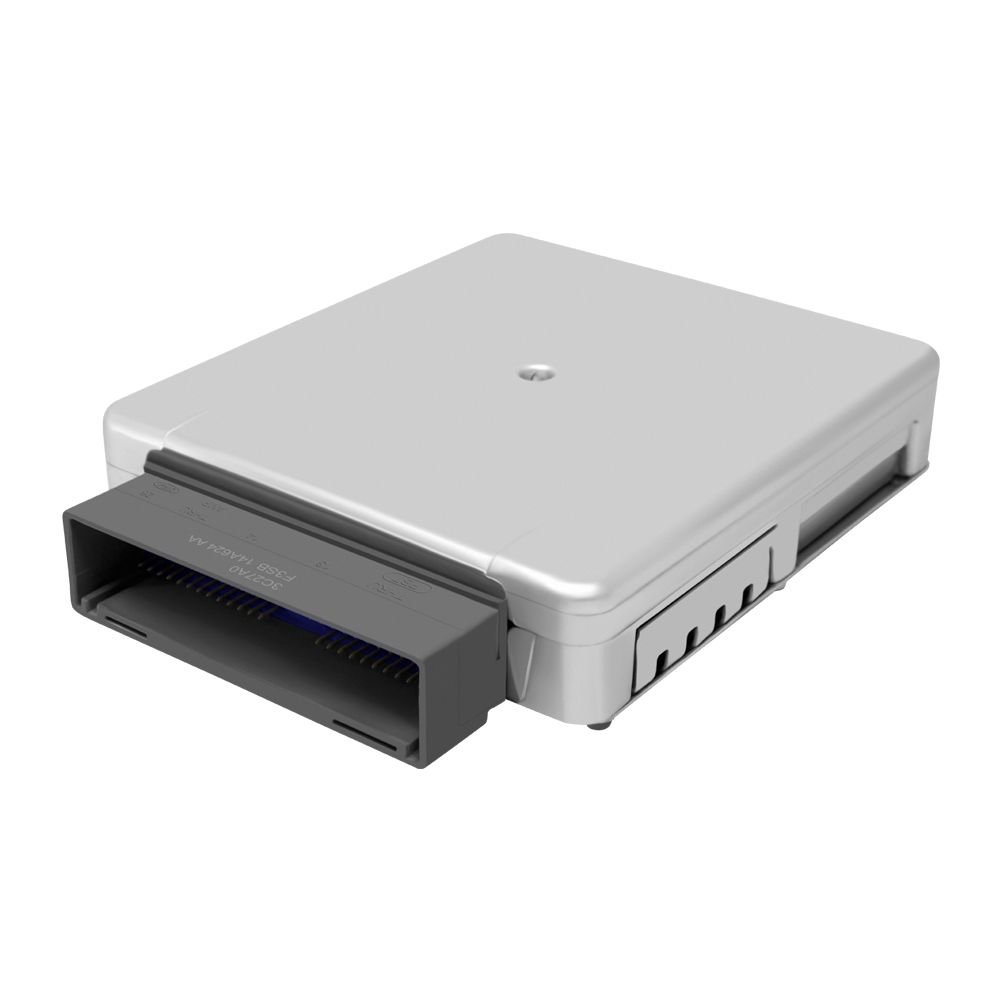
Flagship One stocks a refurbished, VIN-programmed PCM for the 1996 Mazda 626 with a lifetime warranty, free shipping and no core charge. The full Mazda 626 module lineup covers other engine configurations as well.
The PCM in your 1996 Mazda 626 is a critical component that ensures smooth engine and transmission operation. When it fails, symptoms like stalling, no-start conditions, or check-engine lights can disrupt your daily driving. Replacing the module with a properly programmed unit can restore performance and reliability, but it’s important to address the issue promptly to avoid further complications. Whether you opt for a remanufactured unit or a new replacement, understanding the process and requirements can help you make an informed decision for your 626.