
Last updated on August 25th, 2026 at 02:01 pm
The powertrain control module in the 1994 Mazda B3000 is the central computer that manages fuel delivery, ignition timing, and emission controls for the 3.0L engine. When it fails, the engine may crank without starting, stall unexpectedly, or run with noticeable performance problems that cannot be traced to mechanical faults.
When a 1994 Mazda B3000 pickup develops hard-start or no-start symptoms, the focus often shifts to the usual suspects: fuel pressure, ignition components, or wiring faults. Yet one critical component that can silently cause these issues is the engine control module itself. This computer, mounted inside the cab, orchestrates nearly every aspect of engine operation. If it begins to fail, the symptoms can mimic other problems, leading to unnecessary parts replacement and frustration. Understanding what the PCM does, where it is located, and how to address a failure can save you time and get your truck back on the road with confidence. This guide explains the module’s role in your 1994 Mazda B3000, details its interior mounting position, and walks through what a proper replacement involves. You will learn to recognize the signs of a failing unit, what the factory programming procedure requires, and how a pre-programmed replacement can simplify the repair. The information is tailored to the 3.0L engine and the specific mounting location used in this model year, so you can approach the job with a clear plan.
1994 Mazda B3000
OEM programmed ECM for your 1994 Mazda B3000 — plug & play, no dealer visit.
Free shipping · Lifetime warranty
The powertrain control module in the 1994 Mazda B3000 is the electronic brain that governs the 3.0L engine’s air-fuel mixture, ignition timing, idle speed, and emission control functions. It receives signals from sensors such as the throttle position sensor, coolant temperature sensor, and oxygen sensor, then uses preloaded calibration data to command the fuel injectors, ignition coil, and other actuators. Because the B3000 was built during a transitional era before full OBD-II standardization, the module relies on manufacturer-specific diagnostic protocols rather than generic P-codes. This means that a failing module may not always trigger a check engine light, but it can still cause hard starts, rough running, or a complete no-start. The module’s internal circuitry can degrade over time from heat cycles, vibration, or moisture intrusion, leading to intermittent or permanent faults. When the module stops processing sensor inputs correctly, the engine may flood, run lean, or refuse to fire at all. A faulty unit can also disrupt communication with a scan tool, making it difficult to retrieve trouble codes or view live data. For the 1994 B3000, the module is a model-specific component that must match the vehicle’s calibration to ensure proper operation. Using a replacement engine computer for the Mazda B3000 that is not correctly programmed can result in poor performance, failed emissions tests, or a no-start condition.
The engine control module in the 1994 Mazda B3000 is located inside the passenger compartment, under the dashboard on the front right side. To access it, you will need to work from the passenger footwell area, removing any lower trim panels or kick panels that may obstruct the view. The module is typically secured with a bracket and a few fasteners. Once the fasteners are removed, the module can be carefully pulled down to disconnect the electrical harness connectors. Replacement involves transferring any mounting hardware to the new unit, reconnecting the harness, and securing the module back in its original position. No special tools are required beyond basic hand tools, but working in the confined footwell space can be challenging. Take care not to force the connectors, as the pins can bend easily. After installation, the replacement module must be initialized according to the factory procedure, which involves a security relearn and idle adaptation process.
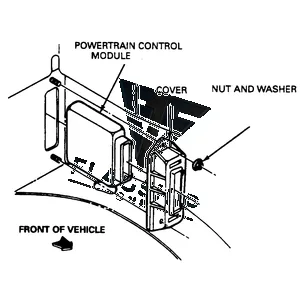
Work with the ignition off, and treat the module as static-sensitive: avoid touching the connector pins at any point.
After installing a replacement PCM in a 1994 Mazda B3000, the factory procedure requires a security relearn sequence to synchronize the module with the vehicle’s immobilizer system, followed by an idle relearn to establish correct base idle speed and throttle position parameters. This typically involves cycling the ignition key in a specific pattern and allowing the engine to run for a set period under controlled conditions. If these steps are not performed correctly, the engine may not start or could exhibit unstable idle and stalling. When you obtain a VIN-programmed replacement unit from Flagship One, the module arrives with the vehicle’s calibration, VIN, and immobilizer data already loaded. This means the security relearn and idle adaptation are completed before the module is shipped, so you can install it and start the engine without additional dealer-level programming. The unit is ready to operate as soon as it is connected, saving you the time and complexity of the factory procedure.
A failing PCM in a 1994 Mazda B3000 can produce a range of symptoms that are often mistaken for other problems. The engine may crank but refuse to start, or it may start and then stall after a few seconds. Intermittent stalling while driving, especially when coming to a stop, is another common sign. You might notice rough idling, hesitation on acceleration, or a sudden loss of power. Because the module controls fuel delivery and ignition timing, a malfunction can cause the engine to run excessively rich or lean, leading to poor fuel economy and potential damage to the catalytic converter. In some cases, the check engine light may illuminate, but on this pre-OBD-II vehicle, the light does not always activate even when the module is failing. A dead scan-tool connection—where a diagnostic tool cannot communicate with the vehicle—is a strong indicator of a module problem. You may also experience shifting irregularities if the module’s failure affects torque converter lockup or transmission control. These symptoms can appear suddenly or develop gradually, and they often worsen as the module heats up during normal driving. When multiple, seemingly unrelated issues arise without a clear mechanical cause, the PCM should be considered a likely suspect.
Common signs include a no-start condition where the engine cranks but does not fire, intermittent stalling, and a lack of communication with a diagnostic scan tool. You may also notice rough running, poor fuel economy, or shifting problems that cannot be traced to other components. If multiple symptoms appear without a clear mechanical cause, the PCM is a likely suspect.
The PCM is mounted inside the vehicle, under the dashboard on the front right (passenger) side. You will need to remove the lower trim panel in the passenger footwell to access it. The module is secured with a bracket and can be unbolted to disconnect the wiring harness.
Yes, the factory procedure requires a security relearn and idle adaptation after installing a new module. However, a pre-programmed unit from Flagship One arrives with the VIN and calibration already loaded, so those steps are completed before shipping. You can install it and start the engine without additional programming.
Used modules may not work correctly because they contain the previous vehicle’s VIN and calibration data. Even if the part number matches, the immobilizer and engine parameters can cause a no-start or poor performance. A refurbished unit that is properly programmed to your VIN is a more reliable solution.
First, verify that the battery is fully charged and the charging system is working correctly. Inspect all PCM-related fuses and relays, and check the wiring harness for damaged or corroded pins. Ensure the ground connections near the module are clean and tight. If those items are in good condition and the symptoms persist, the PCM may be at fault.
When the engine control module in a 1994 Mazda B3000 fails, you have two main paths: source a new unit from the dealer and arrange for programming, or choose a refurbished, pre-programmed replacement that arrives ready to install. A dealer-supplied module often comes blank and requires a visit to the service department for initialization, which adds time and expense. A refurbished unit that is programmed specifically for your VIN eliminates that step, letting you complete the repair in your own garage. For a vehicle of this age, a quality refurbished module can be a practical way to restore reliability without the cost and complexity of dealer programming.
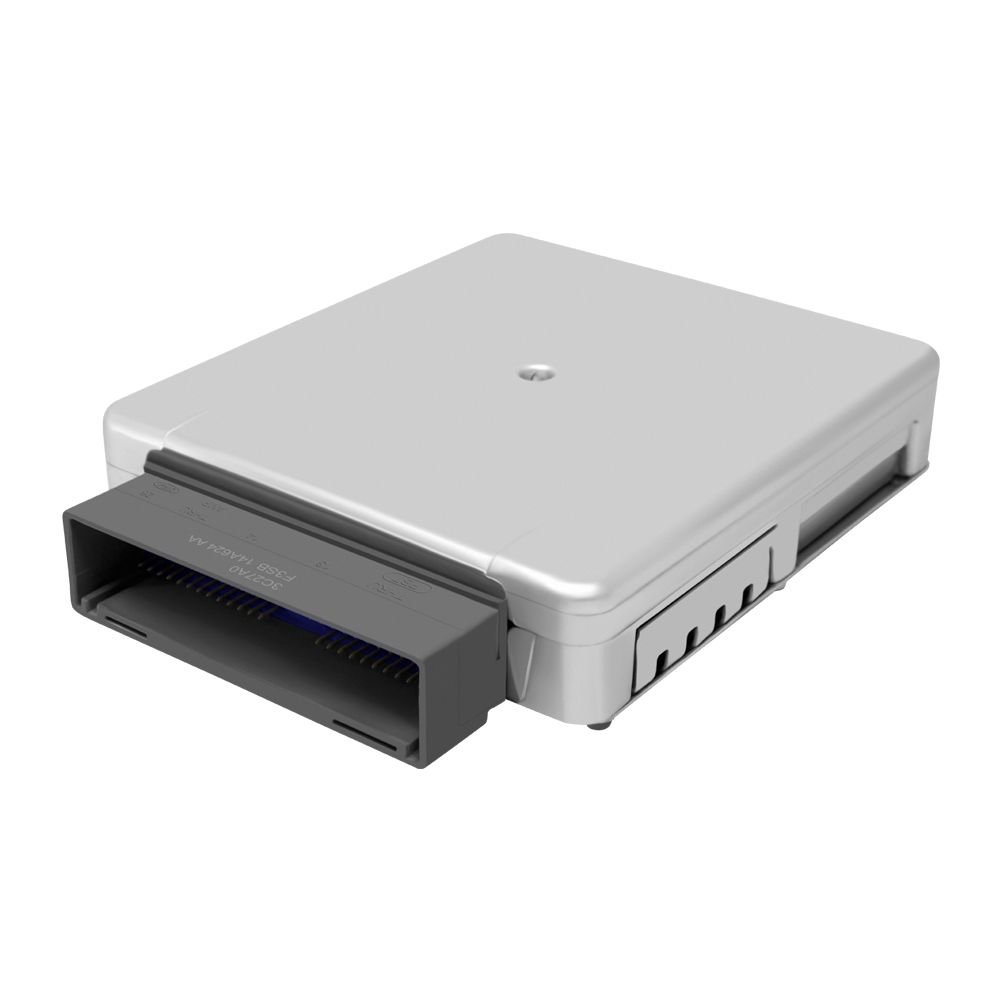
Flagship One stocks a refurbished, VIN-programmed ECM for the 1994 Mazda B3000 with a lifetime warranty, free shipping and no core charge. The full Mazda B3000 module lineup covers other engine configurations as well.
A failing PCM in a 1994 Mazda B3000 can bring your truck to a standstill, but identifying the problem and replacing the module does not have to be a drawn-out ordeal. With the computer located under the passenger-side dash, access is straightforward once you know where to look. The key to a successful repair is a properly programmed replacement that matches your vehicle’s calibration. By choosing a unit that arrives pre-loaded with the correct VIN and immobilizer data, you can skip the factory relearn procedures and get your B3000 back on the road quickly. Take the time to inspect the basics first, and when the module is confirmed faulty, a direct-fit replacement will restore the engine’s performance and dependability.