
Last updated on August 25th, 2026 at 02:15 pm
The powertrain control module (PCM) in your 1995 Honda Prelude manages fuel delivery, ignition timing, and emissions systems. When it fails, you may experience hard starting, rough idling, or complete engine shutdowns. This early OBD-I computer relies on analog inputs, making it sensitive to voltage spikes and corrosion.
If your 1995 Honda Prelude has started acting unpredictably—stalling at stoplights, refusing to start, or running rough—you might be dealing with a failing powertrain control module (PCM). This small but critical computer sits between your engine’s sensors and the systems that keep it running smoothly. Unlike modern vehicles with self-diagnosing computers, the Prelude’s early OBD-I system relies on simpler electronics that can degrade over time. Understanding how this module works, where it’s located, and what replacement involves can help you make informed decisions when symptoms appear. You’ll learn what the PCM actually does, why it fails, and how to avoid common pitfalls during replacement. With the right approach, you can restore reliable performance without unnecessary delays or complications.
In your 1995 Honda Prelude, the powertrain control module acts as the brain for both the engine and transmission. It constantly monitors inputs from sensors like the throttle position, oxygen, and coolant temperature to adjust fuel mixture, ignition timing, and idle speed. This ensures the 2.3L engine runs efficiently while meeting emissions standards of the era. The PCM also controls the automatic transmission’s shift points, adapting to driving conditions in real time. When it malfunctions, you may notice hesitation during acceleration, erratic shifting, or even a complete loss of power. Because the Prelude’s system lacks the redundancy of newer vehicles, a failing PCM often leaves you stranded. Replacement isn’t just about swapping hardware—it’s about restoring the precise communication between replacement engine computers for the Prelude and the vehicle’s sensors. Without proper calibration, even a new module may not solve the problem, which is why pre-programmed units are often the most reliable solution.
1995 Honda Prelude
OEM programmed ECM for your 1995 Honda Prelude — plug & play, no dealer visit.
Free shipping · Lifetime warranty
The powertrain control module in your 1995 Honda Prelude is mounted inside the passenger cabin, behind the dashboard on the right side. To access it, you’ll need to remove the lower dashboard panel, which typically involves unscrewing a few fasteners and gently pulling the panel away from the firewall. Once exposed, the PCM is secured with a single bolt and connected via a multi-pin harness. Disconnecting the battery before removal is recommended to prevent electrical shorts. The labor guide estimates 0.6 hours for removal and reinstallation of the module itself. If you’re replacing the engine control module (ECM) separately, that process takes 0.5 hours and may require additional steps, depending on whether the units share connectors. Torque specifications for the mounting bolt aren’t provided in standard guides, but snugging it firmly without overtightening is advisable to avoid damaging the module’s housing.
| Operation | Configuration | Book Time |
|---|---|---|
| Powertrain Control Module R&R | All configurations | 0.6 hr |
| Powertrain Control Module Relearn | All configurations | 0.5 hr |
| Engine Control Module Relearn | All configurations | 0.5 hr |
| Engine Control Module R&R | All configurations | 0.5 hr |
After installing a new powertrain control module in your 1995 Honda Prelude, the factory procedure requires a relearn process to synchronize the module with the vehicle’s sensors and transmission. This typically involves a 0.5-hour procedure where the technician cycles the ignition, allows the module to adapt to idle conditions, and may even drive the vehicle to complete the calibration. However, if you opt for a VIN-programmed replacement unit, these steps are already completed at the supplier. The module arrives pre-configured to match your Prelude’s specific engine and transmission setup, eliminating the need for manual relearning. This not only saves time but also reduces the risk of incorrect calibration, which can lead to poor performance or even damage to other components. While some aftermarket modules may require additional programming tools, a properly matched unit should plug in and function immediately, allowing you to focus on verifying the repair rather than troubleshooting setup issues.
A failing powertrain control module in your 1995 Honda Prelude can produce a range of symptoms, some subtle and others impossible to ignore. You might first notice the engine idling roughly or surging unexpectedly, especially when coming to a stop. Stalling is common, often occurring at low speeds or when the engine is warm. Some owners report the vehicle cranking but not starting, as if the fuel pump or ignition system has failed, when the issue actually lies with the PCM’s inability to send the correct signals. Transmission shifting may also become erratic, with delayed or harsh gear changes. In some cases, the check engine light may illuminate, though early OBD-I systems like the Prelude’s don’t always trigger a code for PCM failures. If the module’s internal memory is corrupted, you may experience intermittent electrical gremlins, such as the radio cutting out or dashboard lights flickering. These symptoms often worsen over time, so addressing them early can prevent more serious issues, like fuel system damage or catalytic converter failure.
Honda issued a service bulletin addressing electrical issues in the 1995 Prelude that could affect the powertrain control module. The bulletin notes that accessory wiring near the fuse box may cause damage to the ECU connector terminals if not properly routed or secured. Over time, this can lead to corrosion or poor connections, resulting in intermittent or permanent module failures. The recommended repair involves inspecting the wiring harness for chafing, ensuring all terminals are clean and properly seated, and replacing any damaged connectors. While this bulletin doesn’t specify a failure rate, it highlights the importance of maintaining the vehicle’s electrical system to prevent avoidable PCM issues.
| Bulletin | Subject | What It Addresses |
|---|---|---|
| — | Accessory Wiring May Ruin Fuse Box • ECU Connector Terminal Removal | — |
Driving with a failing PCM is risky. While the vehicle may start and run intermittently, it can stall unexpectedly or refuse to restart. Prolonged use may also damage other components, like the catalytic converter or fuel injectors, due to incorrect fuel mixtures or ignition timing.
Sensor issues often trigger specific symptoms, like a single misfire or rough idle, while a failing PCM tends to cause multiple, seemingly unrelated problems. If you’ve replaced sensors without improvement, or if the vehicle exhibits erratic behavior across different systems, the PCM is a likely culprit.
A used PCM may work temporarily, but it’s not recommended. The module’s internal memory adapts to the original vehicle’s engine and transmission over time, and swapping it into another Prelude may cause drivability issues. Additionally, used modules carry the risk of hidden faults or wear.
The PCM controls the idle air control valve and ignition timing. When it malfunctions, it may send incorrect signals to these systems, causing the engine to stall at low speeds or when coming to a stop. This is especially common in warm conditions, where the module’s circuits are more prone to heat-related failures.
Basic testing can be done by checking for power and ground at the PCM’s connectors, but this won’t confirm internal faults. A multimeter can verify voltage, but diagnosing a failing PCM typically requires a scan tool capable of reading early Honda OBD-I codes or observing live data from the module’s outputs.
If your 1995 Honda Prelude is showing signs of PCM failure, you have options beyond costly dealership repairs. A refurbished or new replacement module can restore reliable performance, especially if it arrives pre-programmed to your vehicle’s VIN. This eliminates the need for time-consuming relearn procedures and reduces the risk of incorrect calibration. Whether you’re tackling the job yourself or working with a mechanic, choosing the right module ensures a smoother repair process and long-term reliability.
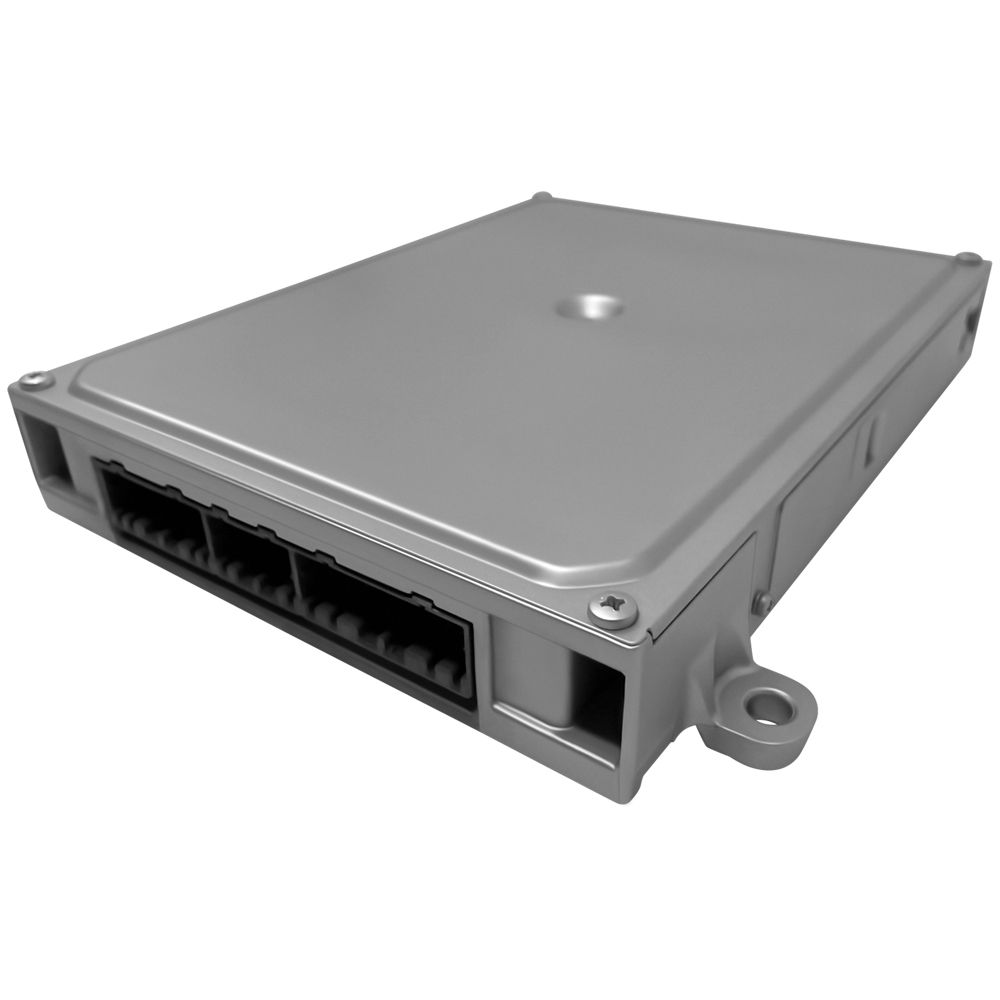
Flagship One stocks a refurbished, VIN-programmed PCM for the 1995 Honda Prelude with a lifetime warranty, free shipping and no core charge. The full Honda Prelude module lineup covers other engine configurations as well.
The powertrain control module in your 1995 Honda Prelude plays a critical role in keeping the engine and transmission working together smoothly. When it fails, the symptoms can range from frustrating to downright dangerous, making timely replacement essential. By understanding how the module functions, where it’s located, and what to expect during installation, you can approach the repair with confidence. Whether you opt for a new or refurbished unit, ensuring it’s properly programmed to your vehicle will save you time and hassle. With the right care, your Prelude can continue running reliably for years to come.