
Last updated on August 25th, 2026 at 02:15 pm
The powertrain control module (PCM) or engine control module (ECM) in your 1994 Honda Prelude manages fuel delivery, ignition timing, and emissions systems. Failure may cause hard starting, stalling, or poor drivability without clear warning signs.
If your 1994 Honda Prelude is experiencing unexplained stalling, hard starts, or erratic engine performance, the powertrain control module (PCM) or engine control module (ECM) may be the culprit. This small but critical computer manages fuel delivery, ignition timing, and emissions systems, ensuring smooth operation. Replacing it involves straightforward labor, but proper installation and programming are key to restoring reliable performance. Understanding the module’s role, location, and common failure symptoms can help you diagnose issues efficiently and avoid unnecessary repairs.
1994 Honda Prelude
OEM programmed ECM for your 1994 Honda Prelude — plug & play, no dealer visit.
Free shipping · Lifetime warranty
In your 1994 Honda Prelude, the PCM/ECM acts as the brain of the engine, processing data from sensors to optimize fuel mixture, ignition timing, and idle speed. Without it, the engine may run poorly or fail to start. Over time, heat, vibration, or electrical issues can degrade its performance, leading to drivability problems. When replacement becomes necessary, choosing replacement engine computers for the Prelude ensures compatibility and proper function, as these units are designed to match the vehicle’s original specifications.
The PCM/ECM in your 1994 Honda Prelude is typically located behind the dashboard or under the passenger-side kick panel, depending on the vehicle’s configuration. Replacing it involves disconnecting the battery, removing the module’s electrical connector, and unbolting the unit from its mount. The labor time for removal and reinstallation is approximately 0.5 to 0.6 hours, according to factory estimates. After installation, the module must undergo a relearn procedure to synchronize with the vehicle’s systems, which adds another 0.5 hours of labor.
| Operation | Configuration | Book Time |
|---|---|---|
| Powertrain Control Module R&R | All configurations | 0.6 hr |
| Powertrain Control Module Relearn | All configurations | 0.5 hr |
| Engine Control Module Relearn | All configurations | 0.5 hr |
| Engine Control Module R&R | All configurations | 0.5 hr |
After installing a new PCM/ECM in your 1994 Honda Prelude, the factory procedure requires a relearn process to ensure proper communication with the engine and transmission. This step typically takes about 0.5 hours and involves resetting the module’s adaptive memory. However, a VIN-programmed replacement unit from Flagship One arrives pre-configured to your vehicle’s specifications, eliminating the need for manual programming and reducing downtime during repairs.
A failing PCM/ECM in your 1994 Honda Prelude may cause a range of symptoms, including intermittent stalling, hard starting, or rough idle. You might also notice poor fuel economy, misfires, or the engine running too rich or too lean. In some cases, the vehicle may fail to communicate with a scan tool, making diagnosis more challenging. If the module’s internal memory is corrupted, it could trigger a fault like internal control module memory check sum error, though pre-OBD-II vehicles may not display codes as clearly as newer models.
Factory service bulletins for the 1994 Honda Prelude note that accessory wiring may damage the fuse box or the ECU connector terminals. If you’re experiencing electrical issues, inspecting the wiring and connectors for corrosion or loose connections is recommended. Addressing these problems early can prevent further damage to the module or related components.
| Bulletin | Subject | What It Addresses |
|---|---|---|
| — | Accessory Wiring May Ruin Fuse Box • ECU Connector Terminal Removal | — |
Common signs include hard starting, stalling, rough idle, or poor fuel economy. The vehicle may also fail to communicate with a scan tool. Since the Prelude is pre-OBD-II, symptoms may appear without clear trouble codes, making diagnosis more reliant on physical inspection and testing.
Replacement is straightforward if you’re comfortable with basic automotive electrical work. The module is typically located behind the dashboard or under the kick panel. However, a relearn procedure is required afterward, which may necessitate a scan tool or professional assistance.
The relearn process resets the module’s adaptive memory, allowing it to recalibrate to the engine’s current condition. This ensures proper fuel delivery, ignition timing, and idle control. Skipping this step may result in poor performance or drivability issues.
If your 1994 Honda Prelude is showing signs of a failing PCM/ECM, you have options. A repair shop can diagnose and replace the module, but labor and programming costs can add up. Alternatively, a pre-programmed replacement unit simplifies the process, ensuring compatibility and reducing downtime. Consider your budget and timeline when deciding the best approach for your vehicle.
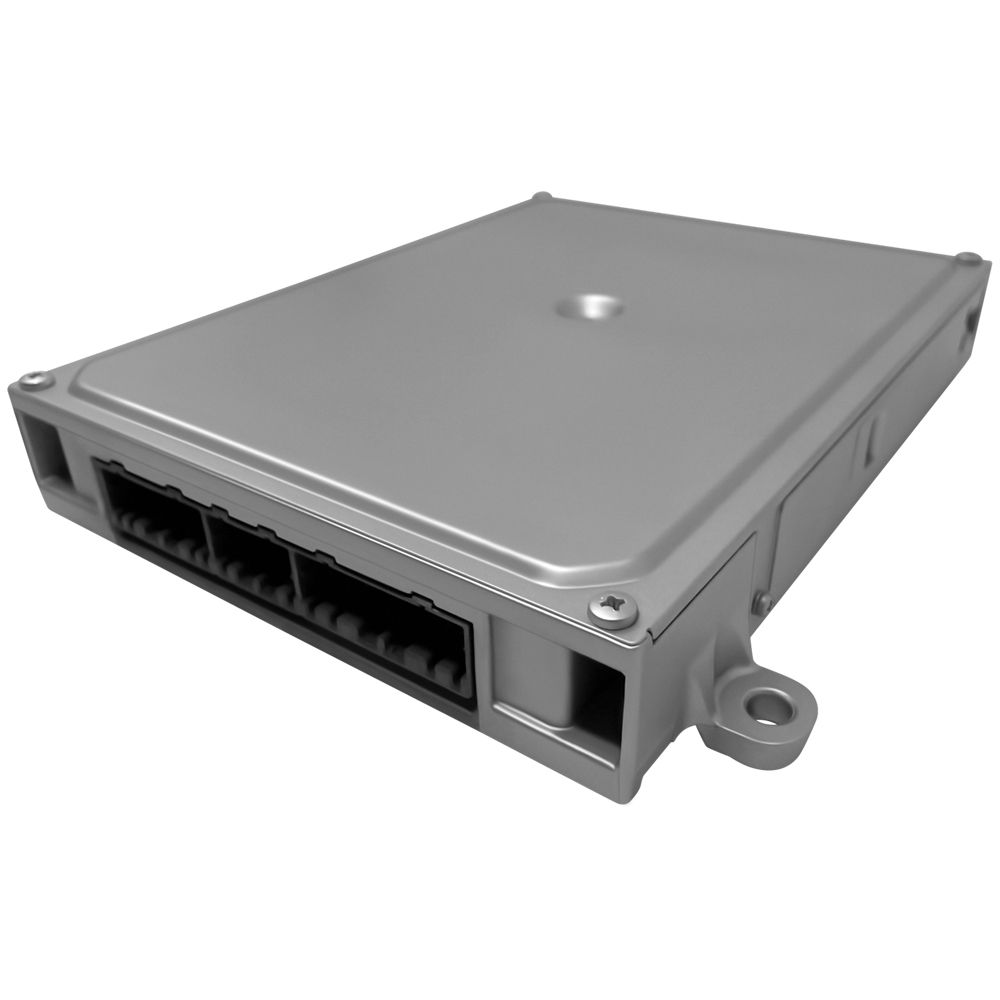
Flagship One stocks a refurbished, VIN-programmed PCM for the 1994 Honda Prelude with a lifetime warranty, free shipping and no core charge. The full Honda Prelude module lineup covers other engine configurations as well.
The PCM/ECM in your 1994 Honda Prelude plays a vital role in engine performance and drivability. If you’re experiencing symptoms like stalling or hard starts, addressing the issue promptly can restore reliability. Whether you opt for a repair or a pre-programmed replacement, understanding the process helps you make an informed decision for your vehicle.