
Last updated on August 25th, 2026 at 01:40 pm
In the 1993 Ford Thunderbird the Powertrain Control Module (PCM) and Engine Control Module (ECM) manage fuel delivery, ignition timing, and emissions functions. A failure typically disables engine management, leading to no‑start conditions, rough idle, or loss of power, and may also prevent diagnostic communication.
When a 1993 Ford Thunderbird begins to exhibit starting problems, rough running, or loss of power, the engine’s control computers are a logical place to investigate. The vehicle uses separate modules – a Powertrain Control Module for overall powertrain coordination and an Engine Control Module for engine‑specific management. Understanding how these units function, where they reside, and what steps are required after replacement can help you avoid unnecessary downtime. This guide explains the role of each module in this model, outlines the typical labor involved in removal and installation, and describes the factory‑required programming steps that Flagship One units already include, so you can make an informed decision about repair or replacement.
1993 Ford Thunderbird
OEM programmed ECM for your 1993 Ford Thunderbird — plug & play, no dealer visit.
Free shipping · Lifetime warranty
The Powertrain Control Module in the 1993 Ford Thunderbird serves as the central brain that interprets sensor data and commands the transmission, fuel system, and ignition to work together. It also stores calibration data for the supercharged or naturally aspirated engine variants. The Engine Control Module focuses on engine‑only functions such as fuel injection timing, spark advance, and emissions monitoring. Together they ensure smooth acceleration, proper idle, and compliance with emissions standards. Because the Thunderbird predates OBD‑II, these modules rely on proprietary communication protocols rather than standardized diagnostic codes. Maintaining correct operation is essential for reliable performance and to prevent damage to fuel or ignition components. For owners seeking a direct swap, a compatible replacement engine computer 1993 Ford Thunderbird replacement PCM and ECM offers a drop‑in solution without custom wiring.
Both the PCM and ECM are mounted in the engine compartment, typically attached to the firewall or near the intake manifold. Access usually requires removal of a few fasteners and the protective cover that shields the wiring harness. The labor guide lists one hour for PCM removal on naturally aspirated models and 0.8 hours for supercharged versions, reflecting the slightly different mounting hardware. Reinstalling the module follows the same steps in reverse, and a torque specification is not provided in the source data, so standard hand‑tightening to secure the connectors is recommended. After the unit is seated, the factory‑specified relearn procedure adds an extra half hour to complete the installation.
Work with the ignition off, and treat the module as static-sensitive: avoid touching the connector pins at any point.
| Operation | Configuration | Book Time |
|---|---|---|
| Powertrain Control Module R&R | Naturally Aspirated | 1.0 hr |
| Powertrain Control Module R&R | Supercharged | 0.8 hr |
| Powertrain Control Module Relearn | All configurations | 0.5 hr |
| Engine Control Module R&R | Supercharged | 0.8 hr |
| Engine Control Module R&R | Naturally Aspirated | 1.0 hr |
Once the PCM or ECM is physically installed, the factory service manual calls for a module relearn sequence to synchronize the new unit with the vehicle’s sensors and actuators. This process typically involves cycling the ignition, checking sensor inputs, and confirming idle stability. Flagship One replacement units arrive VIN‑programmed, meaning the required calibration data is already loaded, and the relearn step is effectively completed at the factory. Therefore, the only remaining action for the installer is to verify proper connector engagement and run a brief functional check. A VIN‑programmed replacement unit a VIN‑programmed replacement unit eliminates the need for field programming, reducing the chance of errors.
When the PCM or ECM fails in a 1993 Ford Thunderbird, owners often notice a complete no‑start condition, intermittent stalling, or a rough idle that cannot be cleared with a simple reset. Misfire patterns may appear, and the vehicle may run unusually rich or lean, leading to poor fuel economy. Because the car uses a pre‑OBD‑II architecture, diagnostic communication can be lost, preventing scan‑tool access. In some cases, the transmission may shift harshly or remain stuck in one gear, reflecting the PCM’s loss of control over shift timing. A common fault that appears on the factory code list is PCM timing error, which indicates a timing reference problem within the module.
Yes, the PCM is accessible in the engine bay and the labor guide lists about one hour for removal on naturally aspirated models. You will need basic hand tools, the replacement unit, and to follow the post‑install relearn procedure.
The factory procedure requires a relearn step, but Flagship One units are VIN‑programmed, so additional software is not required for most installations.
Typical indicators include a rough idle, frequent stalling, loss of power, and the inability of a scan tool to communicate with the vehicle’s computer system.
Yes, the labor guide shows 0.8 hours for PCM replacement on supercharged models versus one hour for naturally aspirated versions, reflecting the different mounting arrangements.
A refurbished unit that has been tested and reprogrammed to match the vehicle’s VIN can perform equivalently to a new module, provided it passes the post‑install verification steps.
When a PCM or ECM in a 1993 Ford Thunderbird needs attention, you can choose between a factory‑refurbished replacement and a brand‑new unit. Both options restore the vehicle’s engine management functions, but a refurbished module may offer cost savings while still meeting the VIN‑programmed requirements. Evaluate the condition of your existing unit, compare warranties, and select the path that fits your budget and confidence level.
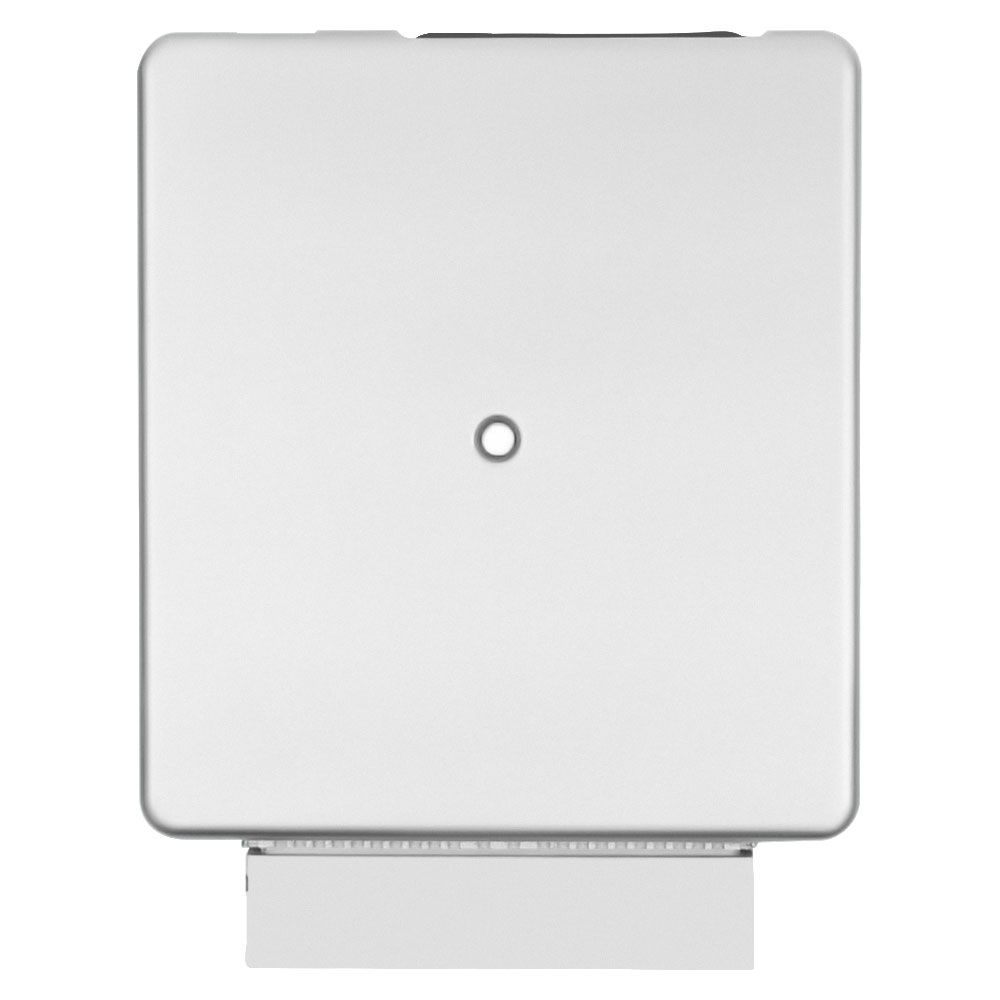
Flagship One stocks a refurbished, VIN-programmed PCM for the 1993 Ford Thunderbird with a lifetime warranty, free shipping and no core charge. The full Ford Thunderbird module lineup covers other engine configurations as well.
Replacing the PCM or ECM in your 1993 Ford Thunderbird can return reliable performance and eliminate common no‑start or rough‑idle issues. Consider a Flagship One unit to simplify the post‑install steps, and enjoy peace of mind knowing the module is matched to your vehicle’s VIN.