
Last updated on August 25th, 2026 at 01:40 pm
In the 1991 Ford Thunderbird, the Powertrain Control Module (PCM) and Engine Control Module (ECM) manage fuel delivery, ignition timing, and emissions functions. When either unit fails, the engine may not start, run rough, or trigger multiple diagnostic codes, reflecting loss of electronic control over critical systems.
When a 1991 Ford Thunderbird begins to exhibit intermittent power loss, strange idle behavior, or a complete no‑start condition, the electronic control modules are often the first suspects. Understanding the role of the Powertrain Control Module and Engine Control Module helps you decide whether a repair or a replacement is appropriate. This guide walks you through what the modules do, where they live, how long a factory‑specified replacement should take, and what programming steps are required, so you can make an informed decision for your vehicle.
The Powertrain Control Module and Engine Control Module in the 1991 Ford Thunderbird act as the vehicle’s central nervous system, interpreting sensor data to regulate fuel injection, ignition timing, and emissions output. These computers also coordinate transmission shift points in models equipped with automatic gearboxes. A malfunction can disrupt engine performance, cause stalling, or generate diagnostic trouble codes. The modules are essential for meeting emissions standards and ensuring smooth operation. Replacement units are often referred to as replacement engine computers for the 1991 Ford Thunderbird and must match the vehicle’s engine configuration to function correctly.
1991 Ford Thunderbird
OEM programmed ECM for your 1991 Ford Thunderbird — plug & play, no dealer visit.
Free shipping · Lifetime warranty
Both the PCM and ECM are mounted within the engine compartment, typically secured to a bracket near the firewall. Access usually involves disconnecting the battery, removing a few bolts, and unplugging the wiring harnesses. The factory labor guide lists a removal and replacement time of 1.1 hours for a naturally aspirated PCM, 0.8 hours for a supercharged PCM, and 1.2 hours for a naturally aspirated ECM. For the 5.0 L ECM, the book time is 1.1 hours. After the unit is bolted in place, the connector pins should be inspected for corrosion before re‑installation.
Work with the ignition off, and treat the module as static-sensitive: avoid touching the connector pins at any point.
| Operation | Configuration | Book Time |
|---|---|---|
| Powertrain Control Module R&R | Naturally Aspirated | 1.1 hr |
| Powertrain Control Module R&R | Supercharged | 0.8 hr |
| Powertrain Control Module Relearn | All configurations | 0.5 hr |
| Engine Control Module R&R | Naturally Aspirated | 1.2 hr |
| Engine Control Module R&R | Supercharged | 0.8 hr |
| Engine Control Module R&R | 5.0L | 1.1 hr |
Once the new module is installed, the factory service procedure calls for a relearn operation that typically takes about 0.5 hours. Flagship One units arrive pre‑programmed to the vehicle identification number, so the VIN‑specific calibration step is already completed. This means the technician only needs to follow the standard relearn routine, reducing shop time and the chance of error. Using a a VIN‑programmed replacement unit simplifies the post‑install process.
Common signs of a failing PCM or ECM in a 1991 Ford Thunderbird include a complete lack of engine cranking, rough idle, unexpected stalling, and a cascade of diagnostic trouble codes. Drivers may also notice erratic transmission shifting or loss of power‑train related warning lights. When the control module cannot communicate with the diagnostic scanner, the code internal controller processing error often appears, indicating a deeper electronic fault.
Technical Service Bulletin #93-12-09 addresses digital electronic odometers and programmable speedometer/odometer modules, describing service replacements that include preset vehicle mileage. This bulletin provides guidance for updating the speedometer module on pre‑OBD‑II vehicles like the 1991 Thunderbird.
| Bulletin | Subject | What It Addresses |
|---|---|---|
| 93-12-09 | DIGITAL ELECTRONIC ODOMETERS – ELECTRONIC INSTRUMENT CLUSTERS, PROGRAMMABLE SPEEDOMETER/ODOMETE | — |
Typical indicators include a no‑start condition, rough idle, and multiple engine‑related trouble codes. If the vehicle also shows erratic transmission behavior, the PCM may be the source.
The ECM is accessible in the engine bay, but the job requires disconnecting the battery, removing mounting bolts, and performing a relearn procedure. If you are comfortable with these steps, a DIY replacement is possible.
When using a Flagship One unit, the VIN is pre‑programmed, so no additional programming tools are required beyond the standard relearn steps outlined by the factory.
When the PCM or ECM in your 1991 Ford Thunderbird fails, you can either have the original unit repaired or install a refurbished replacement. Both approaches restore engine management, but a pre‑programmed replacement often reduces labor time and eliminates the need for complex coding. Consider your budget, the age of the vehicle, and the availability of a reliable replacement when deciding which path to take.
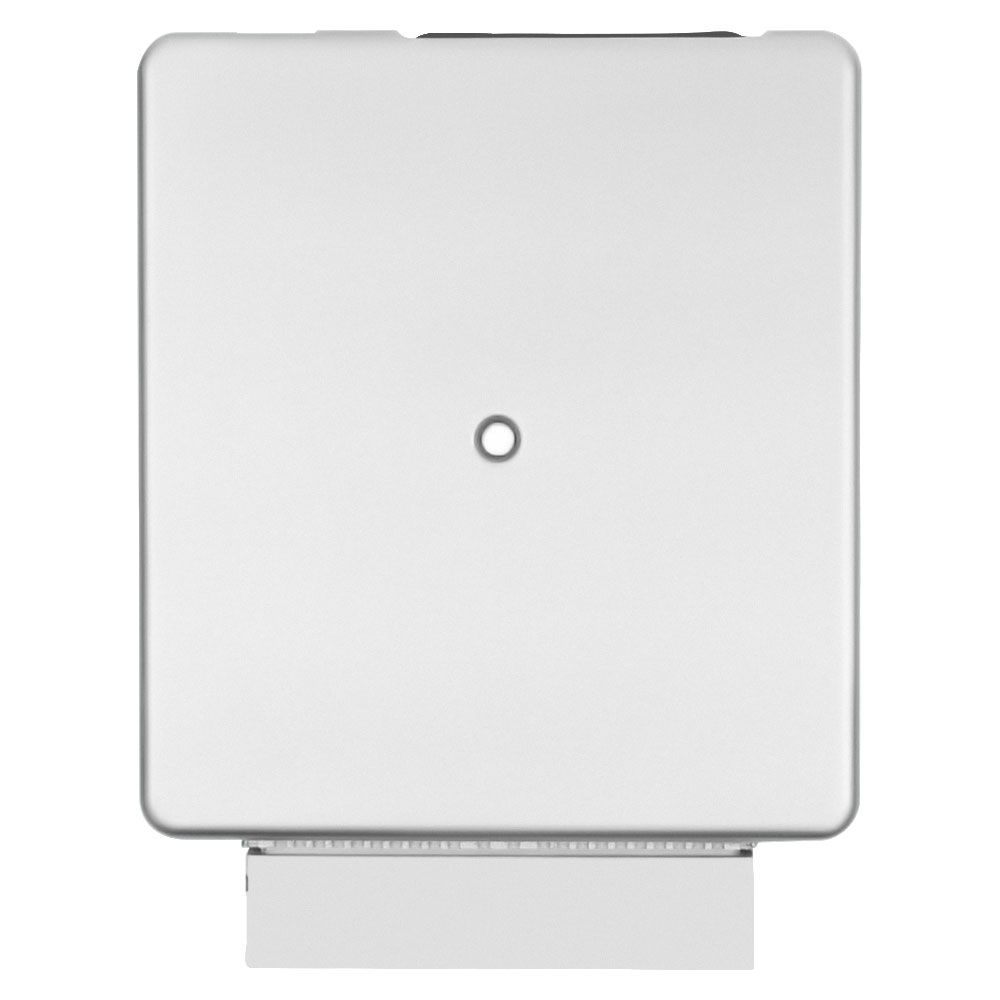
Flagship One stocks a refurbished, VIN-programmed PCM for the 1991 Ford Thunderbird with a lifetime warranty, free shipping and no core charge. The full Ford Thunderbird module lineup covers other engine configurations as well.
A failing PCM or ECM can cripple a 1991 Ford Thunderbird, but understanding the module’s role and the required labor helps you choose the right solution. Whether you opt for repair or a pre‑programmed replacement, addressing the issue promptly will keep your Thunderbird running smoothly.