
Last updated on August 25th, 2026 at 01:41 pm
In the 1990 Ford Thunderbird, the Engine Control Module (ECM) and Powertrain Control Module (PCM) manage fuel delivery, ignition timing, and transmission shifting. A malfunction may cause loss of power, erratic speedometer readings, or complete engine shutdown.
When a 1990 Ford Thunderbird begins to exhibit irregular speedometer data or engine performance issues, the electronic control modules are often the culprits. This guide walks you through what the ECM and PCM do in this vehicle, where they are located, how long a professional shop usually spends on the job, and what steps follow a replacement. By understanding these details, you can make an informed decision about repair or replacement and anticipate the work involved.
The Engine Control Module and Powertrain Control Module in a 1990 Ford Thunderbird act as the brain for the engine and transmission, respectively. They receive sensor inputs, calculate optimal fuel and spark timing, and command actuators to keep the vehicle running smoothly. A failure in either unit can disrupt power delivery, cause shifting problems, or corrupt speedometer data. Proper operation is essential for both performance and emissions compliance. replacement engine computers for the 1990 Ford Thunderbird ensure the vehicle’s electronic systems stay synchronized.
1990 Ford Thunderbird
OEM programmed ECM for your 1990 Ford Thunderbird — plug & play, no dealer visit.
Free shipping · Lifetime warranty
Both the ECM and PCM are mounted within the engine compartment, typically secured to the firewall or near the intake manifold. Removal involves disconnecting the electrical harness, unbolting the unit, and extracting it from its bracket. Replacement follows the reverse order, with torque specifications observed as per the service manual. Labor estimates indicate a naturally aspirated ECM swap takes about 1.2 hours, while a supercharged version may be completed in roughly 0.8 hours. The PCM removal for a naturally aspirated model averages 1.1 hours, with the supercharged variant also near 0.8 hours. After PCM installation, an additional 0.5 hour is allocated for the relearn procedure.
Work with the ignition off, and treat the module as static-sensitive: avoid touching the connector pins at any point.
| Operation | Configuration | Book Time |
|---|---|---|
| Engine Control Module R&R | Naturally Aspirated | 1.2 hr |
| Engine Control Module R&R | Supercharged | 0.8 hr |
| Powertrain Control Module R&R | Naturally Aspirated | 1.1 hr |
| Powertrain Control Module R&R | Supercharged | 0.8 hr |
| Powertrain Control Module Relearn | All configurations | 0.5 hr |
Factory service requires a calibration step after installing a new ECM or PCM to align the module with the vehicle’s VIN and calibration data. Flagship One units arrive already VIN‑programmed, so the usual programming step is effectively completed before installation. a VIN‑programmed replacement unit eliminates the need for on‑site coding, streamlining the repair process.
Typical signs of a failing ECM or PCM in a 1990 Ford Thunderbird include a no‑start condition, intermittent stalling, irregular idle, and loss of speedometer function. You may also notice transmission shifting irregularities or error messages on the instrument cluster. In some cases, the diagnostic scanner may report communication failures with the control module.
Technical Service Bulletin 93-12-09 addresses digital electronic odometers and programmable speedometer/odometer modules. It outlines service replacements that include pre‑set mileage values for the speedometer.
| Bulletin | Subject | What It Addresses |
|---|---|---|
| 93-12-09 | DIGITAL ELECTRONIC ODOMETERS – ELECTRONIC INSTRUMENT CLUSTERS, PROGRAMMABLE SPEEDOMETER/ODOMETE | — |
Shops generally allocate about 1.2 hours of labor for the ECM removal and installation on a naturally aspirated engine.
Yes, after installing a PCM, a relearn step of roughly 0.5 hours is required regardless of engine type.
Bulletin 93-12-09 provides guidance on replacing electronic speedometer modules with pre‑set mileage values.
When the ECM or PCM in your 1990 Ford Thunderbird needs attention, you can choose a new factory‑spec unit or consider a refurbished replacement. Both options restore the vehicle’s electronic control functions, but a refurbished module from Flagship One may offer a cost‑effective solution while still meeting factory specifications.
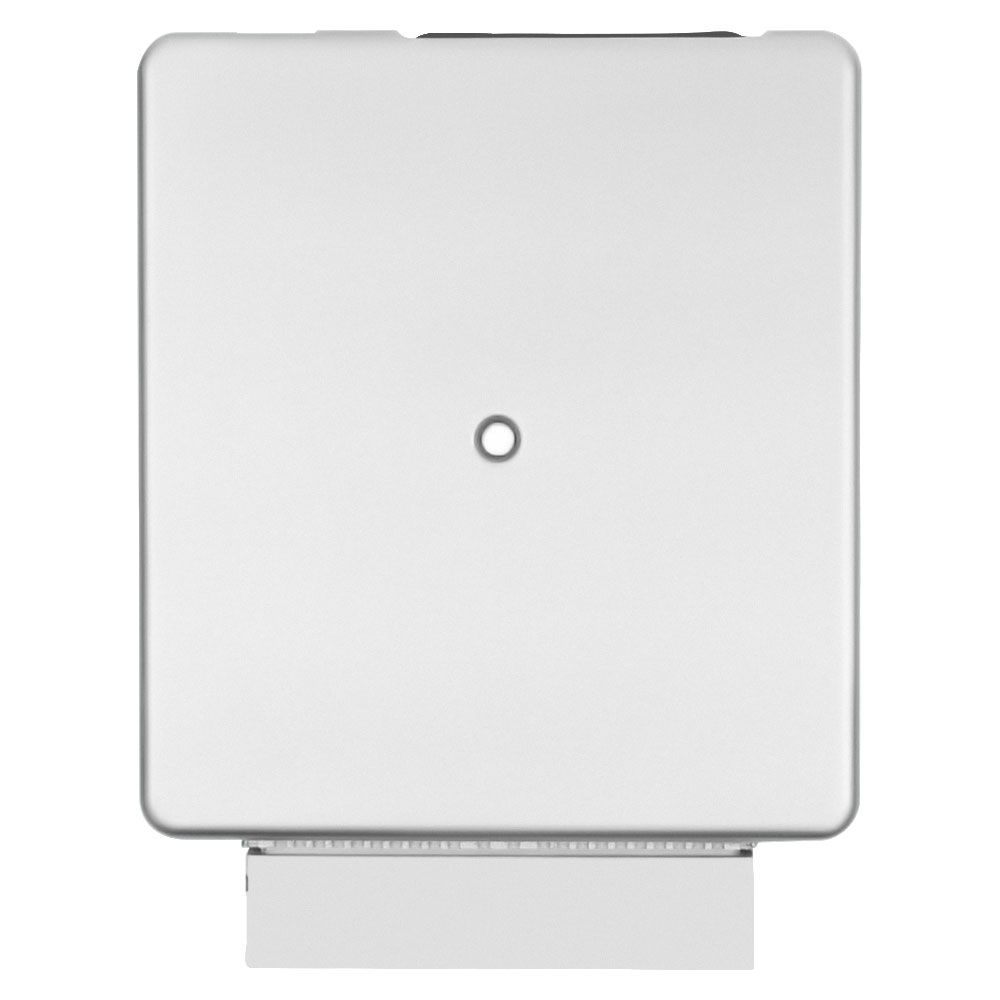
Flagship One stocks a refurbished, VIN-programmed PCM for the 1990 Ford Thunderbird with a lifetime warranty, free shipping and no core charge. The full Ford Thunderbird module lineup covers other engine configurations as well.
Replacing the ECM or PCM in a 1990 Ford Thunderbird can resolve drivability and speedometer issues. Evaluate your repair options and consider a Flagship One replacement to ensure reliable performance.