
Last updated on August 25th, 2026 at 01:40 pm
The Powertrain Control Module (PCM) in your 1992 Ford Ranger manages fuel delivery, ignition timing, and emissions systems. Failures may cause hard starts, stalling, or poor drivability, often due to internal corrosion or voltage spikes.
If your 1992 Ford Ranger 4.0L is struggling to start, stalling unexpectedly, or running poorly, the Powertrain Control Module (PCM) may be the culprit. This critical component acts as the brain of your vehicle’s engine and transmission, managing fuel, ignition, and emissions systems. When it fails, symptoms can range from subtle drivability issues to complete engine shutdown. Replacing the PCM involves straightforward labor but requires careful handling to avoid further complications. Understanding the process—from removal to installation and relearning—helps you make informed decisions about repairs and ensures your Ranger runs reliably.
In your 1992 Ford Ranger, the Powertrain Control Module (PCM) integrates engine and transmission control into a single unit. It processes inputs from sensors to adjust fuel injection, ignition timing, and idle speed, ensuring optimal performance and emissions compliance. A failing PCM may disrupt these functions, leading to poor fuel economy, rough idling, or even a no-start condition. Because this vehicle predates OBD-II, diagnostics rely on basic scan tool communication rather than standardized trouble codes. When replacement becomes necessary, choosing replacement engine computers for the Ranger ensures compatibility and restores proper engine management without guesswork.
1992 Ford Ranger 4.0L: When the
OEM programmed replacements — plug & play, no dealer visit.
Find yours by year, make & model →
Free shipping · Lifetime warranty
The PCM in your 1992 Ford Ranger is located inside the passenger compartment, typically mounted behind the dashboard near the glove box. Accessing it requires removing interior trim panels, which adds minimal complexity to the job. According to factory labor times, removing and reinstalling the module takes 0.6 hours. While the physical replacement is straightforward, proper connector seating is critical—loose connections may cause intermittent electrical faults. No special tools are required beyond basic hand tools, but care should be taken to avoid damaging wiring harnesses during removal.
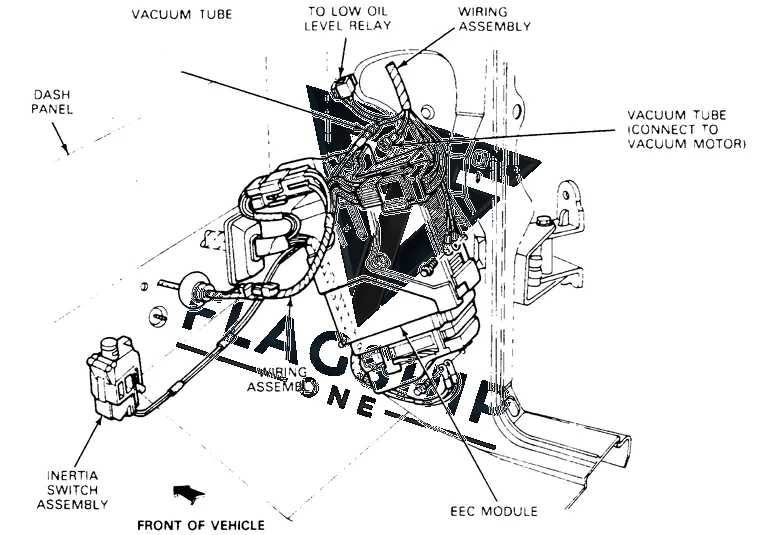
Work with the ignition off, and treat the module as static-sensitive: avoid touching the connector pins at any point.
| Operation | Configuration | Book Time |
|---|---|---|
| Powertrain Control Module R&R | All configurations | 0.6 hr |
| Powertrain Control Module Relearn | All configurations | 0.5 hr |
| Engine Control Module Relearn | All configurations | 0.5 hr |
| Engine Control Module R&R | All configurations | 0.6 hr |
After installing a new PCM in your 1992 Ford Ranger, the factory procedure requires a 0.5-hour relearn process to synchronize the module with the engine and transmission. This step ensures proper fuel delivery, ignition timing, and shift points. However, a VIN-programmed replacement unit from Flagship One arrives pre-configured for your vehicle, eliminating the need for additional programming. This saves time and reduces the risk of relearn errors, allowing you to complete the job efficiently and get your Ranger back on the road.
A failing PCM in your 1992 Ford Ranger may cause a variety of symptoms. Common issues include intermittent stalling, hard starting, or a complete no-crank condition. You might also notice erratic idle, poor acceleration, or transmission shifting problems. In some cases, the Malfunction Indicator Lamp (MIL) may illuminate, though this vehicle does not use standardized OBD-II codes. If the module loses communication with the scan tool, it may indicate internal failure. Addressing these symptoms promptly can prevent further drivability issues and avoid potential breakdowns.
Ford service bulletin #95-10-02 addresses issues with the Malfunction Indicator Lamp (MIL) illuminating in vehicles equipped with the Distributorless Ignition System (DIS). The bulletin highlights problems with the Ignition Control Module (ICM) connector retention clip and seal, which may cause wiring-related faults. Revisions to the connector and retention clip were introduced to improve reliability and prevent intermittent electrical issues.
| Bulletin | Subject | What It Addresses |
|---|---|---|
| 95-10-02 | “MALFUNCTION INDICATOR LAMP” (MIL) ILLUMINATED – DISTRIBUTORLESS IGNITION SYSTEM (DIS) ONLY – I | — |
Random stalling after PCM replacement may indicate an incomplete relearn procedure or a faulty connection. Ensure all wiring harnesses are securely seated and that the module is properly synchronized with the engine. If the issue persists, verify that the replacement unit is compatible with your vehicle’s specifications.
Driving with a failing PCM is not recommended, as it may cause unpredictable engine behavior, stalling, or even a no-start condition. Continued operation could lead to further damage to sensors or other components. Addressing the issue promptly ensures reliable performance and avoids potential breakdowns.
Common signs of a failing PCM include hard starting, stalling, erratic idle, or poor acceleration. If the vehicle fails to communicate with a scan tool, the module may be internally damaged. Testing voltage and ground connections can help confirm the diagnosis before replacement.
If your 1992 Ford Ranger is experiencing PCM-related issues, you have options for repair or replacement. While a refurbished unit can restore functionality, a new module ensures long-term reliability. Given the labor involved in replacement and relearning, choosing a pre-programmed unit simplifies the process and reduces downtime. Evaluate your needs based on the vehicle’s condition and your budget to make the best choice.
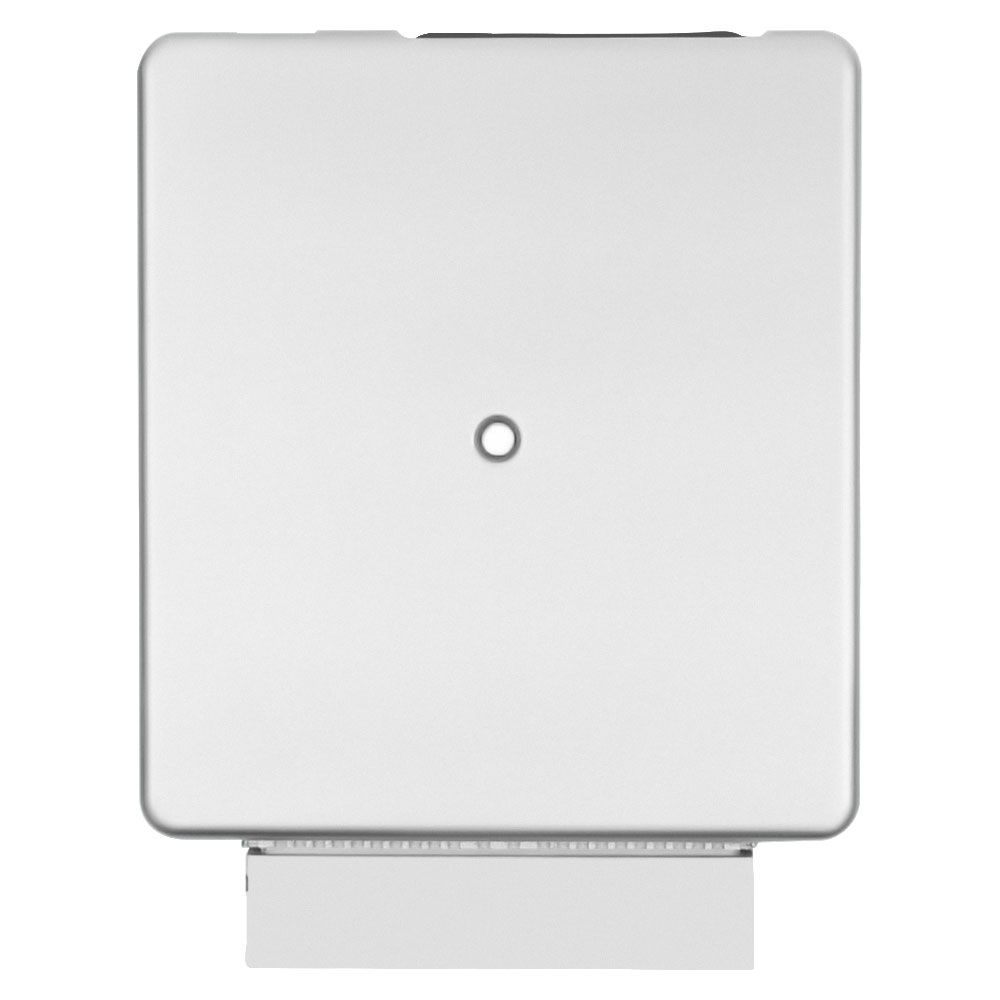
Flagship One stocks a refurbished, VIN-programmed PCM for the 1992 Ford Ranger with a lifetime warranty, free shipping and no core charge. The full Ford Ranger module lineup covers other engine configurations as well.
The 1992 Ford Ranger 4.0L relies on its PCM to manage critical engine and transmission functions. When symptoms of failure appear, timely replacement ensures your vehicle remains dependable. Whether you opt for a new or refurbished module, proper installation and programming are key to restoring performance. Keep your Ranger running smoothly with the right parts and procedures.