
Last updated on August 25th, 2026 at 01:15 pm
The powertrain control module (PCM) in your 1990 Ford Ranger 2.3L is the engine’s main computer. It manages fuel injection, ignition timing, and emissions controls. When it fails, the engine may not start, run poorly, or stall. Replacement requires 0.9 hours of labor plus a 0.5-hour relearn.
If your 1990 Ford Ranger with the 2.3L engine is acting up—maybe it cranks but won’t fire, or it stalls unpredictably—the powertrain control module (PCM) could be the culprit. This computer is the brain of the engine management system, and on a pre-OBD-II vehicle like this Ranger, it operates without the standardized diagnostic codes found on later models. That means troubleshooting often relies on symptoms and basic electrical checks rather than plugging in a code reader. In this guide, you’ll learn exactly what the PCM does in your 1990 Ranger, where it’s located, how replacement works, and what to expect in terms of labor time. We’ll also cover common failure signs and practical steps to protect the module from future issues. Whether you’re a DIY owner or working with a shop, understanding the PCM’s role and replacement process helps you make an informed decision about repairing or replacing this critical component.
The powertrain control module (PCM) in your 1990 Ford Ranger 2.3L is a sealed electronic unit that acts as the central controller for the engine. It receives input from sensors like the throttle position sensor, coolant temperature sensor, and oxygen sensor, then adjusts fuel injector pulse width, ignition timing, and idle speed accordingly. On this pre-OBD-II vehicle, the PCM also manages the feedback carburetor system (if equipped) or the multi-port fuel injection system, depending on the exact build. Because the 1990 Ranger does not use a separate transmission control module, the PCM also handles shift timing for the automatic transmission, if your truck has one. When the PCM fails, the engine loses its ability to self-correct, leading to rough running, poor fuel economy, or a complete no-start condition. The module is designed to last the life of the vehicle, but heat, vibration, and voltage spikes can degrade its internal components over time. If you need to replace it, you’ll be looking for replacement PCMs for the Ranger that match your specific engine calibration. Using the correct part is essential because the 2.3L calibration differs from the 2.9L or 4.0L versions, even though the physical connector may be the same.
1990 Ford Ranger 2.3L
OEM programmed ECM for your 1990 Ford Ranger 2.3L — plug & play, no dealer visit.
Free shipping · Lifetime warranty
The PCM on the 1990 Ford Ranger 2.3L is typically mounted inside the passenger compartment, behind the kick panel on the passenger side, near the base of the A-pillar. To access it, you remove the plastic trim panel and possibly a metal bracket. The module is held by a few bolts or screws, and the wiring harness connects with a single large multi-pin connector. According to factory labor times, replacing the PCM—whether you call it a powertrain control module or engine control module—takes 0.9 hours of book time for the 2.3L engine. That time includes removing the old unit, installing the new one, and reconnecting the harness. After installation, the factory procedure requires a 0.5-hour relearn process to allow the PCM to adapt to the vehicle’s specific sensors and components. The relearn typically involves a specific driving cycle or idle procedure. If you’re doing the work yourself, allow extra time for accessing the module and being careful with the connector pins.
| Operation | Configuration | Book Time |
|---|---|---|
| Powertrain Control Module R&R | 2.9L | 0.9 hr |
| Powertrain Control Module R&R | 2.3L | 0.9 hr |
| Powertrain Control Module R&R | 4.0L | 0.9 hr |
| Powertrain Control Module Relearn | All configurations | 0.5 hr |
| Engine Control Module Relearn | All configurations | 0.5 hr |
| Engine Control Module R&R | 2.3L | 0.9 hr |
| Engine Control Module R&R | 2.9L | 0.9 hr |
| Engine Control Module R&R | 4.0L | 0.9 hr |
After installing a new PCM in your 1990 Ford Ranger 2.3L, the factory procedure requires a relearn process that takes 0.5 hours of labor. This step involves starting the engine and letting it idle until the PCM learns the idle air control position and fuel trim values. Some procedures also include a specific driving cycle to complete the adaptation. However, when you choose a VIN-programmed replacement unit from Flagship One, that relearn step is already handled. The module arrives with your vehicle’s VIN and original calibration data loaded, so it is ready to run as soon as you install it and connect the battery. This saves you the 0.5-hour labor charge and the hassle of following a multi-step relearn procedure. Simply plug it in, verify that the engine starts and runs smoothly, and you’re done. No scan tool or dealer visit is required for the initial setup.
A failing PCM in a 1990 Ford Ranger 2.3L can produce a range of symptoms that may be mistaken for other issues. The most common sign is a no-start condition where the engine cranks but never fires, because the PCM is not sending injector pulse or spark timing signals. Intermittent stalling, especially when the engine is hot or under load, is another frequent complaint. You might also notice hard starting, where the engine cranks for a long time before catching, or erratic idle that hunts up and down. Fuel economy may drop noticeably as the PCM loses its ability to maintain the correct air-fuel ratio. On the electrical side, the check engine light may illuminate but without a standardized code (since this is a pre-OBD-II vehicle), you’ll need a breakout box or a dealer-level scan tool to read the module’s internal faults. Other clues include a dead scan tool communication when trying to connect to the PCM, or the engine running in a limp-home mode with reduced power. If you experience any of these issues, testing the PCM’s power and ground circuits is a good first step before condemning the module.
Common signs include a no-start condition, intermittent stalling, hard starting, poor fuel economy, and a check engine light that stays on. You can also test for power and ground at the PCM connector. If the engine has spark and fuel but no injector pulse, the PCM may be at fault.
Yes, the PCM is accessible behind the passenger-side kick panel. The job involves removing the trim, unbolting the module, and disconnecting the harness. Book time is 0.9 hours. After installation, a 0.5-hour relearn is normally required, but a pre-programmed unit from Flagship One eliminates that step.
On this vehicle, the terms are used interchangeably. Ford called it the powertrain control module (PCM) because it also controls the transmission. Some service manuals refer to it as the engine control module (ECM). Both refer to the same computer.
No, the PCM calibration is specific to the engine size and emissions configuration. Using a 2.9L PCM on a 2.3L engine will cause incorrect fuel and spark timing, leading to poor performance or no-start. Always use a PCM that matches your vehicle’s engine and VIN.
PCMs are designed to last the life of the vehicle, but heat, vibration, and electrical surges can cause failure. Many original modules from 1990 are still working, but age-related capacitor failure is becoming more common. Replacement is often the best option when internal components degrade.
When your 1990 Ford Ranger 2.3L needs a new PCM, you have two main options: repair the original module or replace it with a refurbished unit. Repair may be possible if the failure is limited to a specific component like a capacitor or driver, but it is often more cost-effective to install a tested, pre-programmed replacement. Flagship One offers refurbished PCMs that are programmed with your VIN and calibration data, so the 0.5-hour factory relearn is already complete. This gets your Ranger back on the road faster and with less labor cost.
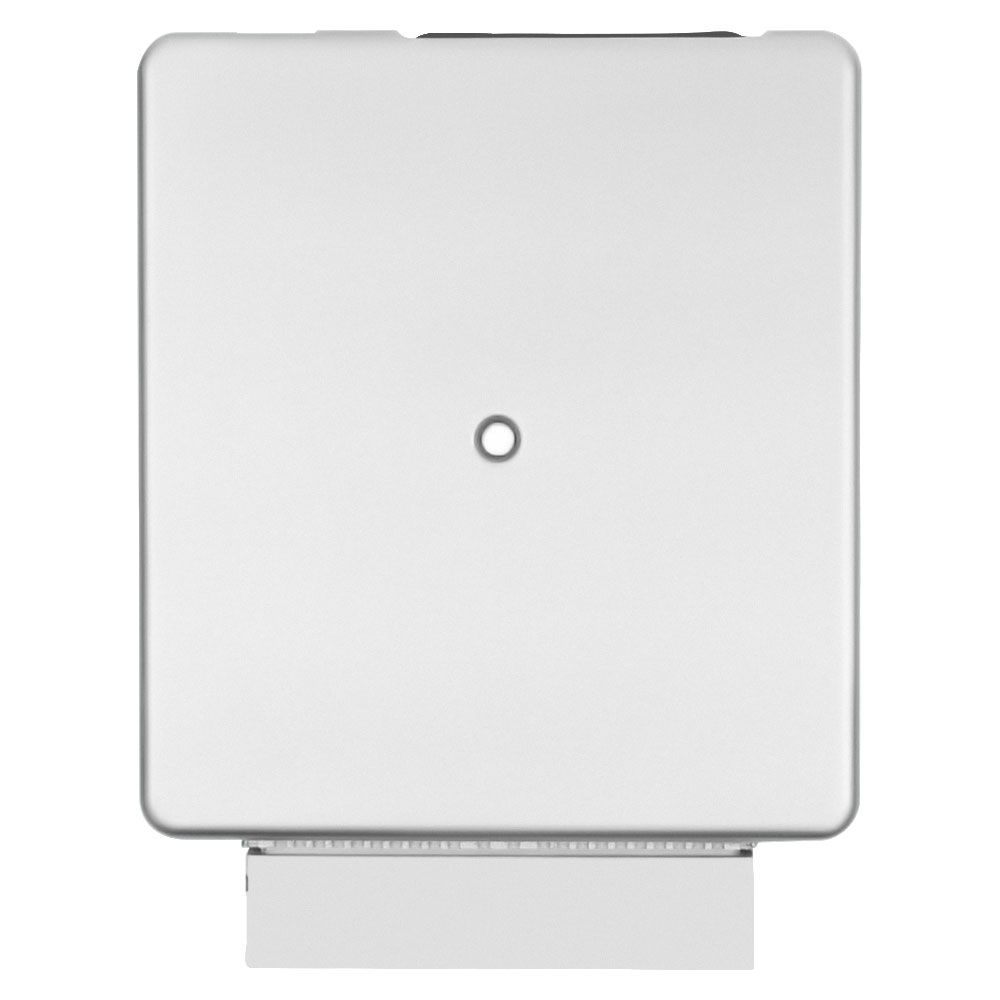
Flagship One stocks a refurbished, VIN-programmed PCM for the 1990 Ford Ranger with a lifetime warranty, free shipping and no core charge. The full Ford Ranger module lineup covers other engine configurations as well.
The PCM in your 1990 Ford Ranger 2.3L is a vital component that controls engine and transmission operation. Recognizing the symptoms of failure—no-start, stalling, poor running—and understanding the replacement process helps you make a confident repair decision. With a pre-programmed unit from Flagship One, you avoid the factory relearn procedure and get a drop-in solution that restores your truck’s drivability.