
Last updated on August 25th, 2026 at 02:31 pm
The powertrain control module (PCM) in your 1992 Chevrolet Lumina manages engine and transmission functions. Failures may cause erratic idling, stalling, or a complete no-start condition by disrupting fuel delivery, ignition timing, or sensor feedback.
If your 1992 Chevrolet Lumina is experiencing unexplained stalling, rough idling, or a refusal to start, the powertrain control module (PCM) may be the culprit. This critical component acts as the brain of your vehicle’s engine and transmission, coordinating fuel delivery, ignition timing, and sensor inputs. When it fails, symptoms can range from subtle performance issues to complete immobilization. Understanding the PCM’s role, location, and replacement process helps you make informed decisions about repairs. With the right precautions and a properly programmed replacement, you can restore reliable operation without unnecessary delays.
The powertrain control module (PCM) in your 1992 Chevrolet Lumina integrates engine and transmission control into a single unit. It processes data from sensors to adjust fuel injection, ignition timing, and shift points, ensuring optimal performance and efficiency. A faulty PCM may disrupt these functions, leading to poor drivability or a no-start condition. Since this vehicle predates OBD-II, diagnosing issues requires careful attention to symptoms rather than relying on standardized trouble codes. When replacement becomes necessary, replacement PCMs for the Lumina are available to restore proper operation without extensive reprogramming hassles.
1992 Chevrolet Lumina
OEM programmed replacements — plug & play, no dealer visit.
Find yours by year, make & model →
Free shipping · Lifetime warranty
In your 1992 Chevrolet Lumina, the PCM is mounted inside the passenger compartment, tucked under the instrument panel. Accessing it involves removing interior trim panels to reach the module’s connector and mounting bolts. Replacement labor typically ranges from 0.5 to 1.0 hours, depending on whether you’re servicing the engine control module (ECM) or the powertrain control module (PCM). Always ensure the ignition is off before disconnecting power to prevent permanent damage. No special torque specifications are required, but securing the module and connector properly is essential for reliable operation.
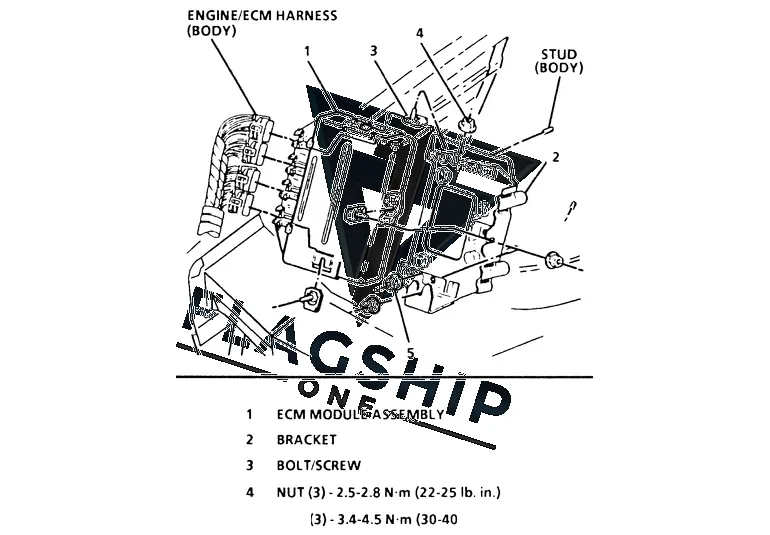
Work with the ignition off, and treat the module as static-sensitive: avoid touching the connector pins at any point.
| Operation | Configuration | Book Time |
|---|---|---|
| Engine Control Module R&R | All configurations | 1.0 hr |
| Engine Control Module Relearn | All configurations | 0.5 hr |
| Powertrain Control Module R&R | All configurations | 0.5 hr |
| Powertrain Control Module Relearn | All configurations | 0.5 hr |
After installing a new PCM in your 1992 Chevrolet Lumina, the factory procedure requires a relearn process to synchronize the module with the vehicle’s systems. This typically takes 0.5 hours of labor and ensures proper communication between the PCM and sensors. However, a VIN-programmed replacement unit arrives pre-configured for your vehicle, eliminating the need for this additional step. This saves time and reduces the risk of incomplete initialization, allowing you to get back on the road faster with confidence in the repair.
A failing PCM in your 1992 Chevrolet Lumina may cause a variety of symptoms, including intermittent stalling, rough idling, or a complete no-start condition. You might also notice poor acceleration, erratic shifting, or the engine running too rich or too lean. In some cases, the vehicle may crank but fail to start due to disrupted fuel or ignition signals. While this pre-OBD-II model doesn’t generate standardized codes, a common internal fault like memory checksum error could indicate module degradation. If your scan tool fails to communicate with the PCM, that’s another strong sign of failure.
Intermittent stalling in your Lumina may be caused by a failing PCM disrupting fuel or ignition signals. Other potential culprits include a faulty ignition control module, fuel pump, or sensor issues. Diagnosing the PCM’s health often requires testing its ability to maintain consistent communication with engine components.
Replacing the PCM in your 1992 Chevrolet Lumina is possible if you’re comfortable working with vehicle electronics. The module is located under the instrument panel, requiring removal of interior trim for access. Always disconnect the battery and ensure the ignition is off before handling the module to avoid damage.
Common signs of a bad PCM include a no-start condition, erratic idling, or poor acceleration. If your scan tool fails to communicate with the module, that’s a strong indicator of failure. Since this vehicle lacks OBD-II, focus on symptoms rather than standardized codes when diagnosing.
If your 1992 Chevrolet Lumina is showing signs of PCM failure, you have options. A repair may address minor issues, but a refurbished replacement ensures long-term reliability. Given the labor involved in accessing and programming the module, choosing a VIN-programmed unit can save time and reduce the risk of incomplete initialization. Evaluate your needs based on the vehicle’s condition and your budget.
Flagship One stocks a refurbished, VIN-programmed PCM for the 1992 Chevrolet Lumina Car with a lifetime warranty, free shipping and no core charge. The full Chevrolet Lumina Car module lineup covers other engine configurations as well.
The PCM in your 1992 Chevrolet Lumina plays a critical role in engine and transmission performance. If you’re experiencing drivability issues, addressing the module promptly can restore reliable operation. Whether you opt for a repair or a replacement, understanding the process helps you make an informed decision. Keep your Lumina running smoothly with the right approach to PCM service.