
Last updated on August 25th, 2026 at 02:30 pm
The Powertrain Control Module (PCM) in your 1995 Chevrolet Lumina is the central computer managing engine operation, transmission shifting, and fuel delivery. When this unit fails, your vehicle may experience starting issues, erratic idle, or transmission malfunctions.
If your 1995 Chevrolet Lumina is running poorly, stalling unexpectedly, or refusing to start, the Powertrain Control Module may be the culprit. This comprehensive guide explains what the PCM does in your Lumina, where it is located, common failure symptoms, and what the replacement process involves. Whether you are diagnosing a no-start condition or planning a repair, understanding the module and its replacement requirements helps you make informed decisions about servicing your vehicle.
The Powertrain Control Module in your 1995 Chevrolet Lumina serves as the brain of the engine management system. It monitors inputs from various sensors throughout the powertrain and adjusts fuel delivery, ignition timing, and transmission shift points to keep the 3.1L V6 running smoothly. Unlike later OBD-II vehicles, this pre-OBD-II computer handles both engine and transmission control in a single unit. When the internal circuitry of this replacement engine computers for the Lumina deteriorates from heat, voltage spikes, or age, the module may lose its programming or fail to process sensor data correctly, leading to drivability problems that often mimic other component failures.
1995 Chevrolet Lumina
OEM programmed replacements — plug & play, no dealer visit.
Find yours by year, make & model →
Free shipping · Lifetime warranty
For the 1995 Chevrolet Lumina, the PCM is mounted inside the passenger compartment beneath the instrument panel on the driver side, a location that differs from most GM vehicles of this era which typically house the module in the engine compartment. This interior placement actually provides some protection from engine bay heat but can still suffer from moisture intrusion through the HVAC system or loose ground connections. Replacement involves removing the instrument panel lower trim, accessing the module mounting bracket, disconnecting the electrical harness, and installing the new unit. Book time for Engine Control Module R&R is 1.1 hours, with an additional 0.5 hour for the relearn procedure after installation.
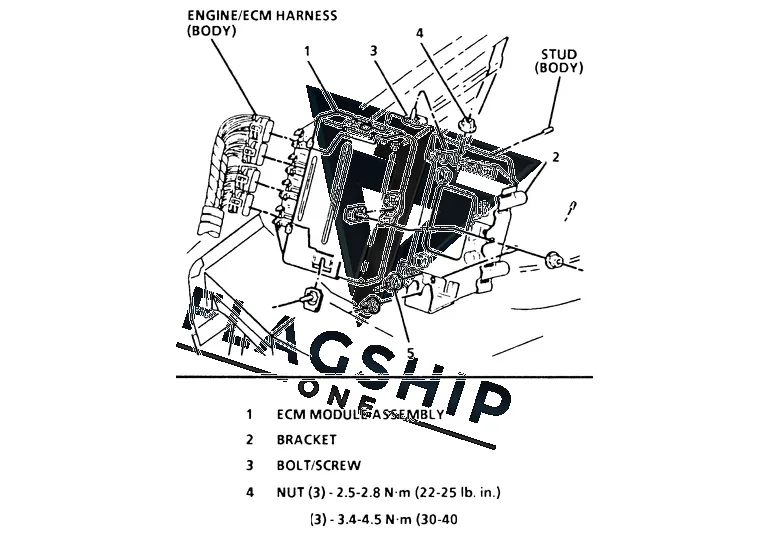
Work with the ignition off, and treat the module as static-sensitive: avoid touching the connector pins at any point.
| Operation | Configuration | Book Time |
|---|---|---|
| Powertrain Control Module Relearn | All configurations | 0.5 hr |
| Engine Control Module R&R | All configurations | 1.1 hr |
| Engine Control Module Relearn | All configurations | 0.5 hr |
After installing a replacement PCM in your 1995 Chevrolet Lumina, the factory procedure requires performing a relearn procedure to allow the new module to adapt to your vehicle’s specific engine characteristics. This relearn process syncs the PCM with the powertrain sensors and establishes proper fuel trim values. The Powertrain Control Module Relearn procedure takes approximately 0.5 hours of labor. Flagship One units arrive as a VIN-programmed replacement unit that is pre-configured with your specific vehicle identification number, meaning the essential programming steps are completed before the module reaches you, saving considerable time at installation.
When the PCM fails on your 1995 Chevrolet Lumina, you may encounter a no-start condition where the engine cranks but will not run, or the vehicle may start and then stall unexpectedly. Common indicators include erratic idle speed, hesitation during acceleration, and transmission shifting problems such as harsh shifts or failure to shift into gear. The check engine light may illuminate, though on this pre-OBD-II vehicle the warning systems are limited. A failed module may also prevent scan tool communication, leaving technicians unable to retrieve diagnostic information. These symptoms often lead to confusion during diagnosis since they can mimic failing sensors, fuel pump issues, or ignition component problems.
Common signs include no-start conditions, intermittent stalling, rough idle, transmission shifting problems, and loss of scan tool communication. Since this is a pre-OBD-II vehicle, the check engine light may not function as reliably as in later models, making thorough diagnosis important.
Replacement is straightforward for those with basic mechanical skills, requiring removal of the lower instrument panel trim. However, you will need a replacement unit that is programmed with your specific VIN, and the relearn procedure may require GM-specific diagnostic equipment to complete properly.
An unprogrammed PCM will not communicate with your vehicle’s specific engine and transmission components, resulting in no-start conditions or severe drivability issues. Always obtain a unit pre-programmed with your VIN or have it programmed by a dealer or qualified technician.
When your 1995 Chevrolet Lumina requires a new PCM, you have two primary options: purchasing a new or refurbished unit from a dealer at significantly higher cost, or choosing a quality replacement from Flagship One that arrives VIN-programmed and ready to install. Given the 1.1 hour R&R labor time plus 0.5 hour relearn procedure, having a pre-programmed unit eliminates the need for additional dealer visits and programming fees. Consider your budget, timeline, and warranty preferences when making this decision for your vehicle.
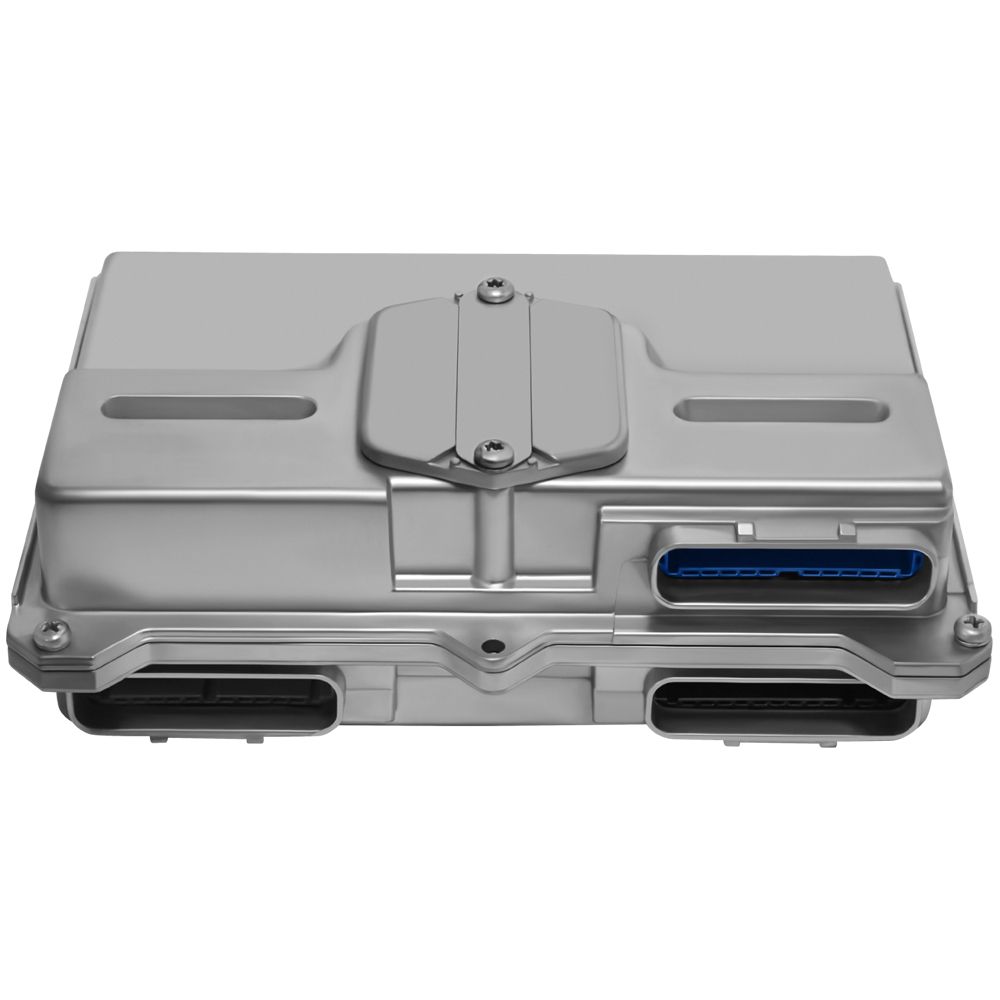
Flagship One stocks a refurbished, VIN-programmed PCM for the 1995 Chevrolet Lumina Car with a lifetime warranty, free shipping and no core charge. The full Chevrolet Lumina Car module lineup covers other engine configurations as well.
The 1995 Chevrolet Lumina relies on its Powertrain Control Module to manage engine and transmission functions, and when this computer fails, the vehicle exhibits multiple drivability symptoms that can be confusing during diagnosis. Understanding the interior module location, the relearn requirement after replacement, and the importance of VIN programming helps you approach this repair with confidence. Whether you choose dealer parts or a quality replacement from Flagship One, ensuring the module is properly programmed to your specific vehicle is essential for a successful repair.