Your 2001 Toyota Corolla may experience stalling or no-start conditions due to ECU failure. Verify wiring before swapping units. Proper programming ensures reliable engine operation and prevents communication errors with scan tools.
Post
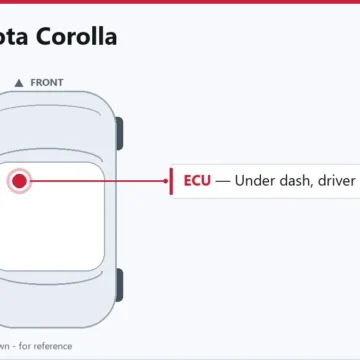

Your 2001 Toyota Corolla may experience stalling or no-start conditions due to ECU failure. Verify wiring before swapping units. Proper programming ensures reliable engine operation and prevents communication errors with scan tools.
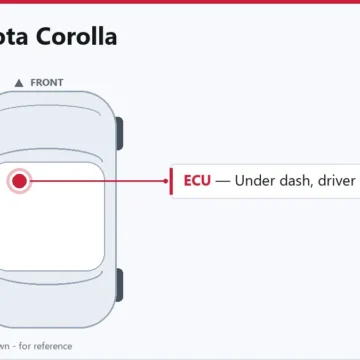
2000 Toyota Corolla engine computer failure may cause stalling or scan errors. Verify diagnosis before installing to avoid unnecessary replacement and ensure reliable operation.
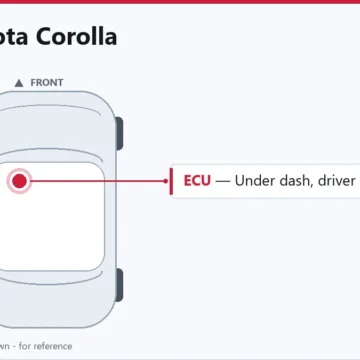
A failing 1999 Toyota Corolla engine computer may cause hard starting or sudden stalling. Addressing symptoms early typically prevents roadside breakdowns and expensive towing.
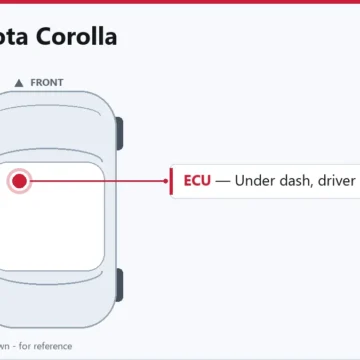
1998 Toyota Corolla stalling or no-start may indicate ECM failure; proper diagnosis avoids unnecessary replacement and restores reliable operation.
If your 1997 Toyota Corolla stalls or won't start, the PCM may have failed. Learn about replacement risks and how to restore engine performance.
If your 1996 Toyota Corolla 1.6L has no-start, stalling, or check engine light, the ECM may need replacement. Ensure proper programming to avoid issues.
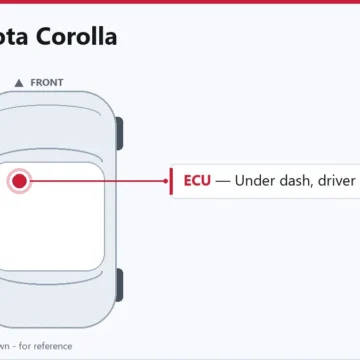
1995 Toyota Corolla stalling or no-start? Learn how the engine control module works, where it’s located, and why a VIN-programmed replacement may save you time and hassle.
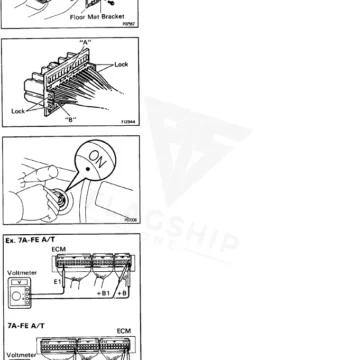
Learn about 1994 Corolla ECM replacement costs, symptoms of failure, and why VIN-programmed units save factory relearn time at installation.
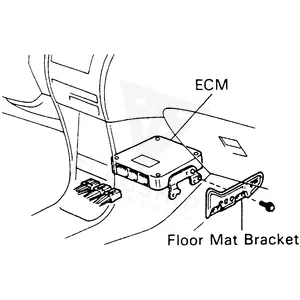
1991 Toyota Corolla stalling or no-start? Learn ECM failure symptoms, replacement steps, and why a pre-programmed unit saves time and avoids relearn hassles.
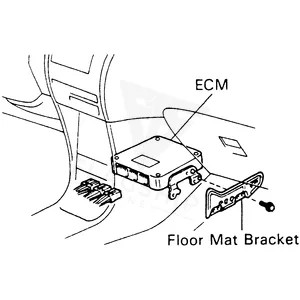
If a 1990 Toyota Corolla shows no‑start or erratic shifting, wait 90 seconds after locking the ignition and disconnecting the battery, then follow the relearn steps to restore engine and powertrain control modules for reliable operation.