
Last updated on August 25th, 2026 at 12:06 pm
The engine control module in a 1997 Toyota Corolla manages fuel delivery and ignition timing to ensure efficient operation. Internal circuit failure or electrical shorts often lead to erratic idling, poor fuel economy, or a complete loss of engine power, requiring a module replacement.
When a 1997 Toyota Corolla begins exhibiting unpredictable engine behavior, the root cause often traces back to the electronic brain of the vehicle. The Engine Control Module (ECM) or Powertrain Control Module (PCM) acts as the central hub, processing data from various sensors to maintain optimal combustion and emissions. Dealing with an intermittent failure can be frustrating, as the symptoms may appear and disappear without a clear pattern. Understanding how this hardware operates and how to replace it effectively is the first step toward regaining vehicle reliability. In this guide, you will find a detailed breakdown of the module’s function, where it resides within the cabin, and the labor involved in swapping it for a functional unit. By the end of this overview, you should have a clear understanding of why your vehicle may be malfunctioning and what the professional replacement process entails. This knowledge ensures you can make an informed decision about the necessary repairs for your 1997 Toyota Corolla and avoid unnecessary downtime.
1997 Toyota Corolla
OEM programmed ECM for your 1997 Toyota Corolla — plug & play, no dealer visit.
Free shipping · Lifetime warranty
The engine control module in a 1997 Toyota Corolla serves as the primary processor for the vehicle’s powertrain. It constantly monitors inputs from the crankshaft position sensor, oxygen sensors, and throttle position sensors to calculate the exact amount of fuel and the precise spark timing required for each cylinder. This complex set of calculations happens thousands of times per minute to ensure the engine runs smoothly across various RPM ranges and load conditions. Because this component manages the critical intersection of air, fuel, and spark, any internal failure can lead to catastrophic performance drops or a vehicle that refuses to start.
Maintaining the integrity of these electronics is vital for the longevity of the 1.6L engine. When searching for replacement Corolla engine computers, you will find that these units are designed to handle the specific heat and vibration profiles of the vehicle. If the internal capacitors leak or the solder joints crack due to age, the module may send incorrect signals to the fuel injectors or ignition coils. This often results in a limp home mode or a total loss of communication with the onboard diagnostic system. Because the module is the primary decision-maker for the powertrain, its health directly impacts fuel efficiency and the overall driveability of your 1997 Toyota Corolla. Without a functioning ECU, the mechanical components of the engine cannot operate in synchronization.
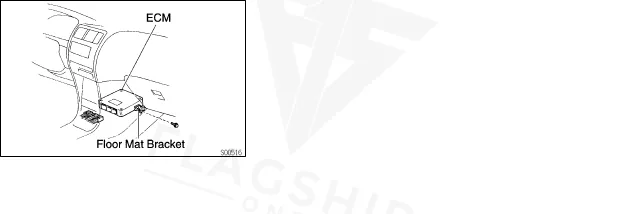
According to the factory wiring guide, the engine ECU for the 1997 Toyota Corolla is situated inside the instrument panel. Accessing this area requires removing the interior trim to reach the module’s mounting points and electrical connectors. The labor involved in the removal and replacement of an Engine Control Module is typically 1.1 hours. If the service involves the Powertrain Control Module, the book time for removal and replacement is 1.3 hours. Because the unit is located within the cabin, it is generally protected from the direct moisture and extreme heat found in the engine bay, but it remains susceptible to electrical surges or interior spills. When installing a replacement, it is important to ensure the connectors are seated firmly to avoid intermittent signal loss.
| Operation | Configuration | Book Time |
|---|---|---|
| Engine Control Module Relearn | All configurations | 0.5 hr |
| Engine Control Module R&R | All configurations | 1.1 hr |
| Powertrain Control Module R&R | All configurations | 1.3 hr |
| Powertrain Control Module Relearn | All configurations | 0.5 hr |
After a new module is installed in a 1997 Toyota Corolla, the factory service manual typically requires a relearn procedure to synchronize the electronics with the engine’s current state. This process is designed to calibrate the fuel and idle parameters, and the book time for this relearn is 0.5 hours for both the Engine Control Module and the Powertrain Control Module. However, the complexity of this step is removed when you use a VIN-programmed replacement unit from Flagship One. Our modules arrive pre-configured with the necessary vehicle-specific data, meaning the time-consuming programming and calibration steps are already completed. This allows you to install the unit and return your vehicle to the road without needing specialized dealership diagnostic equipment to perform the initial setup. This streamlined approach minimizes the risk of software mismatches and ensures the engine recognizes the new hardware immediately upon ignition.
Identifying a failing control module in a 1997 Toyota Corolla can be challenging because the symptoms often mimic other sensor failures. One of the most common signs is a complete no-start condition where the engine cranks but fails to ignite because the PCM is not triggering the fuel pump or spark plugs. You may also notice a sudden, unexplained stalling while idling or during deceleration, which often points to an internal processor fault.
In some cases, the vehicle may experience erratic shifting if the PCM is managing transmission parameters, or you might notice a significant drop in fuel economy as the module fails to optimize the air-fuel mixture. Misfires that do not respond to new spark plugs or ignition coils are another red flag, as the module may be sending inconsistent timing signals. Furthermore, if you attempt to connect a scan tool and find that there is no communication with the ECU, it is highly probable that the module has suffered a total internal failure. These issues often occur without warning, but they consistently disrupt the harmony of the 1.6L engine’s operation. Because the ECU manages so many variables, a failing unit can cause a cascade of false sensor readings, making the vehicle feel unstable or unresponsive during acceleration.
The engine ECU is positioned within the instrument panel. This placement protects it from engine bay heat but requires interior disassembly for access.
The book time for Powertrain Control Module removal and replacement is 1.3 hours. Engine Control Module replacement is listed at 1.1 hours.
Yes, the factory procedure typically allocates 0.5 hours for a relearn. However, Flagship One provides pre-programmed units to eliminate this step.
Yes, a malfunctioning module may fail to maintain the correct idle speed or fuel mixture, which often leads to unexpected stalling.
If the no-start is caused by a failure in the PCM’s ability to trigger ignition or fuel, a replacement unit may resolve the issue.
When deciding how to address a failed module in your 1997 Toyota Corolla, you have a choice between seeking a refurbished unit or a full replacement. While some choose to repair existing boards, a professional replacement ensures the internal components are stable and the programming is accurate. Choosing a unit tailored to the 1.6L engine ensures that the vehicle’s timing and fuel maps are correctly applied, restoring the original factory performance and reliability.
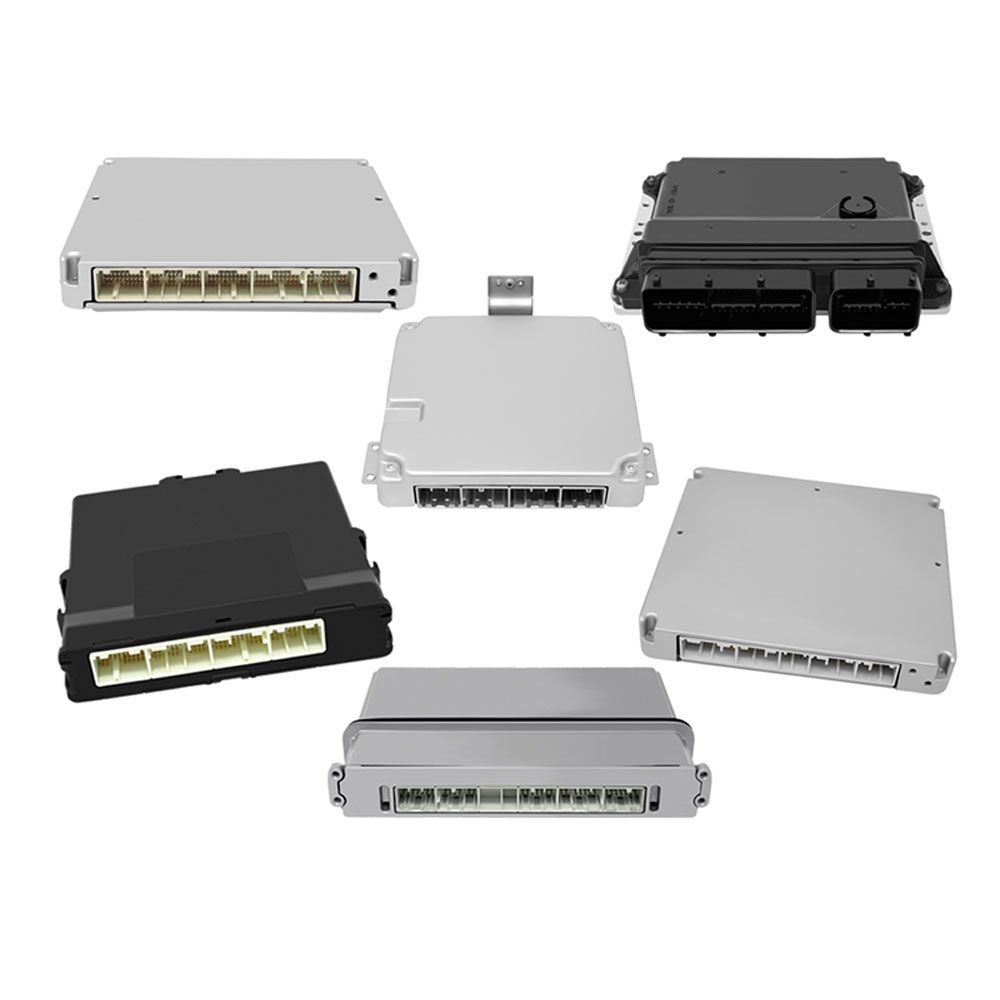
Flagship One stocks a refurbished, VIN-programmed PCM for the 1997 Toyota Corolla with a lifetime warranty, free shipping and no core charge. The full Toyota Corolla module lineup covers other engine configurations as well.
Maintaining the electronic health of your 1997 Toyota Corolla is essential for long-term reliability. Whether you are dealing with a sudden no-start or gradual performance loss, the engine control module is often the culprit. By understanding the installation process and the importance of correct programming, you can effectively restore your vehicle. For a reliable solution, consider the pre-programmed options available for your specific model.